


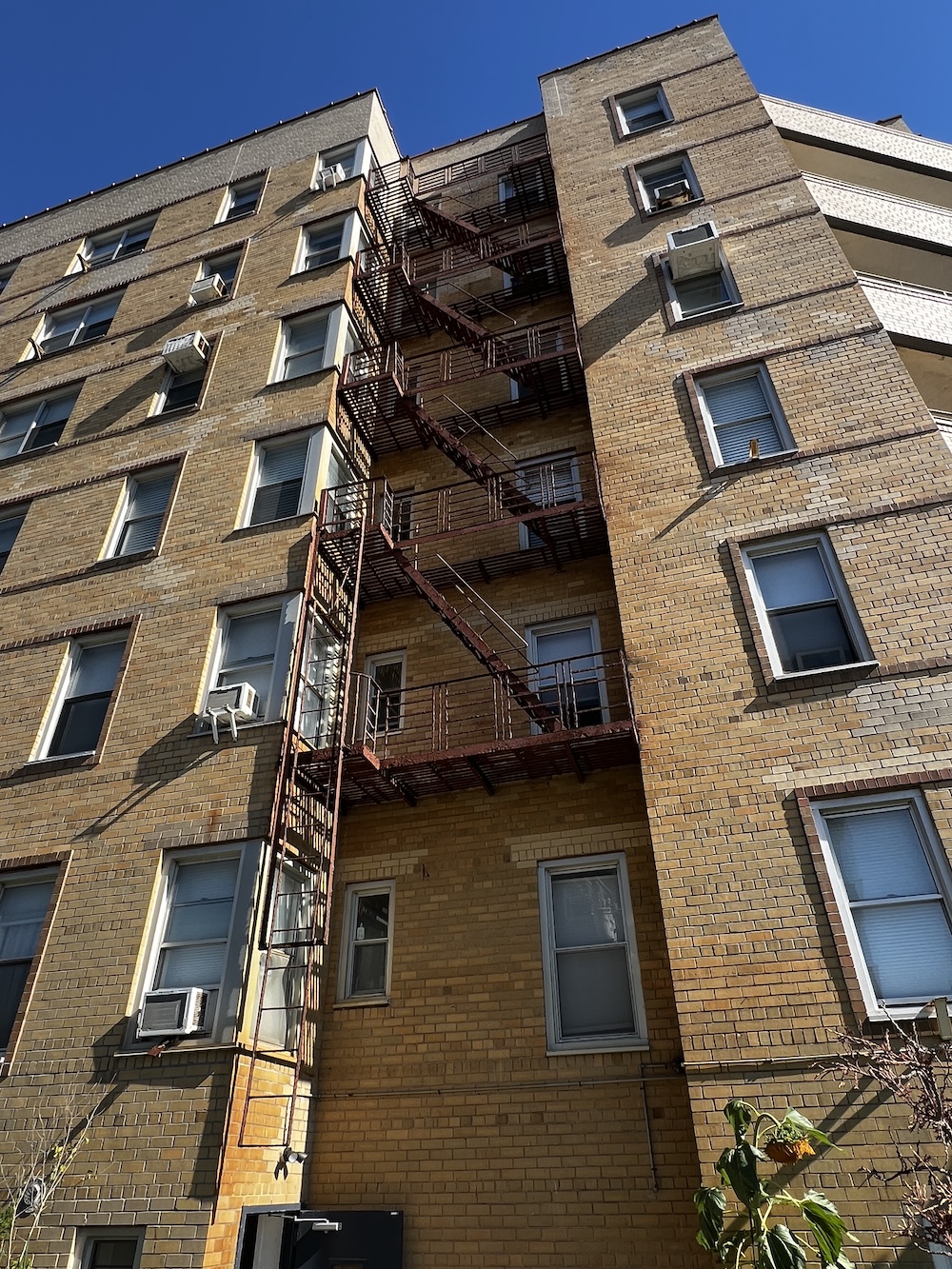
Thank you for allowing us to perform an initial evaluation of your fire escape system. At this stage, our assessment was conducted either entirely from the ground or during a brief, complimentary site visit. In such cases, our inspection is limited in scope and relies heavily on binoculars, zoom lenses, and visual clues from accessible vantage points.
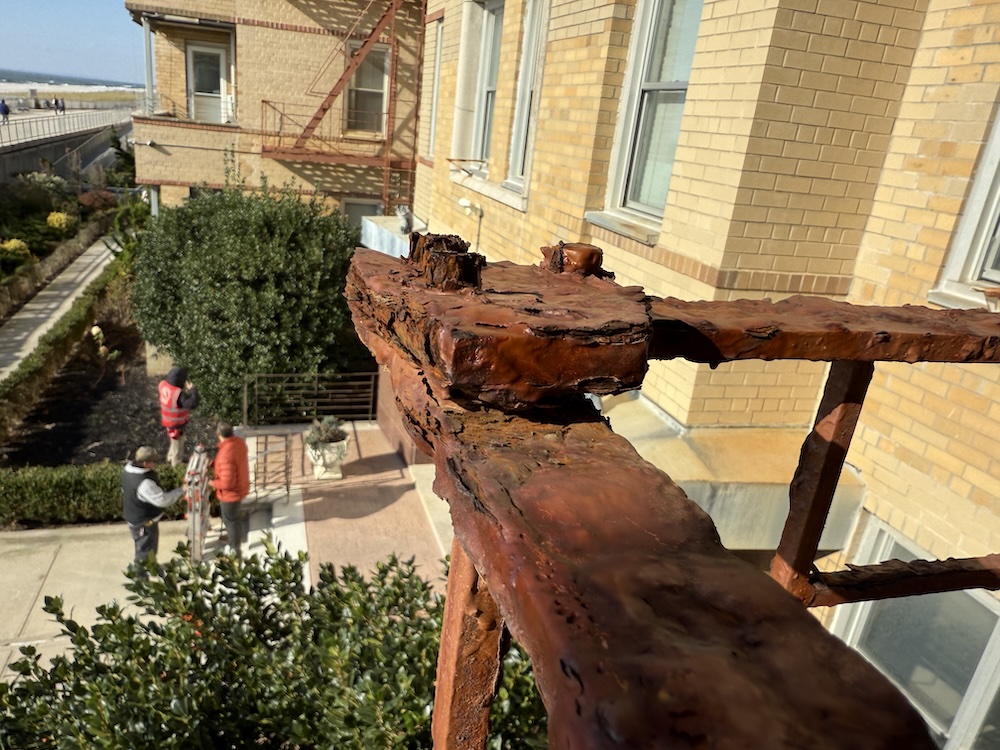
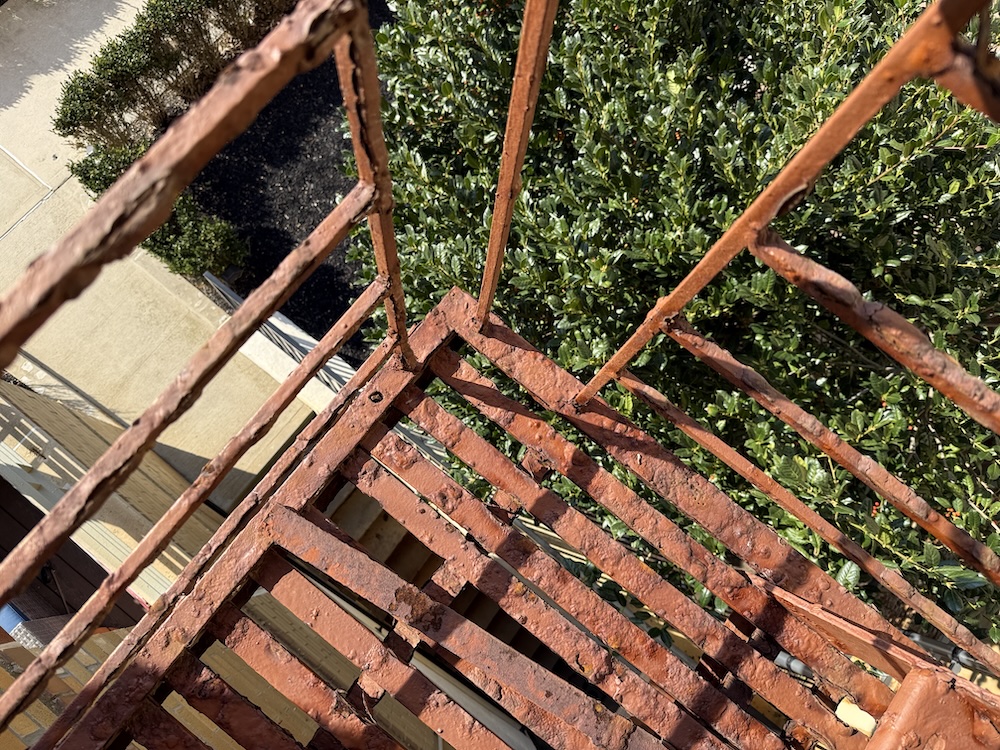
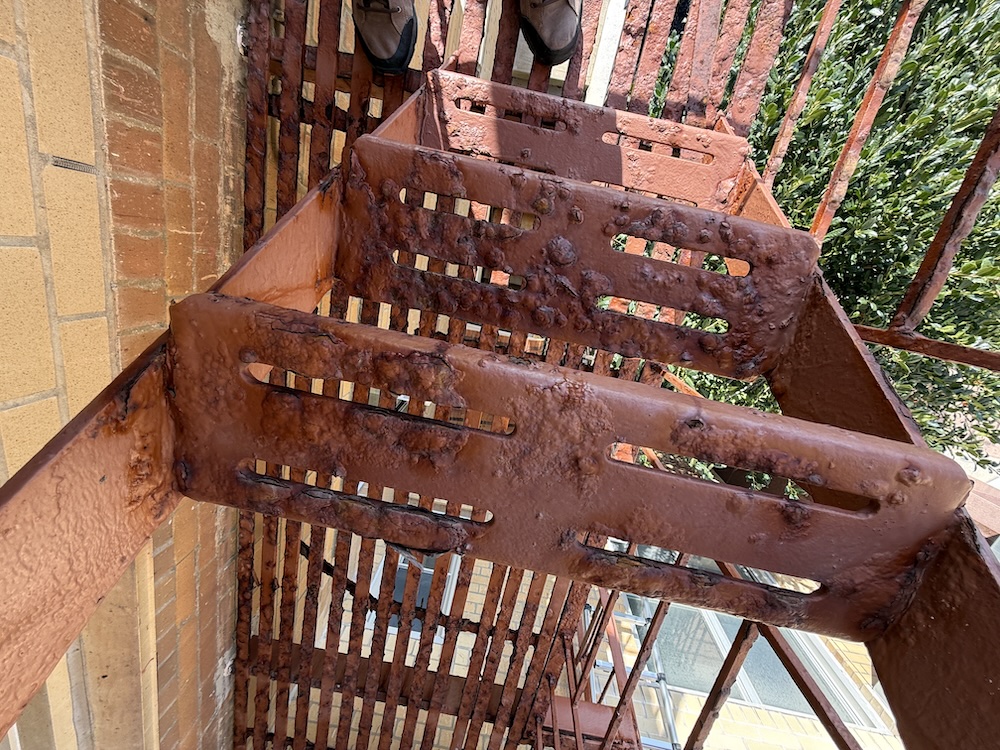
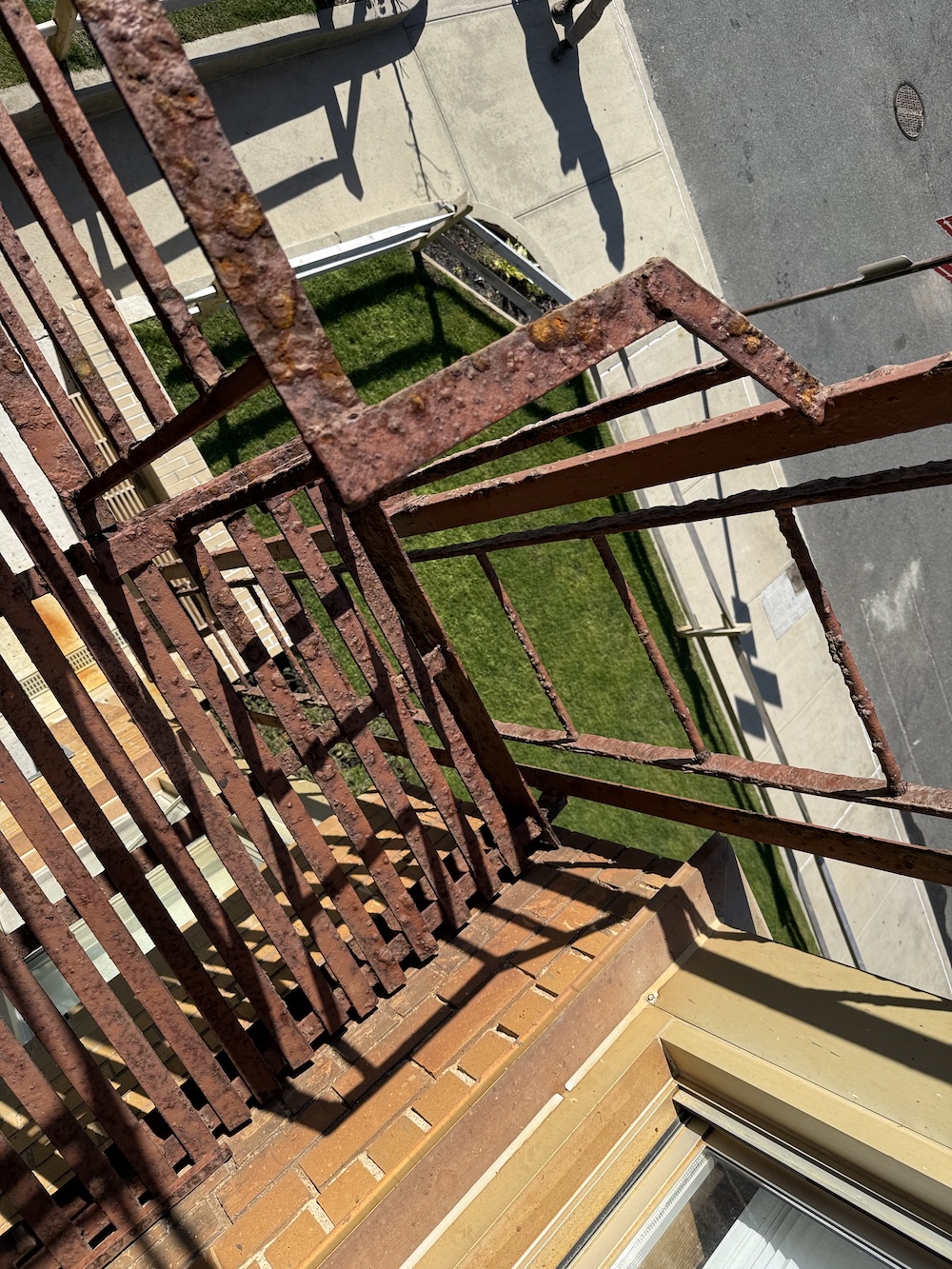
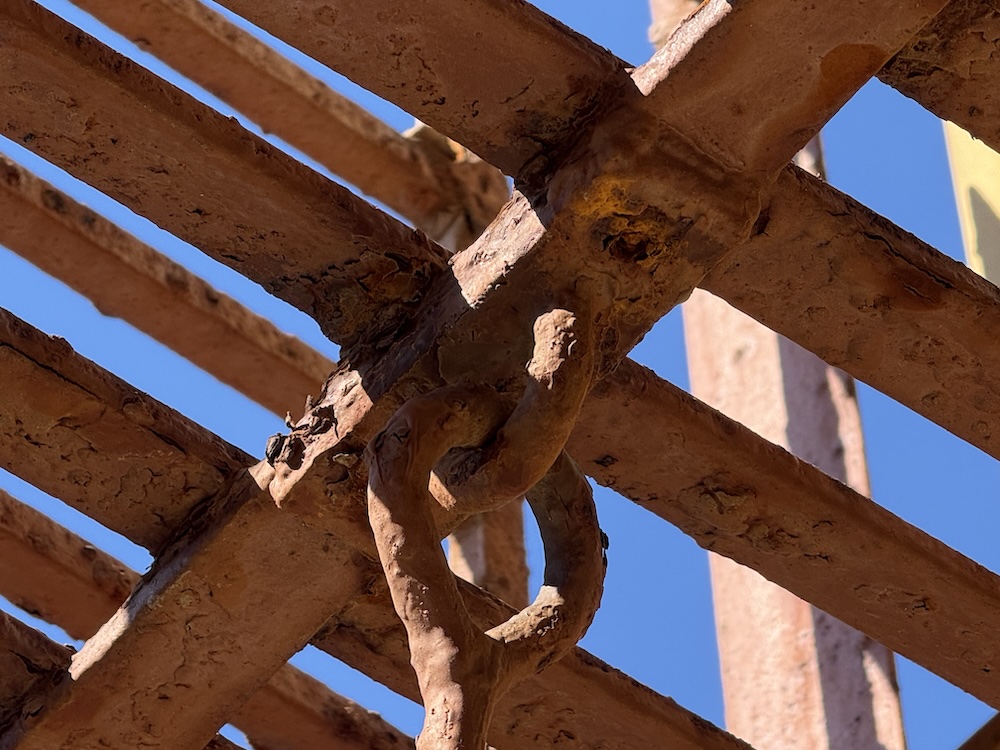
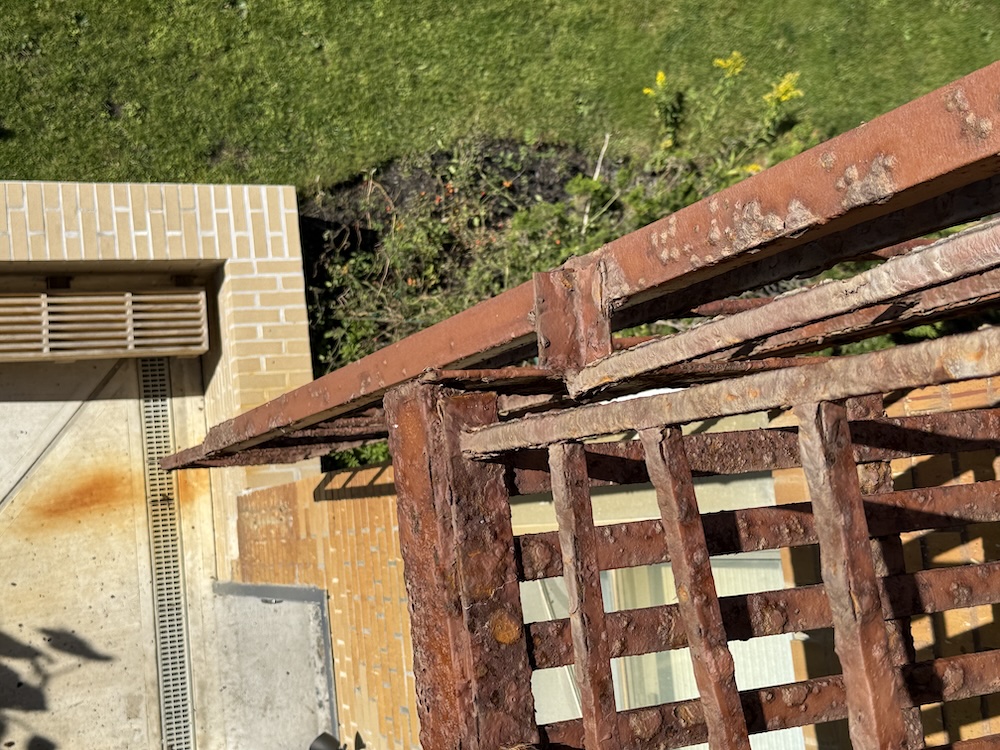
Because most structural issues—especially corrosion—occur at the top of connections or behind face-mounted hardware, ground-level evaluations often cannot confirm the condition of these critical areas. This type of assessment is classified as a "Pre-Load Test Evaluation," which means it’s designed to identify potential issues, but not to determine precise quantities, exact locations, or whether specific components can be certified for a load test at this time.
When we do gain physical access—either by ladder, stair, or platform—we can supplement our visual findings with a short video walkthrough (typically 5–10 minutes) that includes finger-pointed commentary highlighting which elements appear ready for load testing and which require further investigation or immediate repair. Still, even these faster, free-access walk-throughs remain preliminary in nature and do not substitute for a full, paid evaluation where every connection is systematically examined, documented, and photographed from all angles.
If you would like a more complete report suitable for vendor pricing, budgeting, or certification purposes, one of the following will be required:
Hire Our Team for a Full Evaluation – This includes time on the system, detailed photography, mapping, and formal reporting.
Use One of Our Network Repair Vendors – We’ll contact our list of qualified vendors who can physically access the system and relay critical information back to us for final review and report completion.
Coordinate Access with Your Own Trusted Repair Mechanic – They must be capable of documenting on-system conditions so we can issue a load test certification, repair scope, or engineering findings.
We appreciate the opportunity to support your compliance journey and will guide you through the next steps needed to bring your fire escape system into full certification.
IBC 1001.3.2 Testing and Certification: All exterior bridges, steel or wooden stairways, fire escapes and egress balconies shall be examined and/or tested, and certified for structural adequacy and safety every five years, by a registered design professional, or others qualified and acceptable to the building official; said professional or others shall then submit an affidavit to the building official.
IBC 1001.3.1 Maintenance of Exterior Stairs and Fire Escapes: All exterior stairways and fire escapes shall be kept free of snow and ice. Exterior stairways and fire escapes constructed of materials requiring the application of weather protecting products, shall have these products applied in an approved manner and shall be applied as often as necessary to maintain the stairways and fire escapes in safe condition. Weather resistant structural fasteners and connections shall tie the stairways and fire escapes directly into the building structural system
IBC 1006.1 Illumination Required: All means of egress, including the exit discharge, shall be illuminated at all times the building space served by the means of egress is occupied.
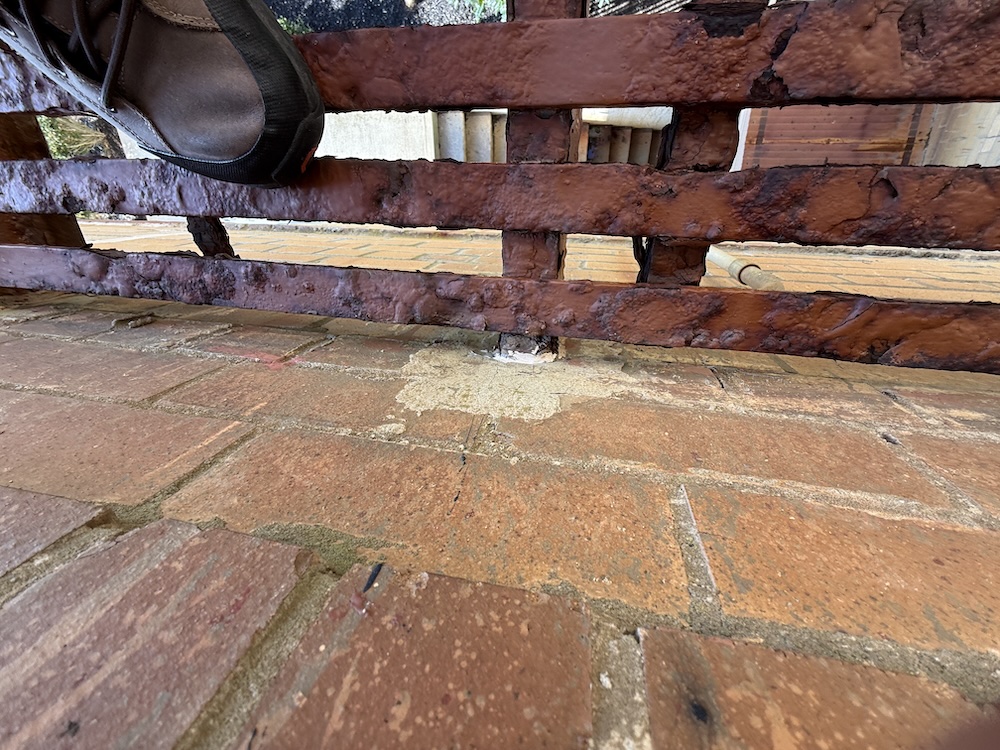
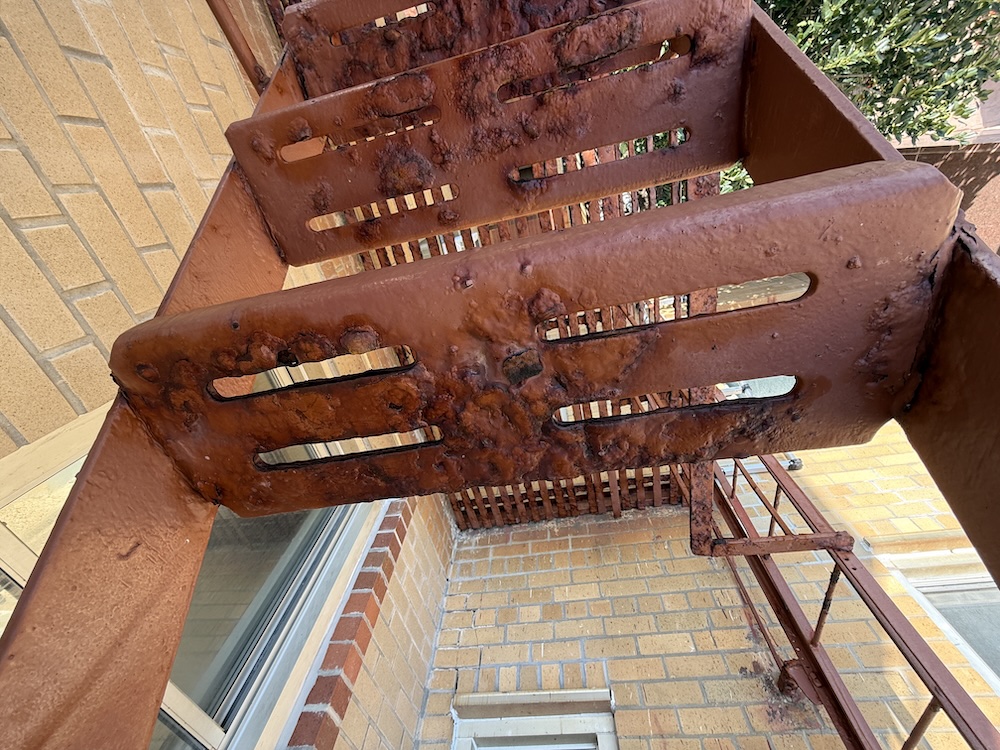
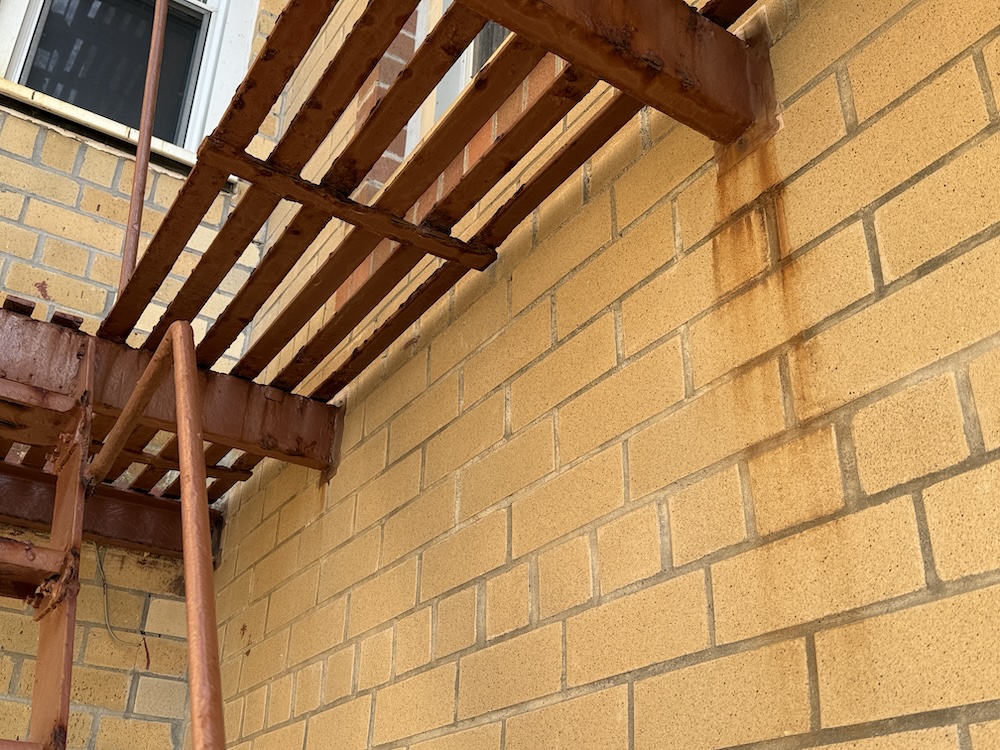
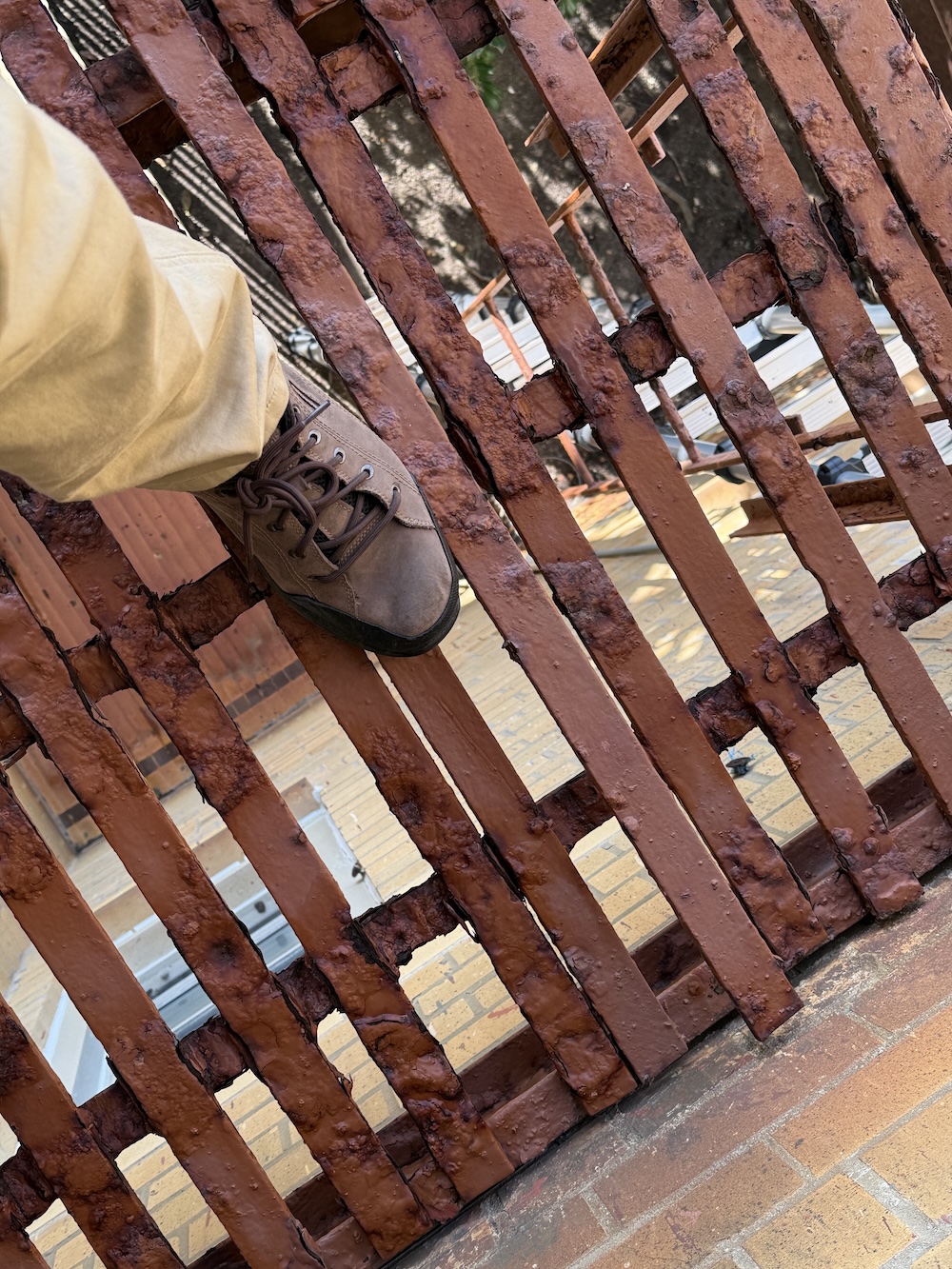
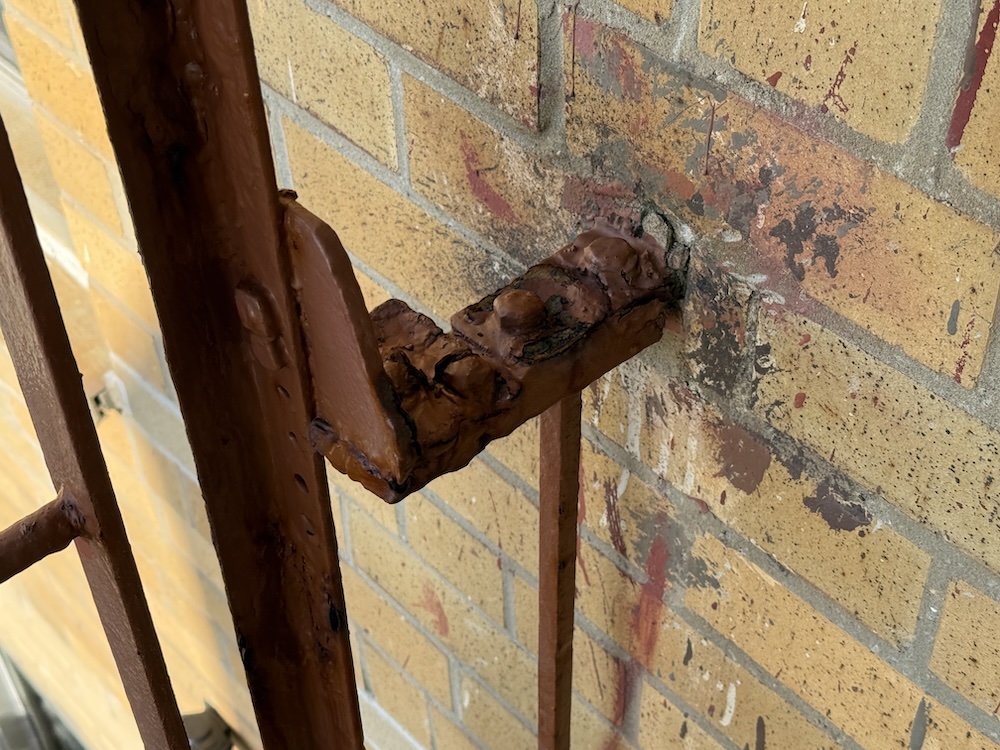
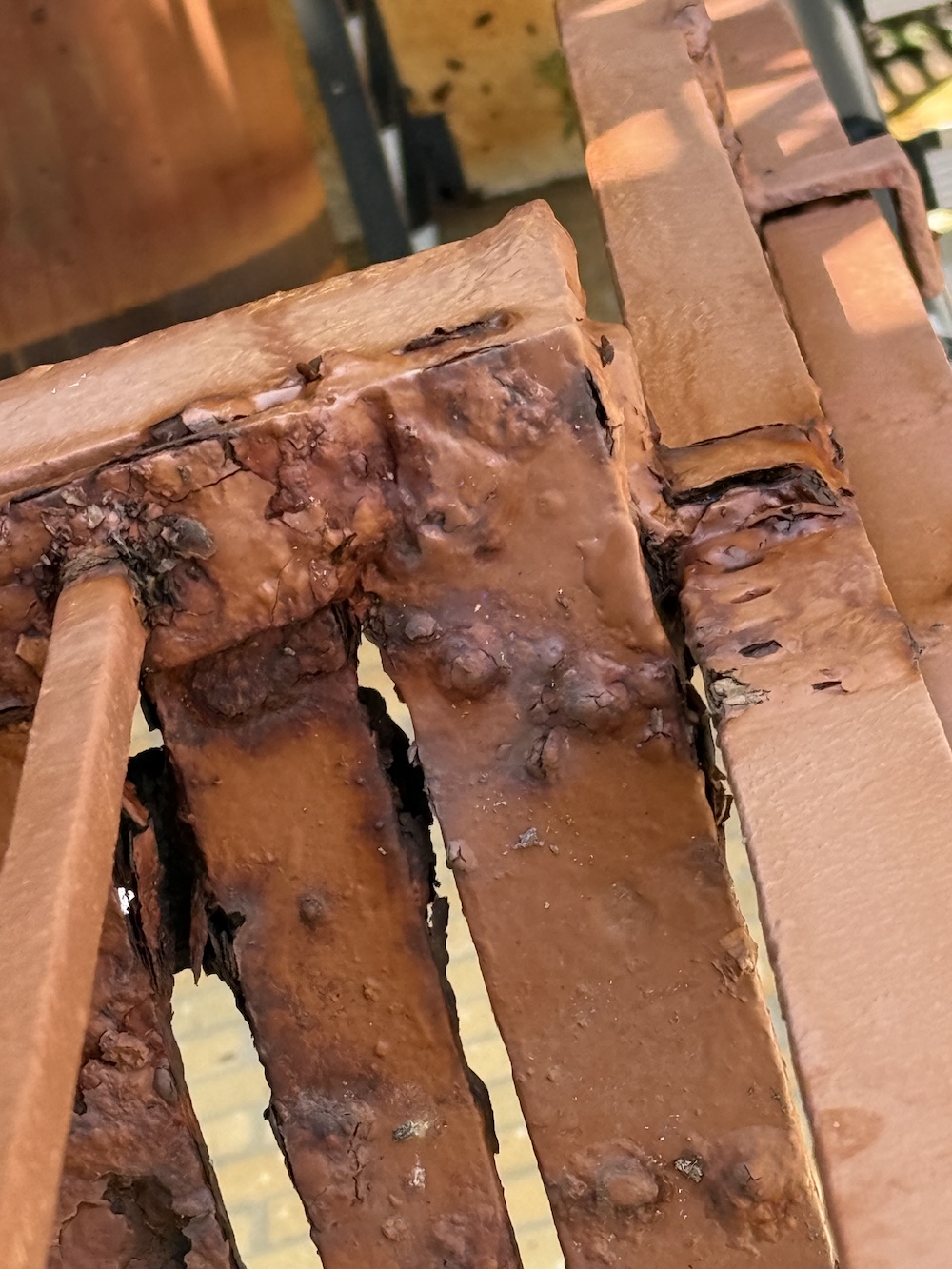
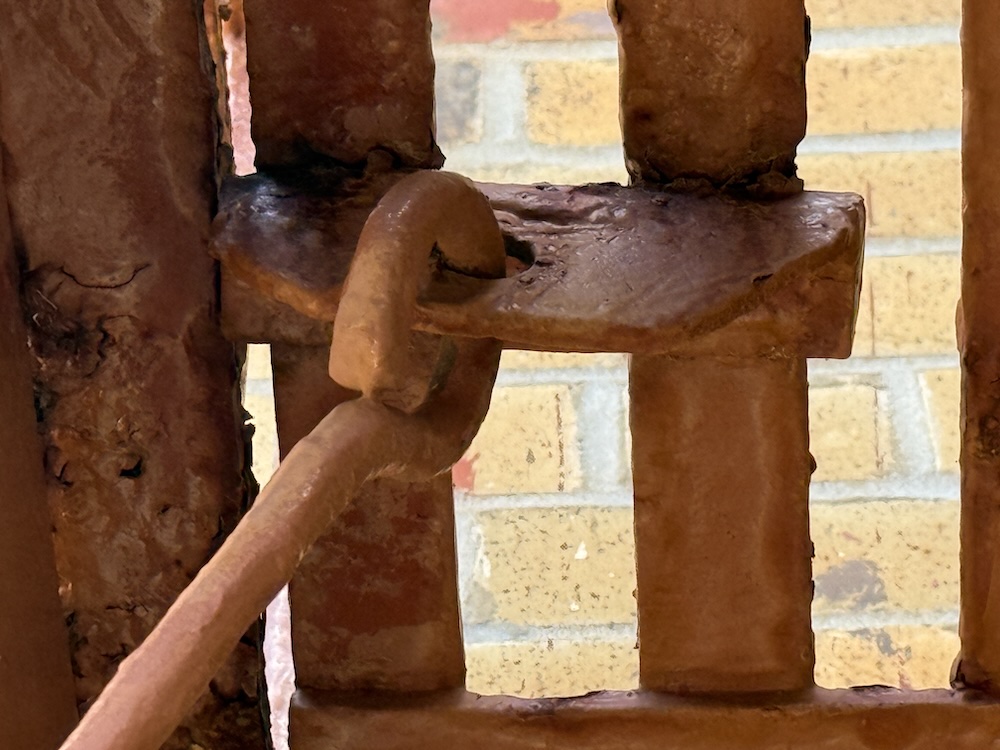

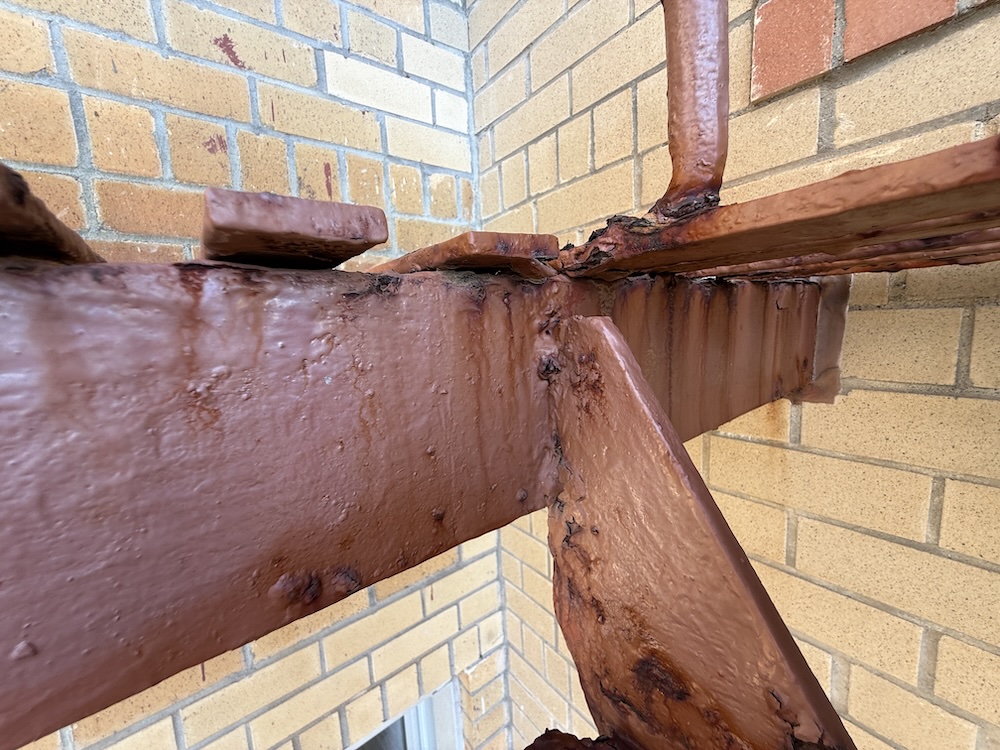
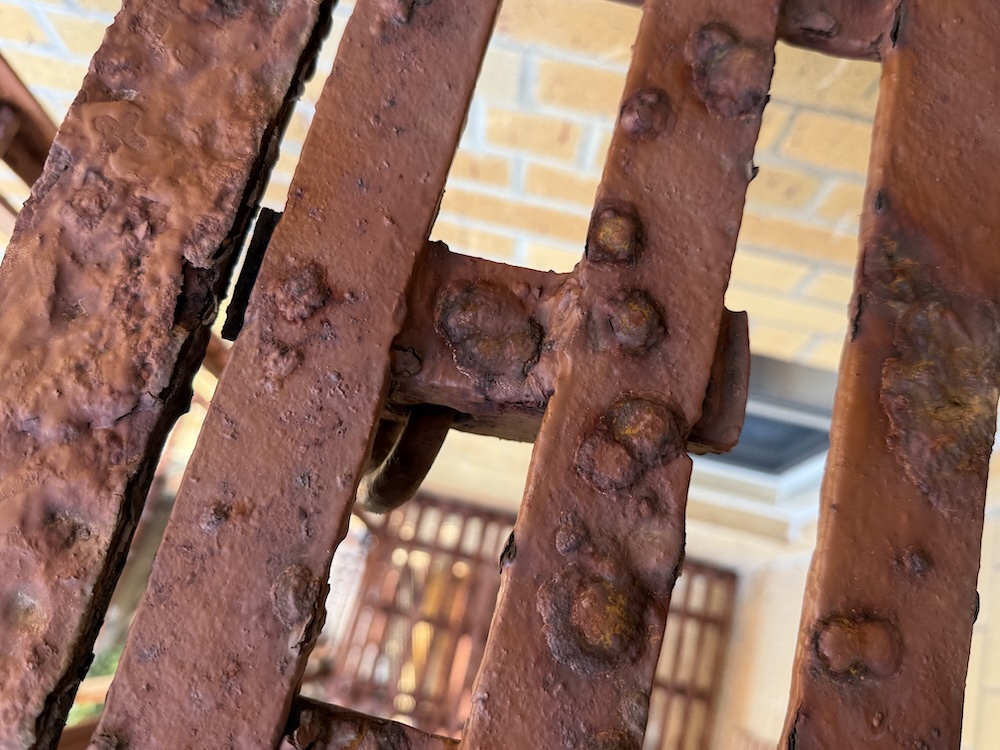
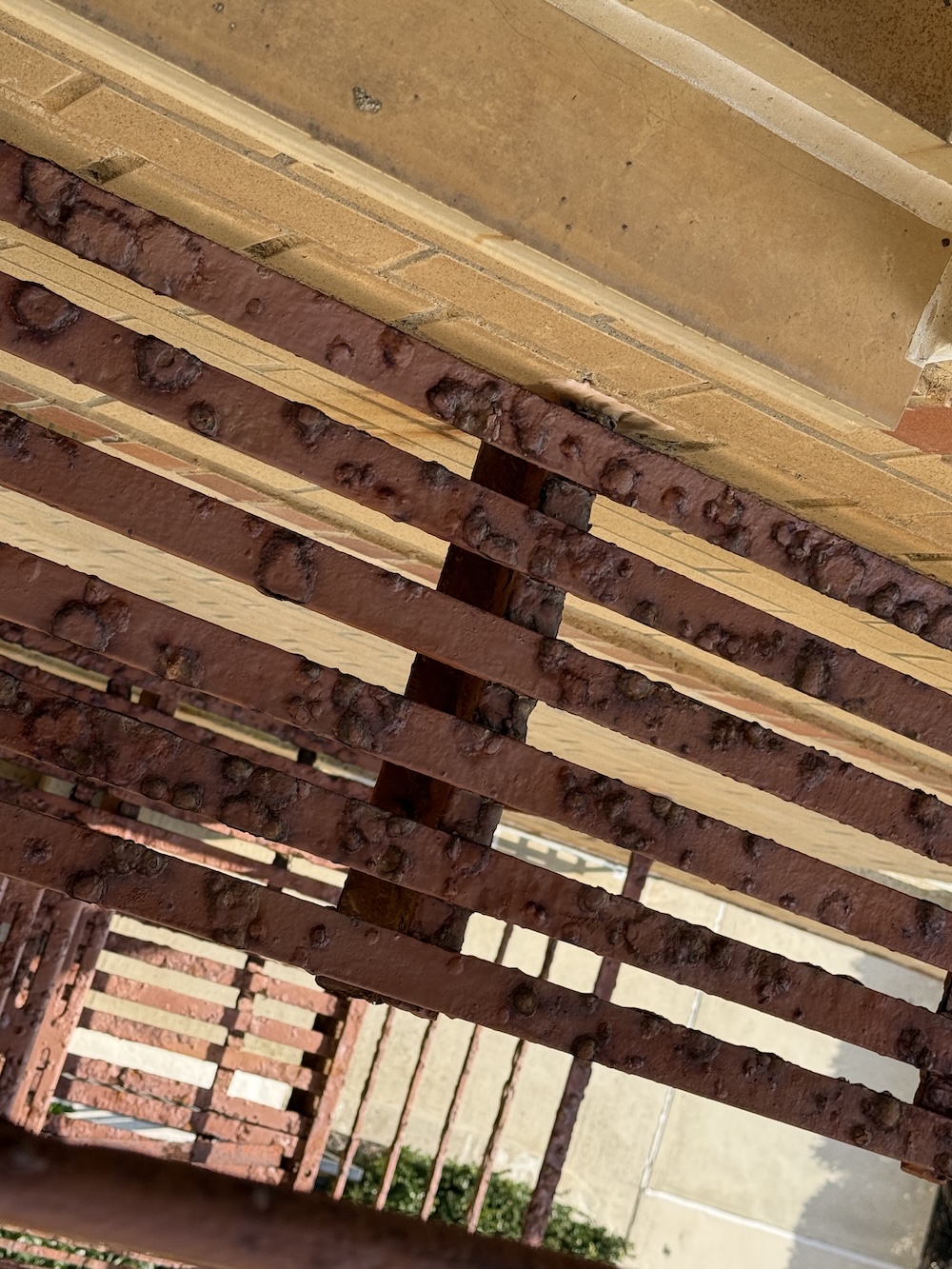
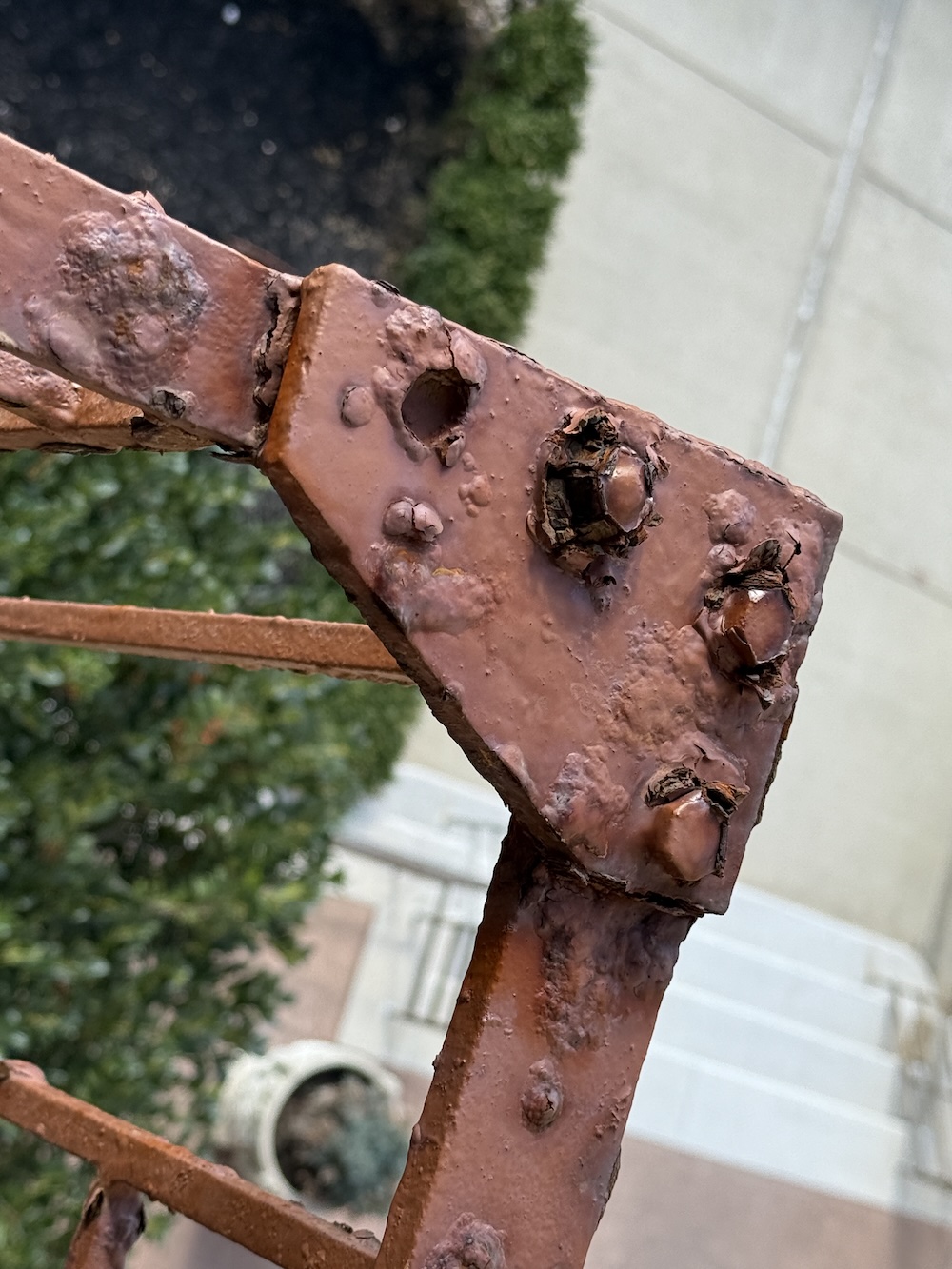
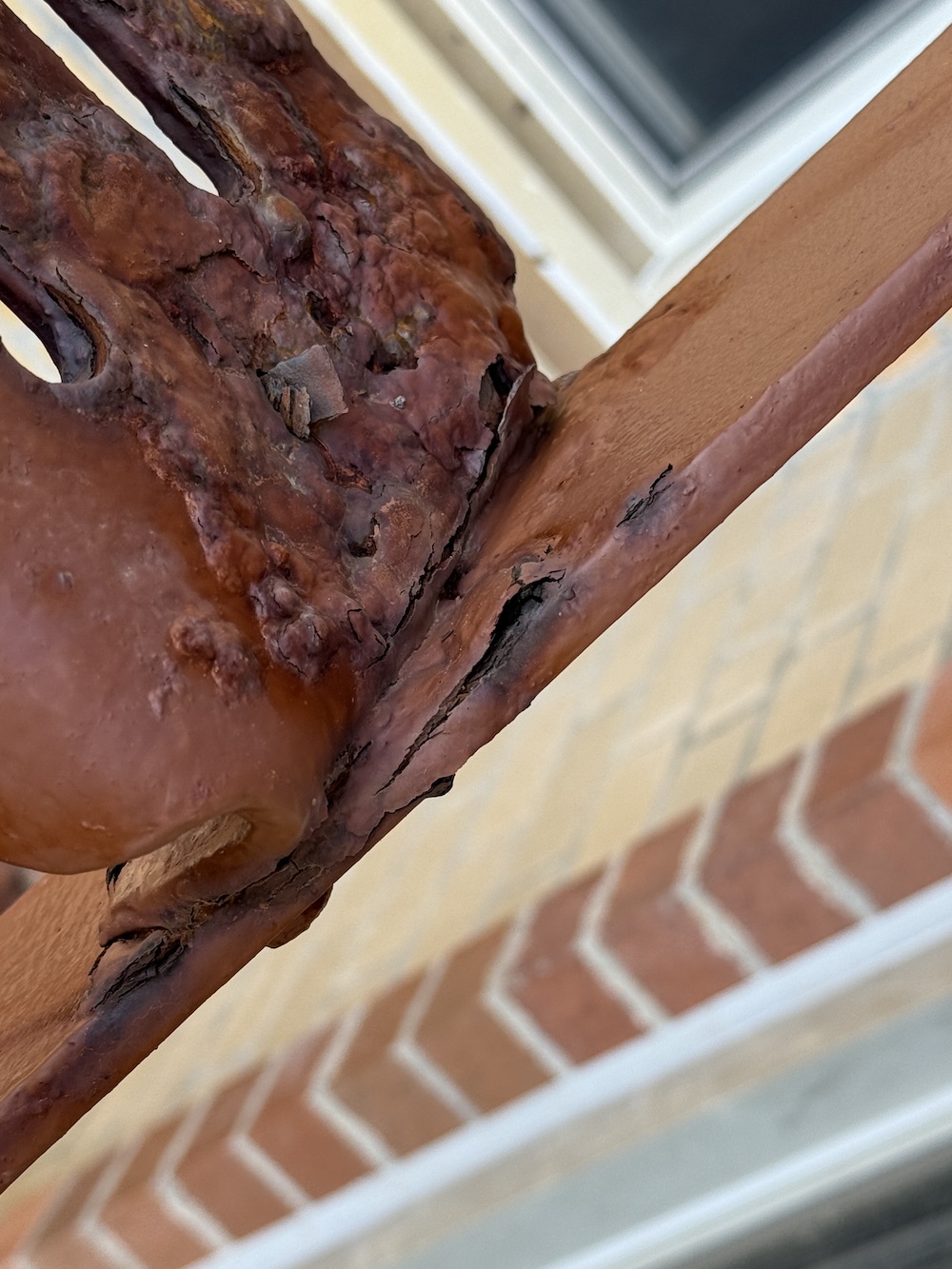

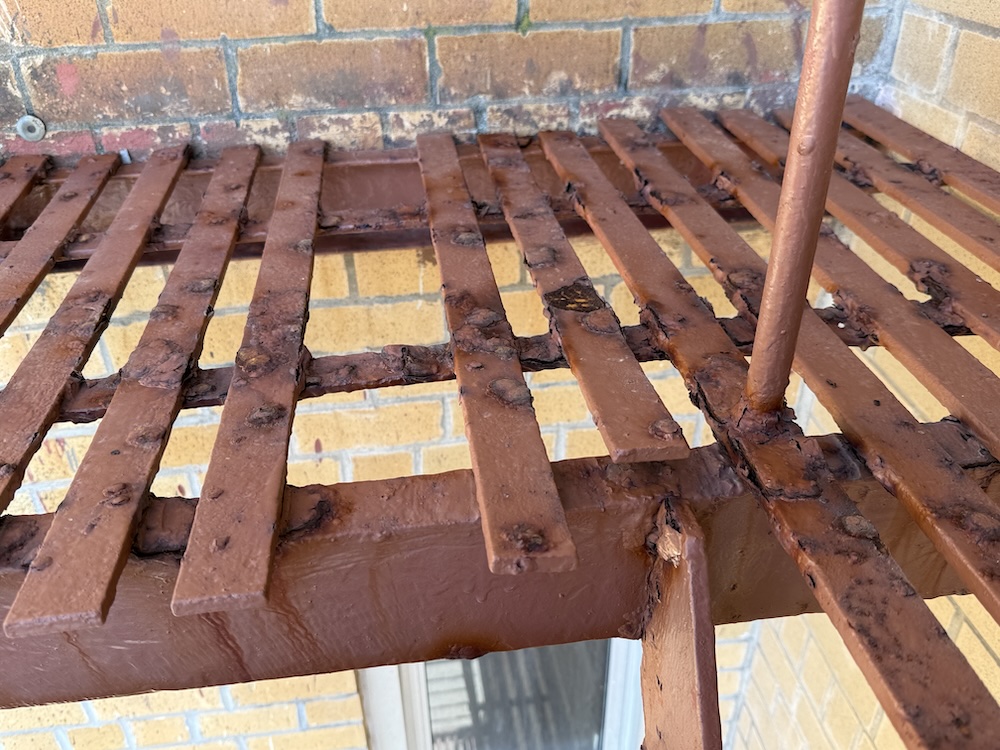
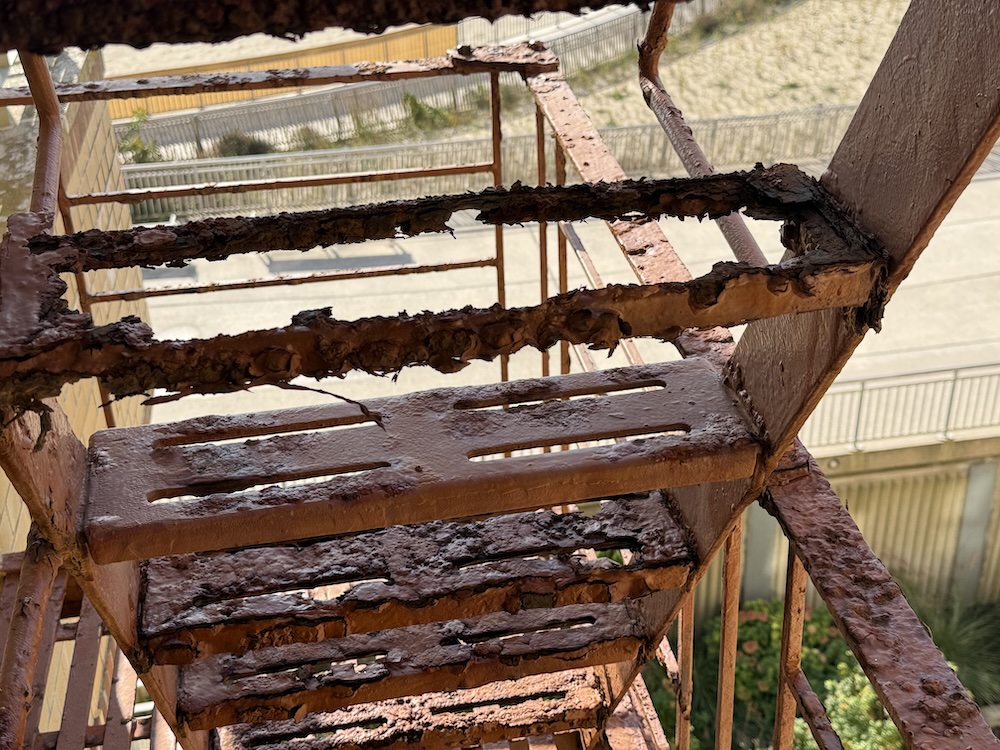
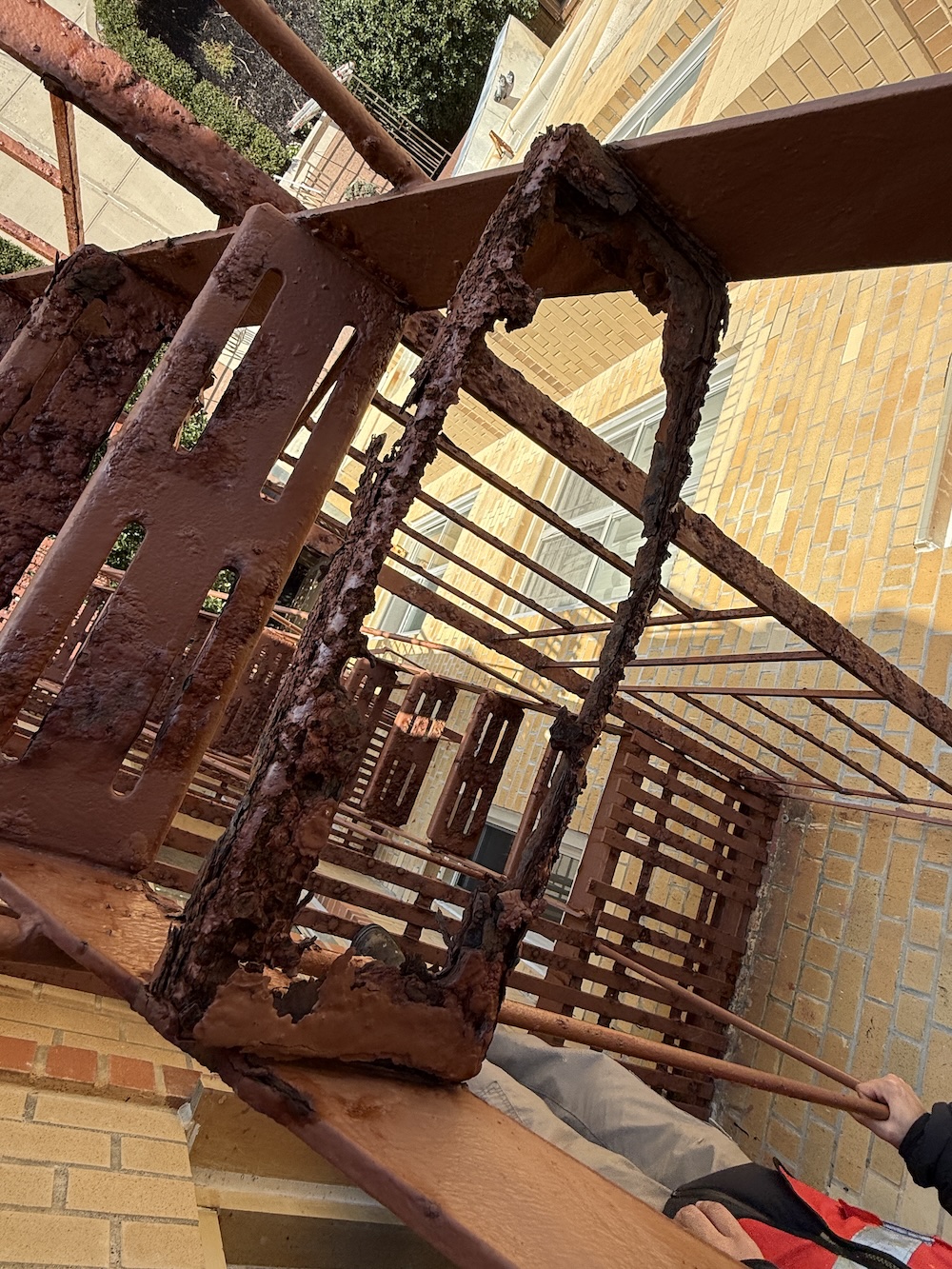
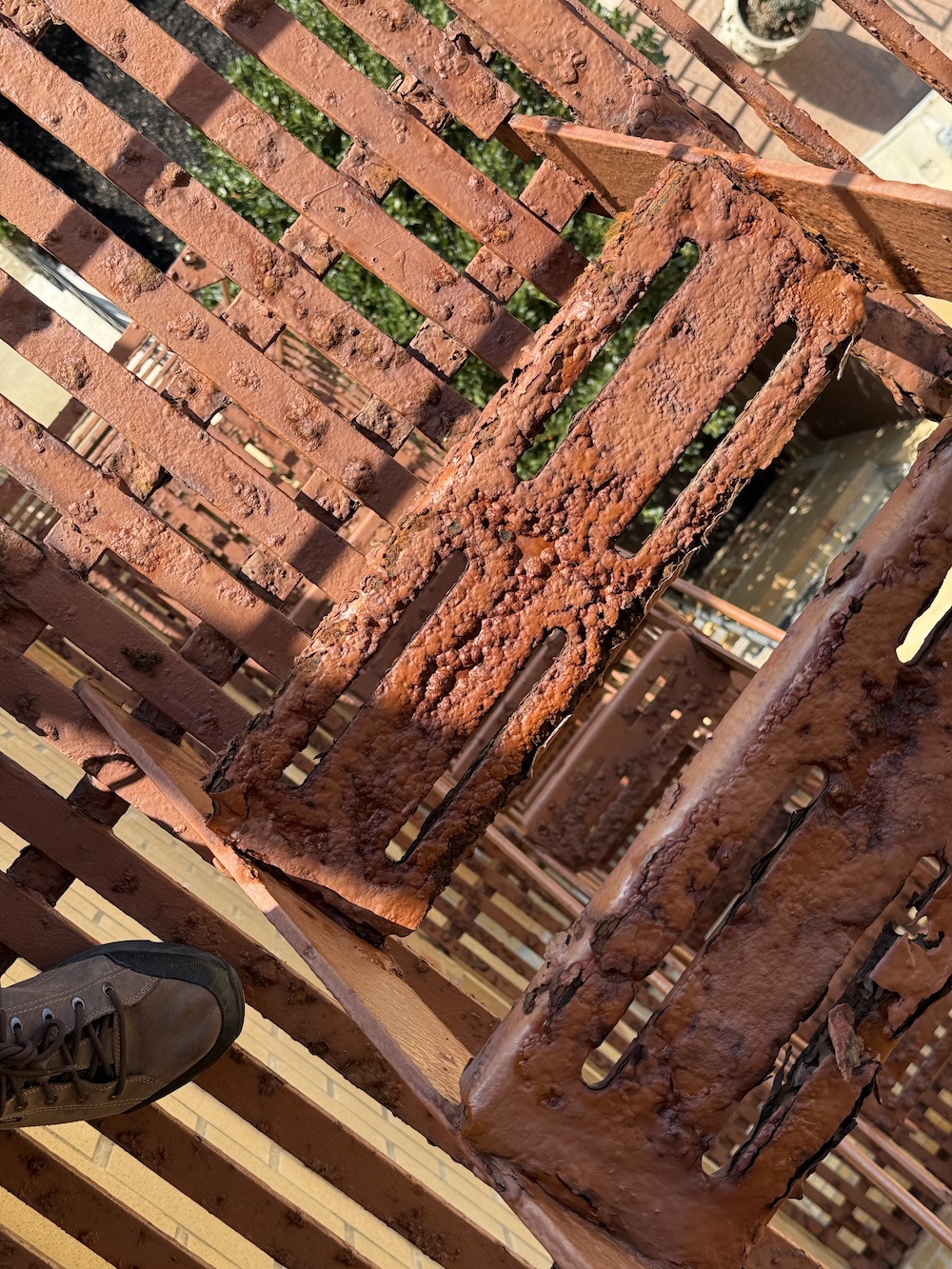
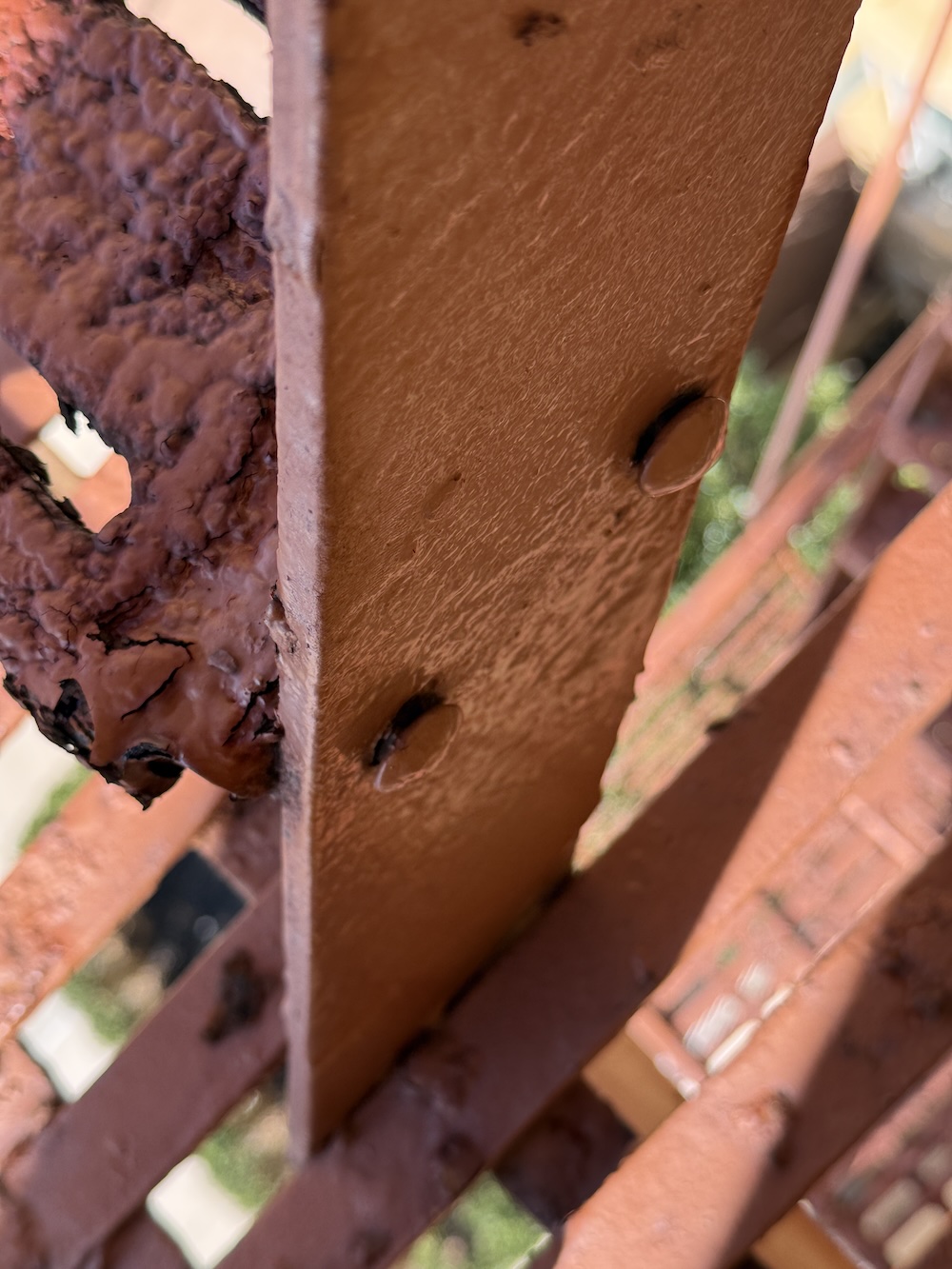
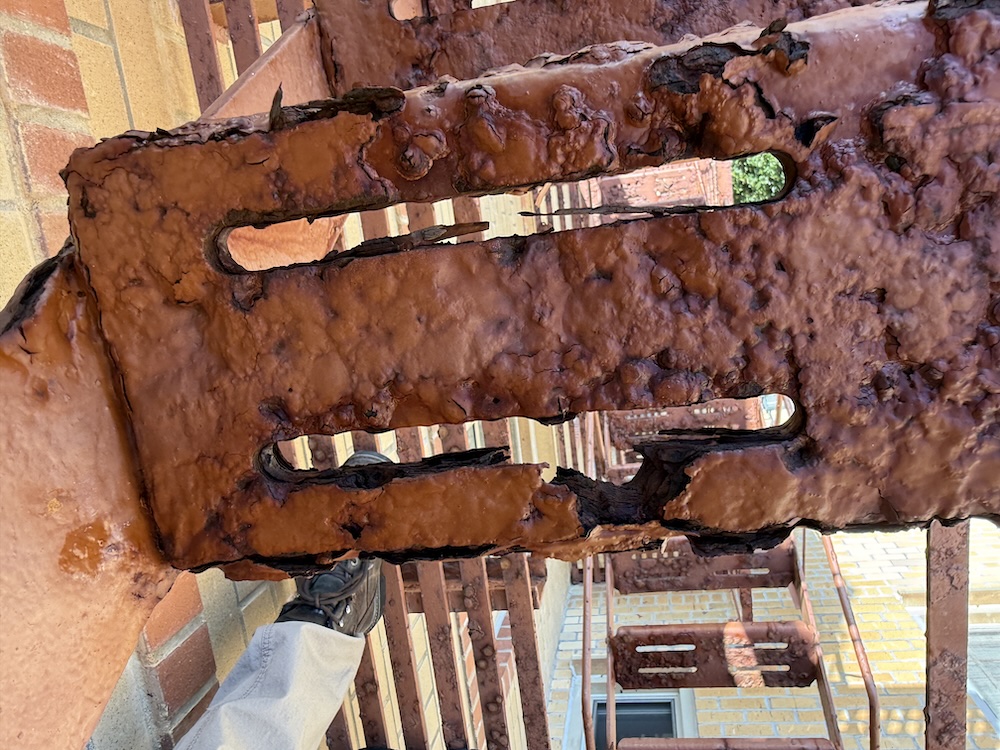
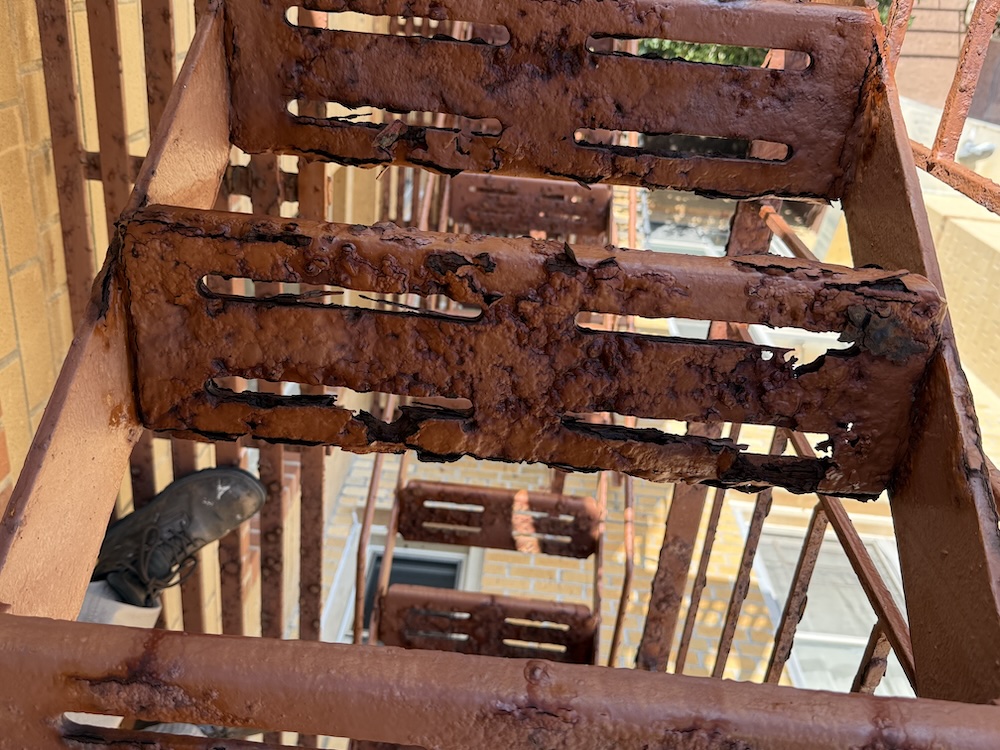
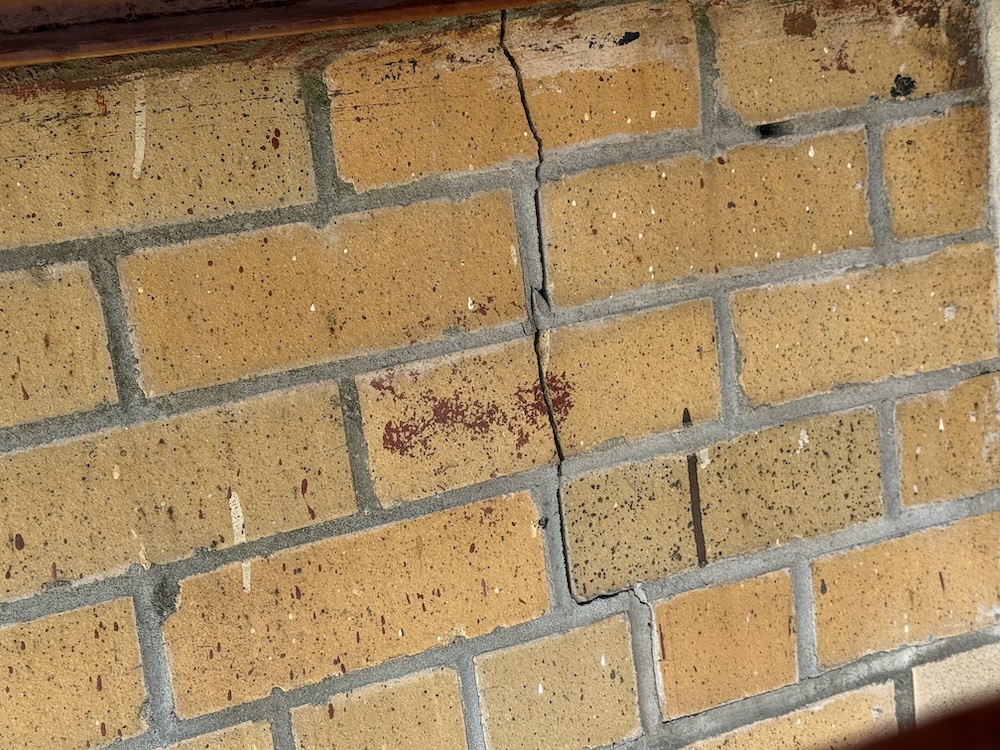

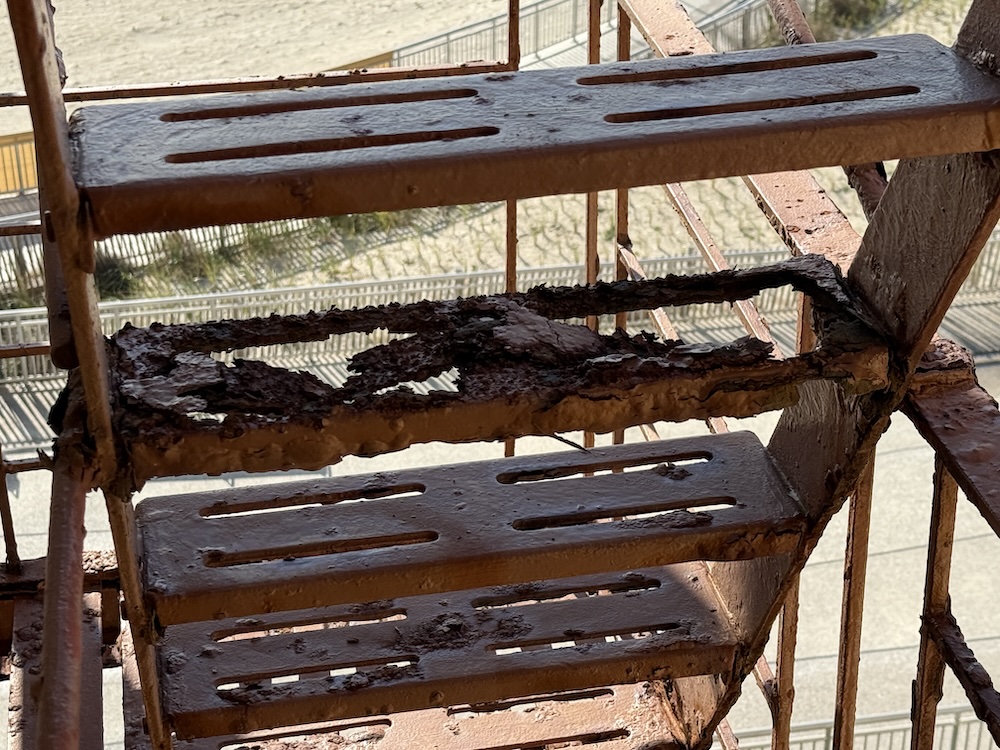
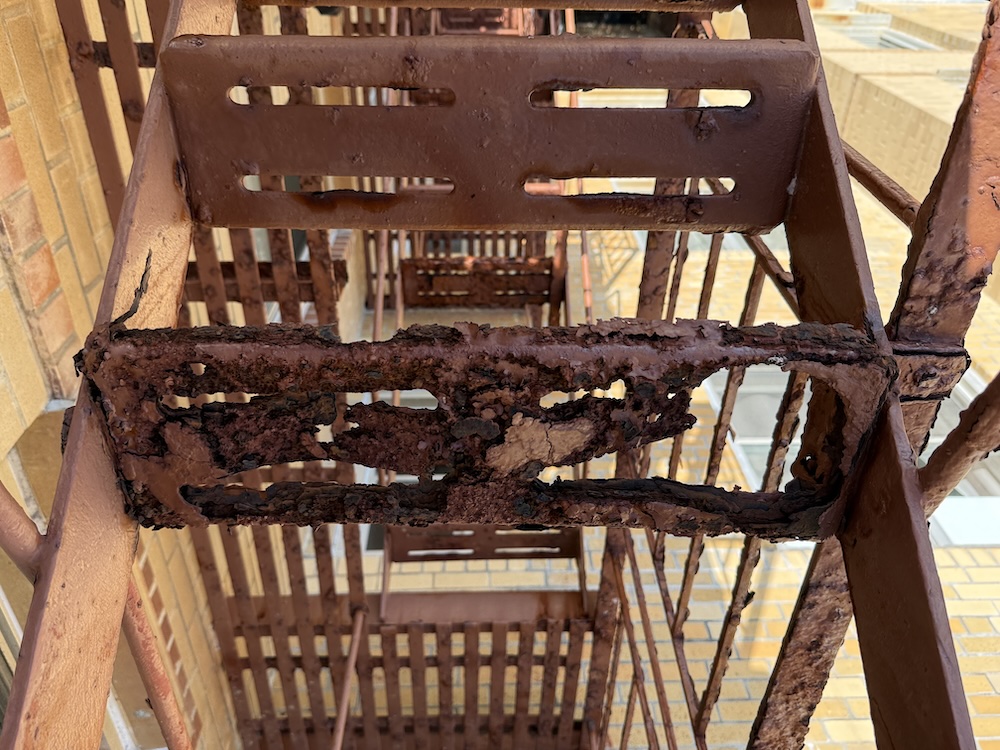
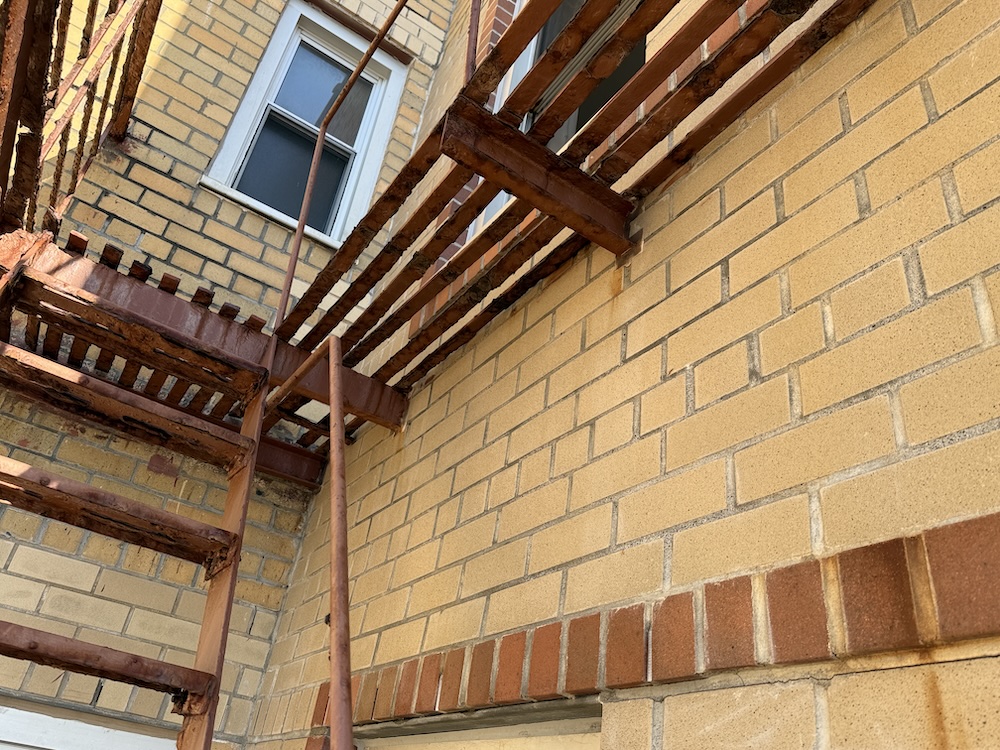
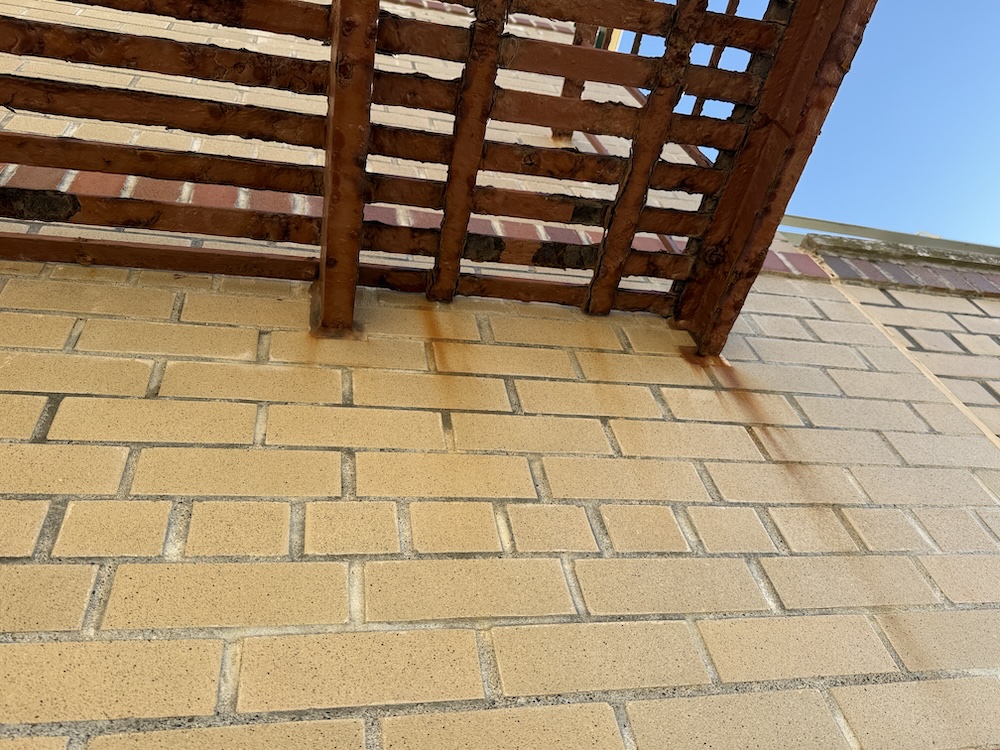
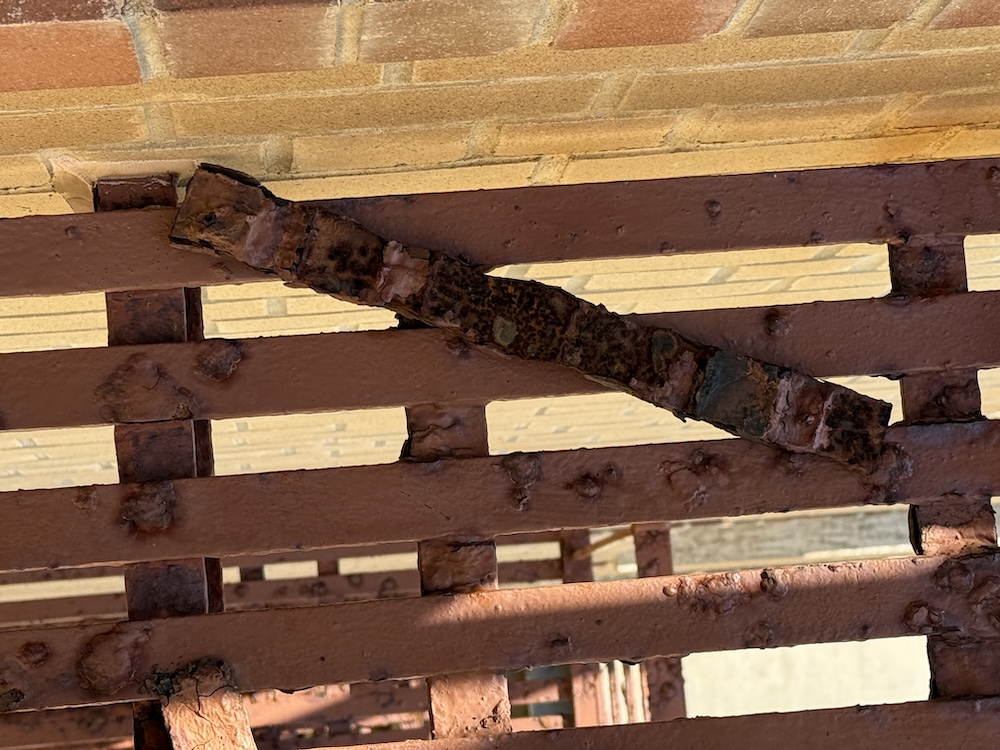
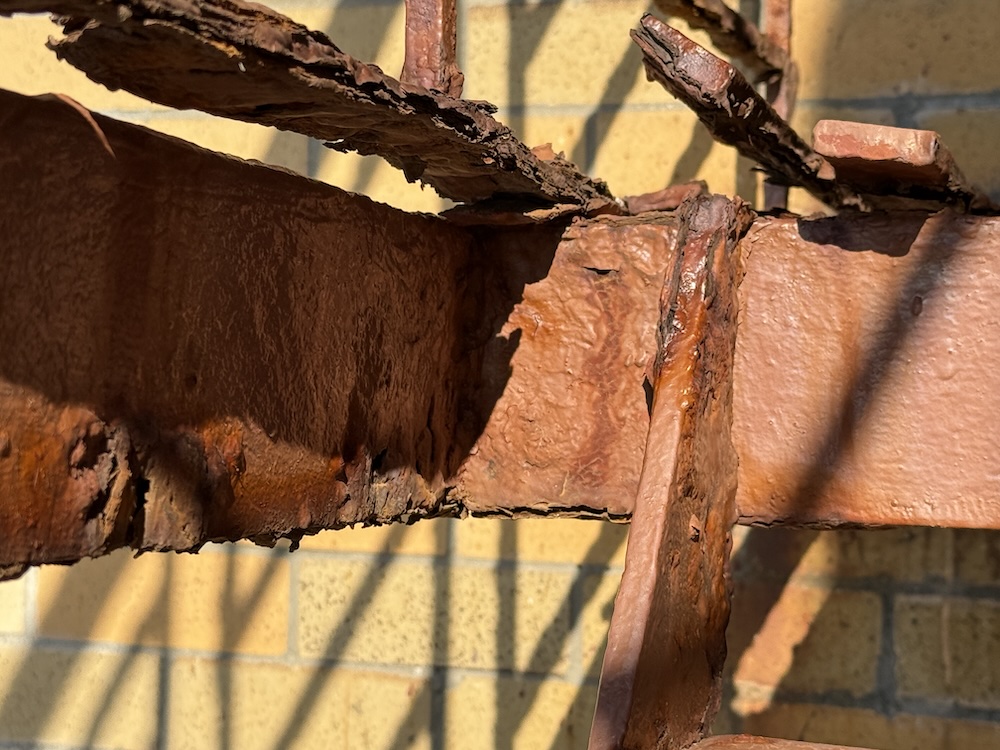
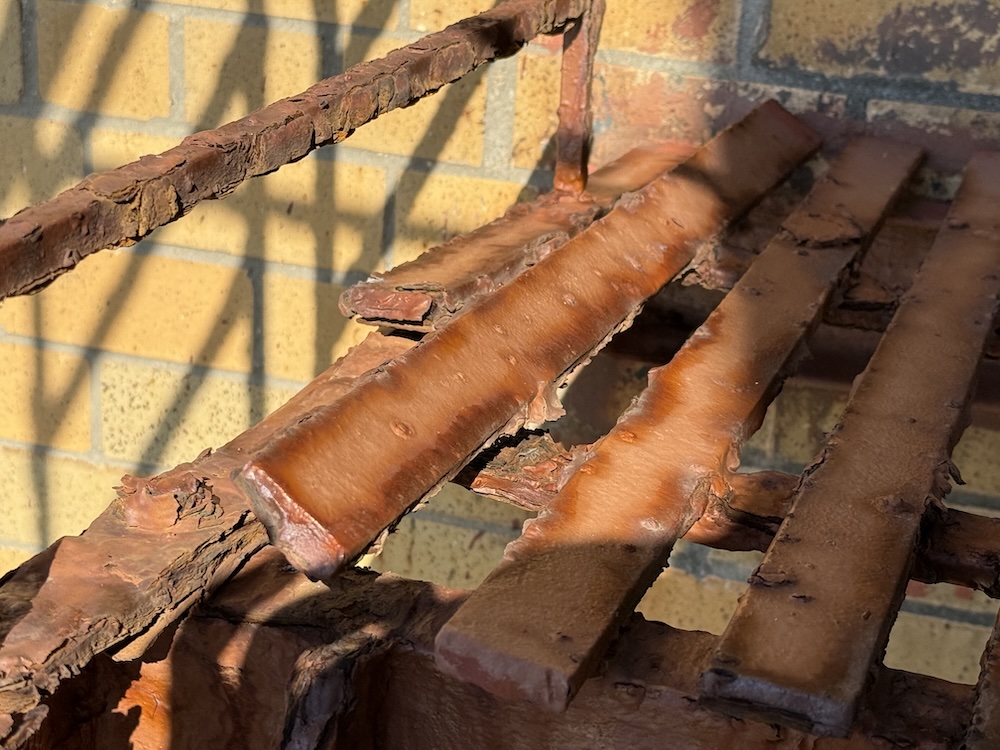
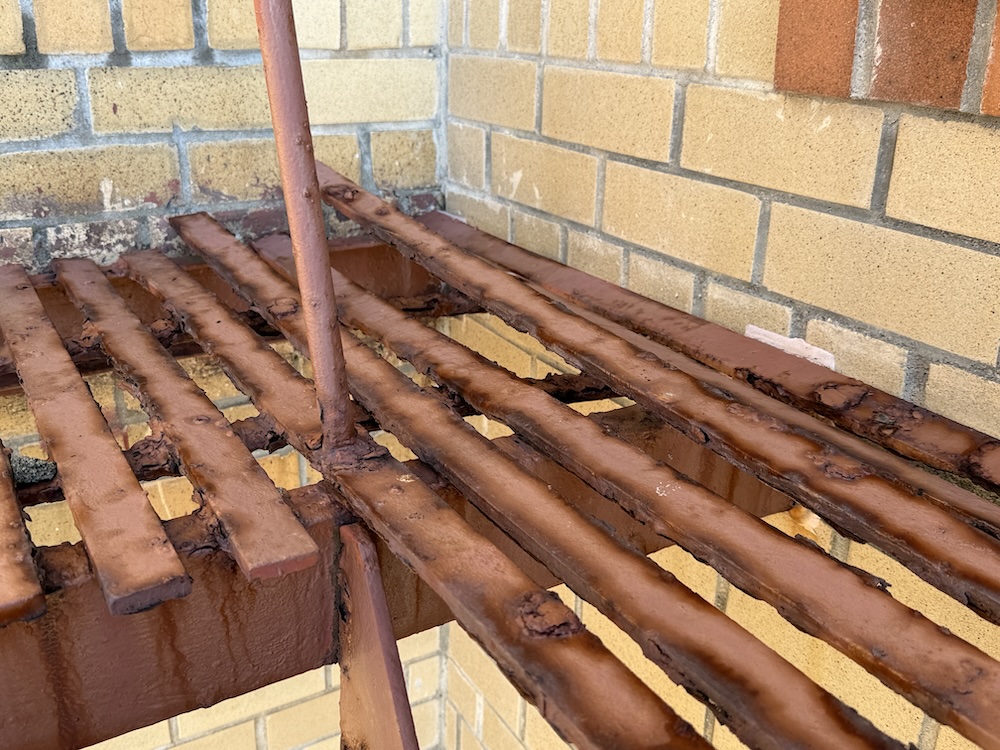
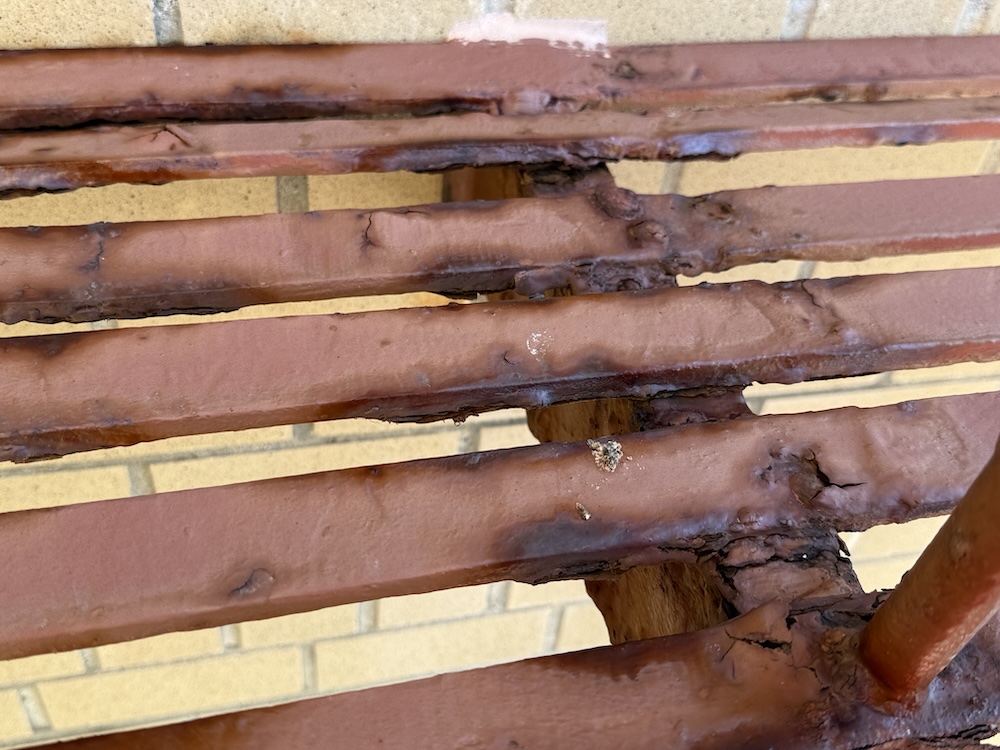
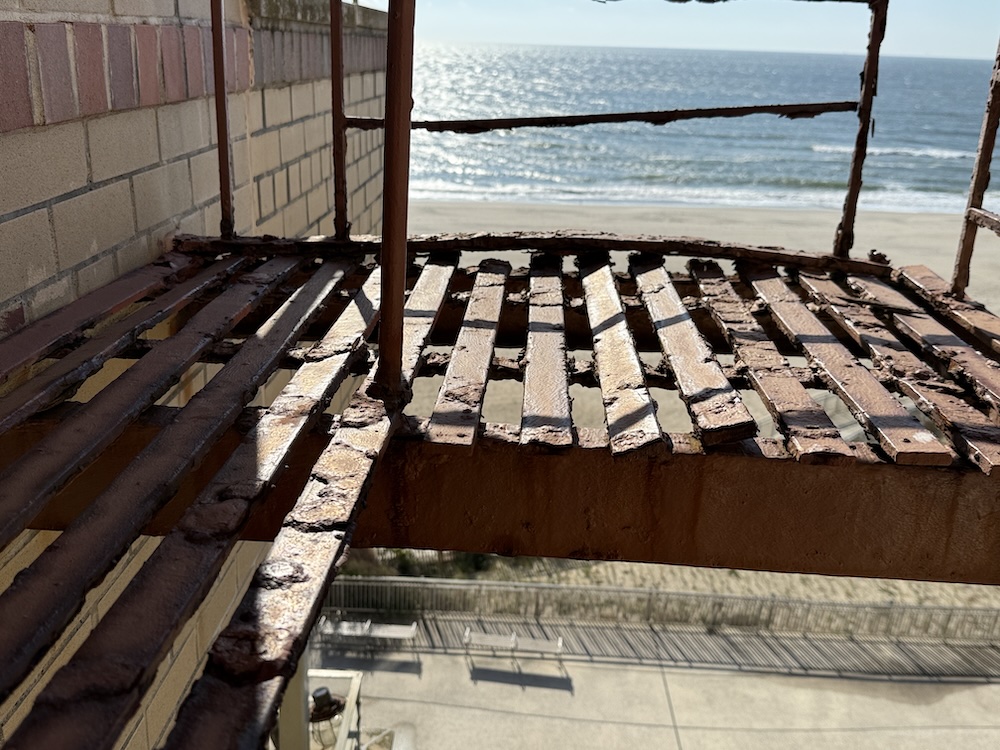

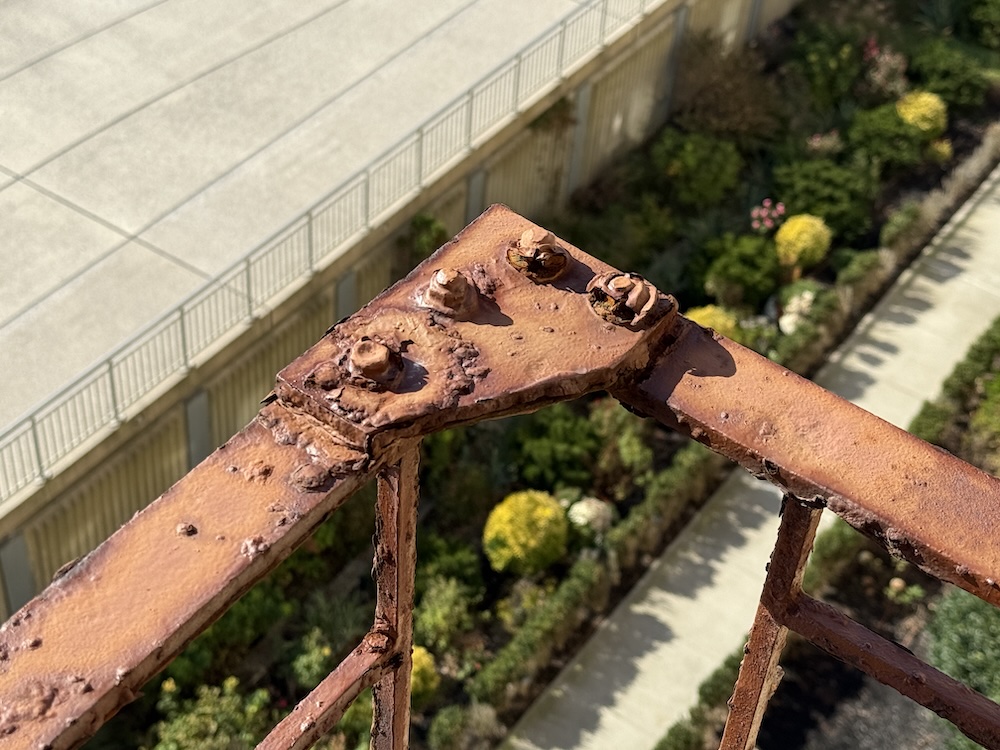
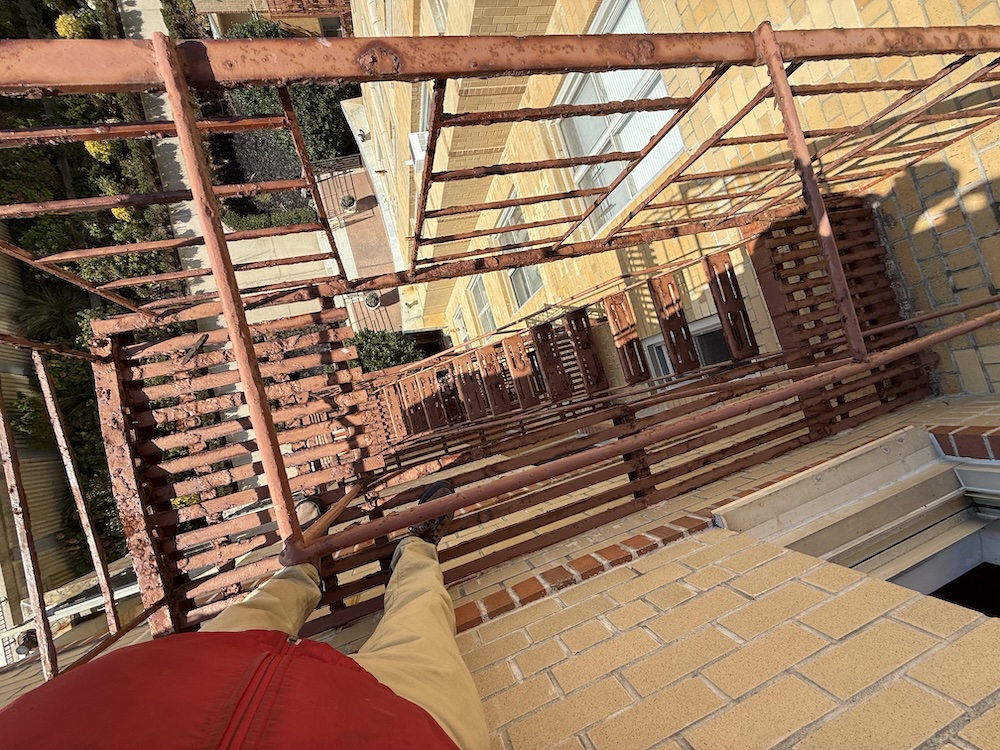
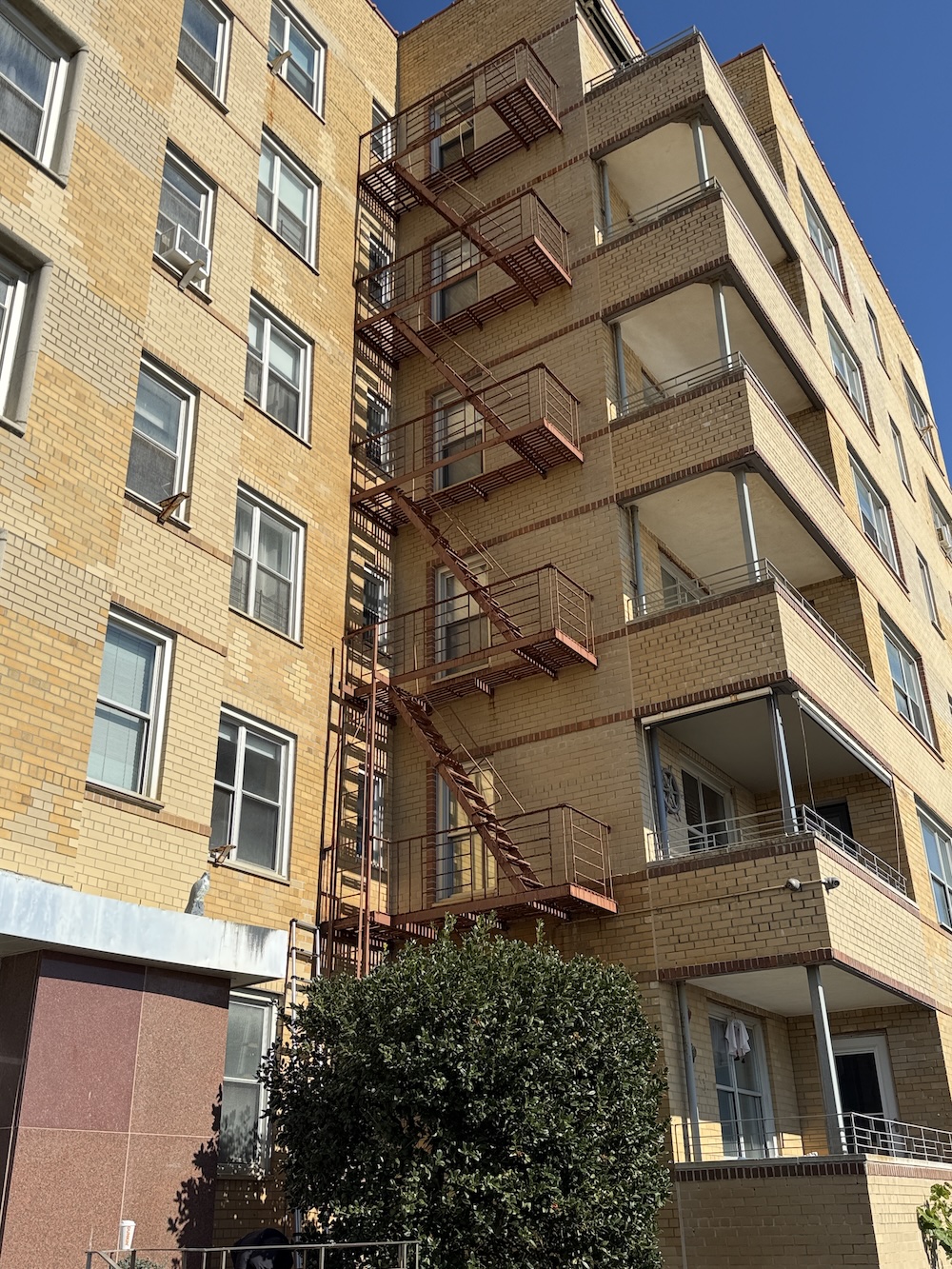

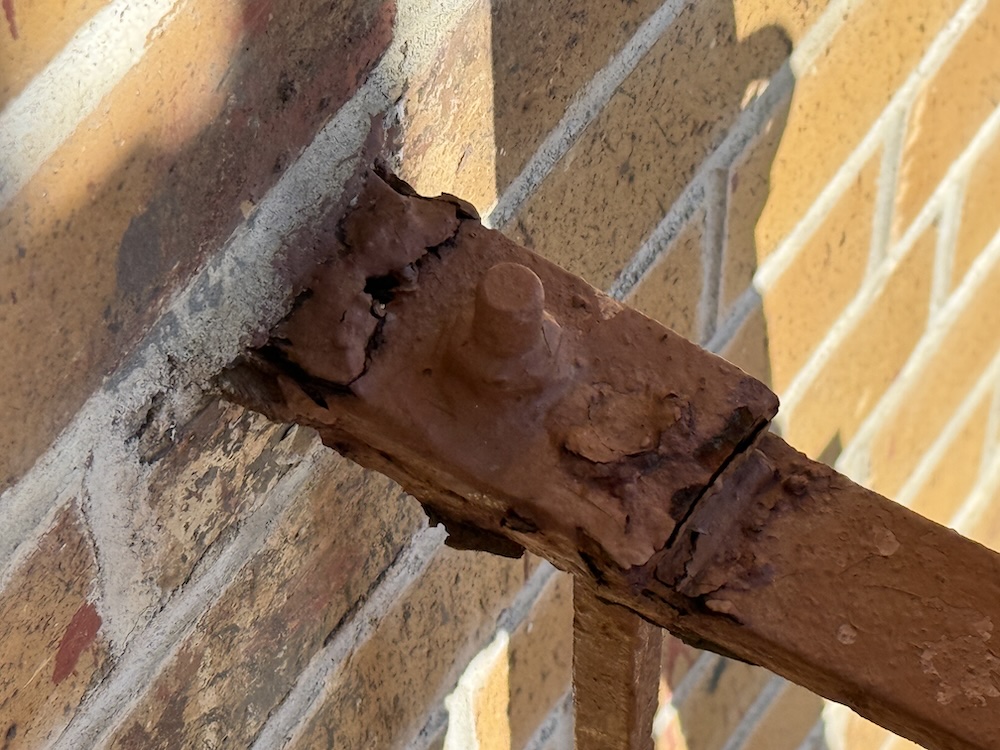
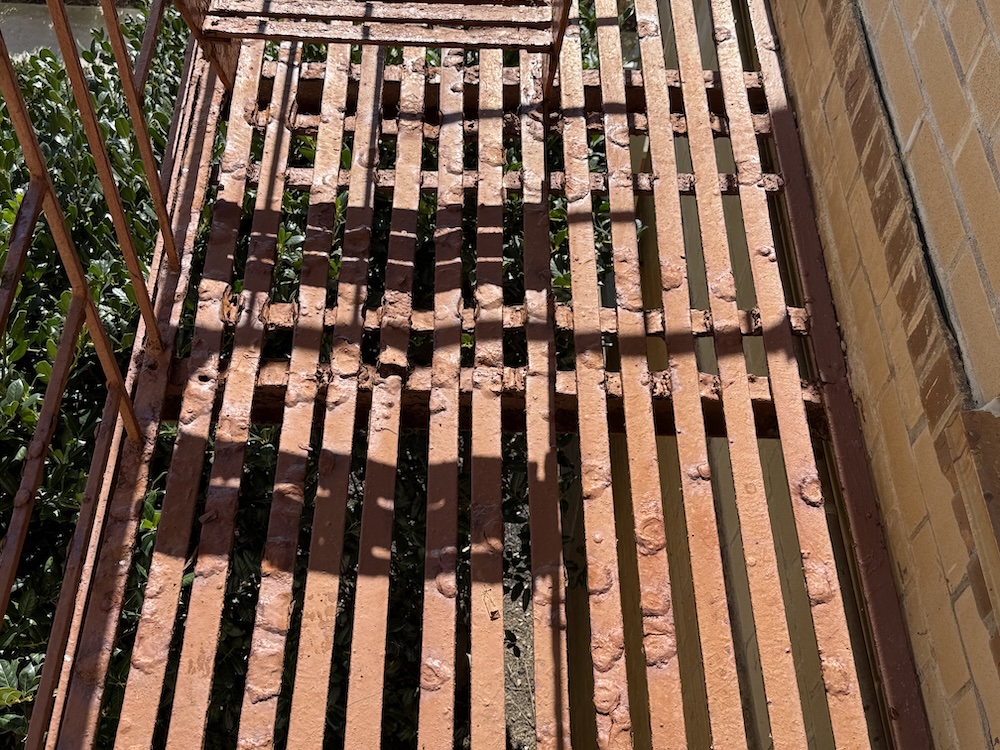
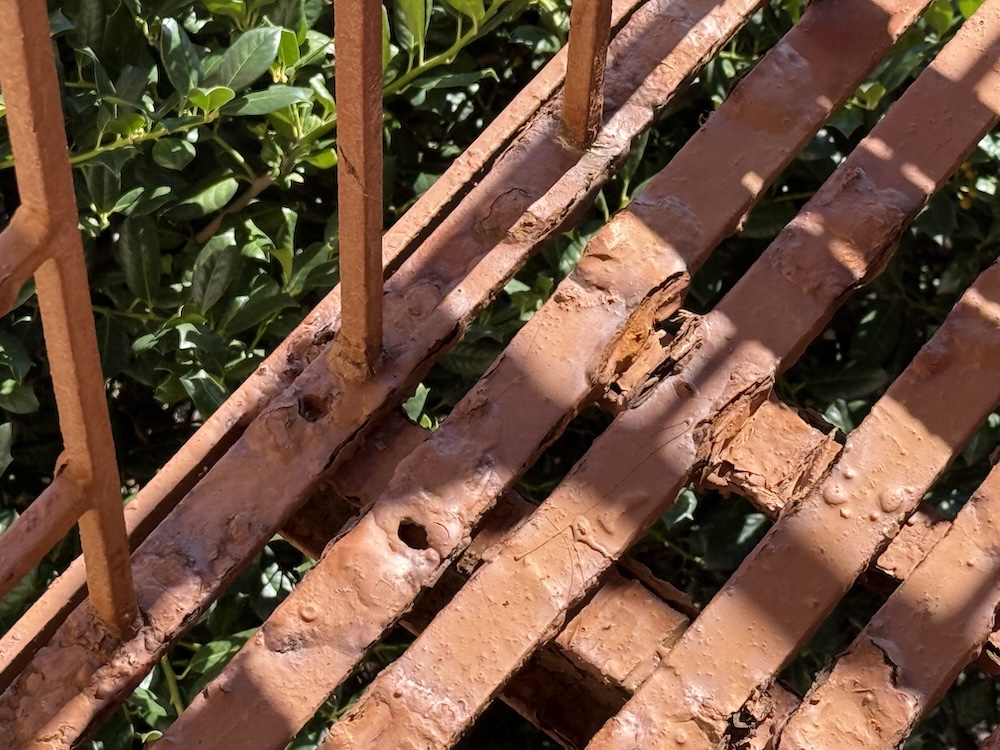
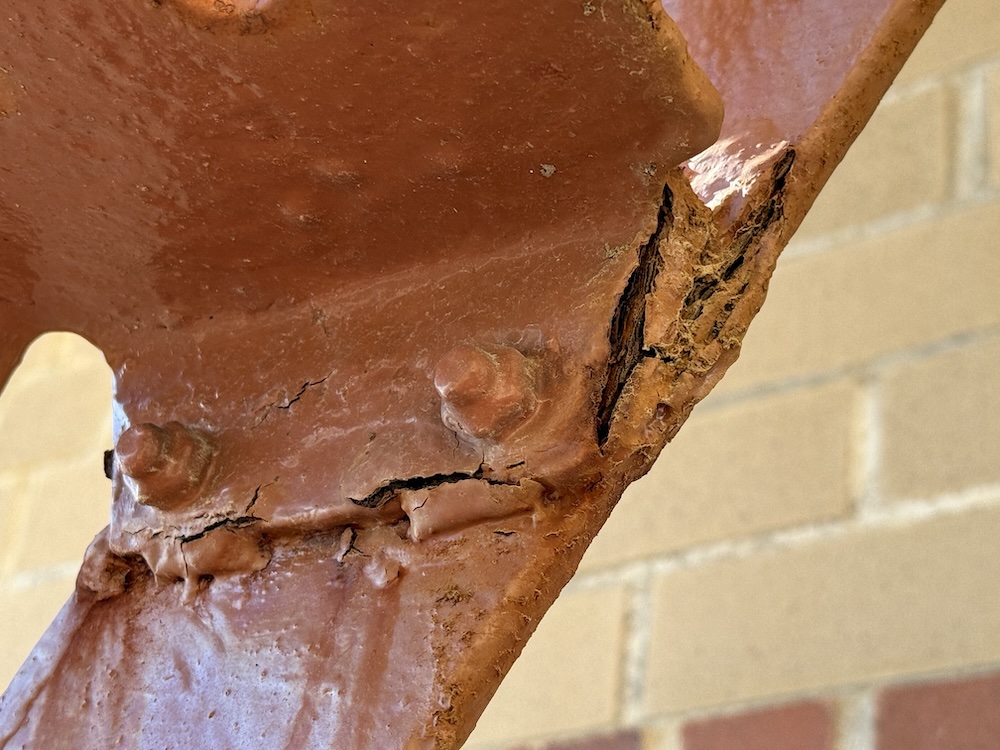
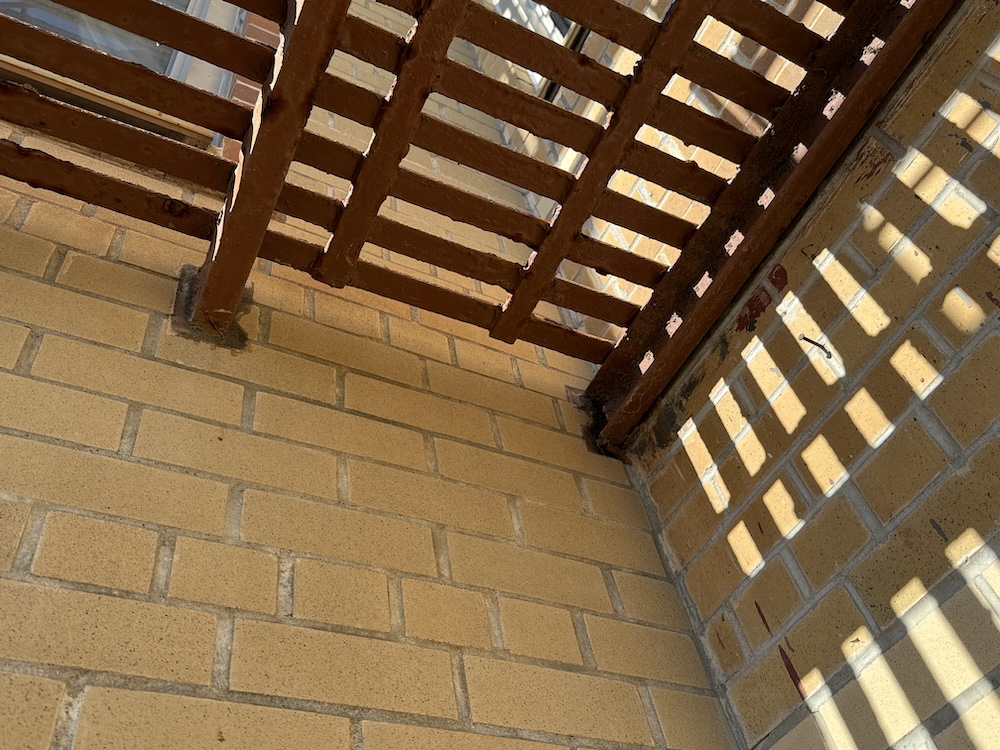
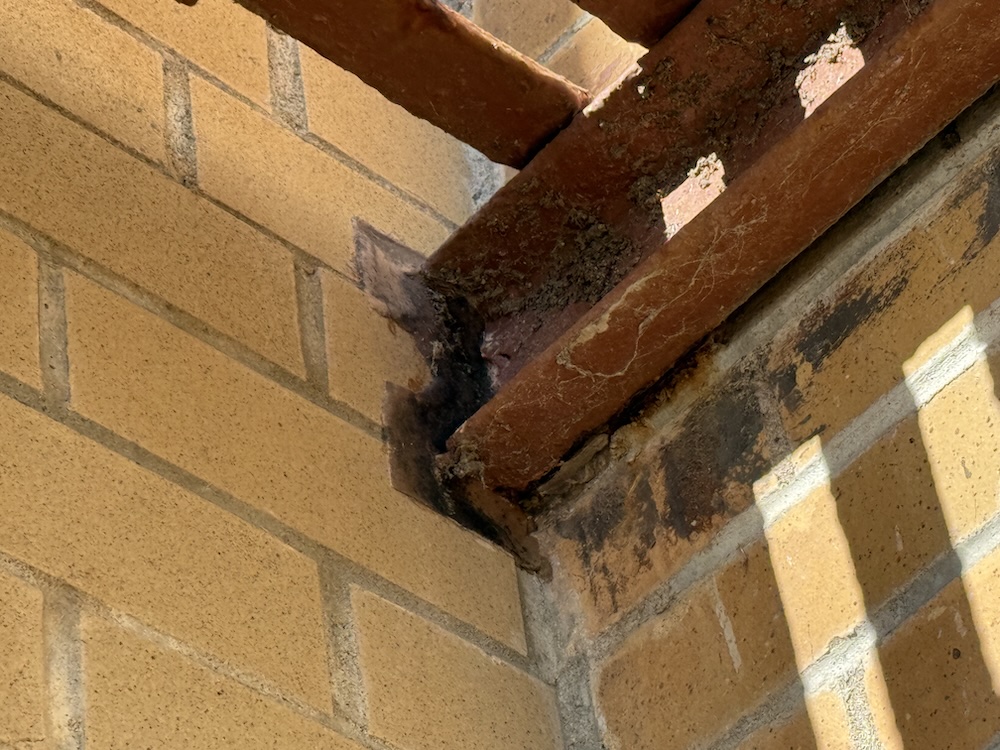
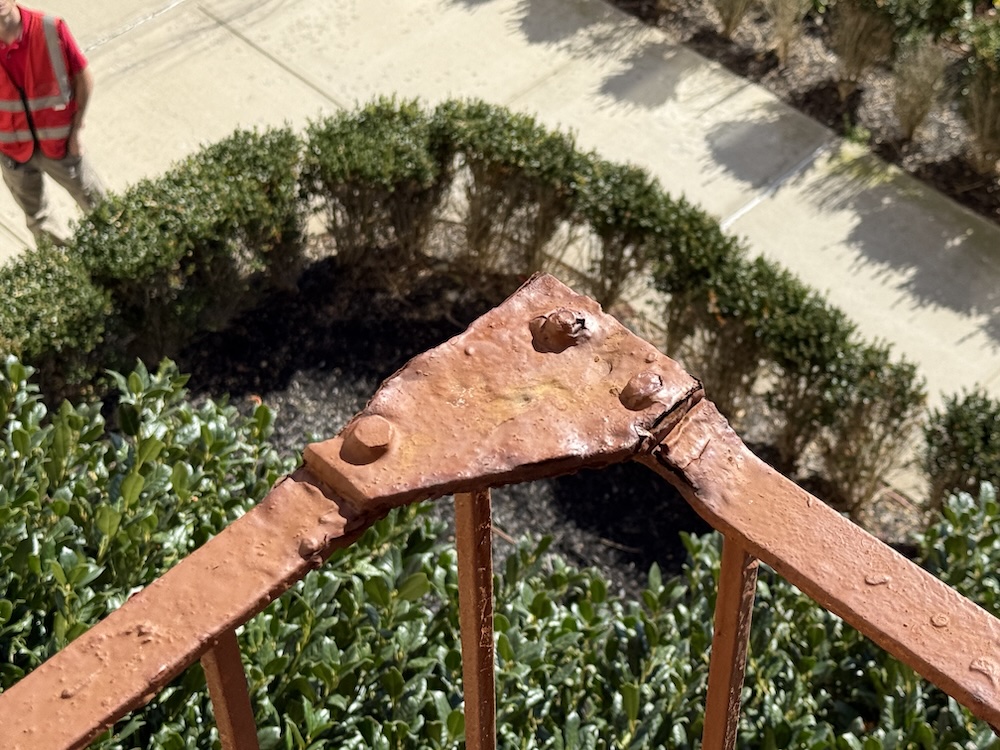
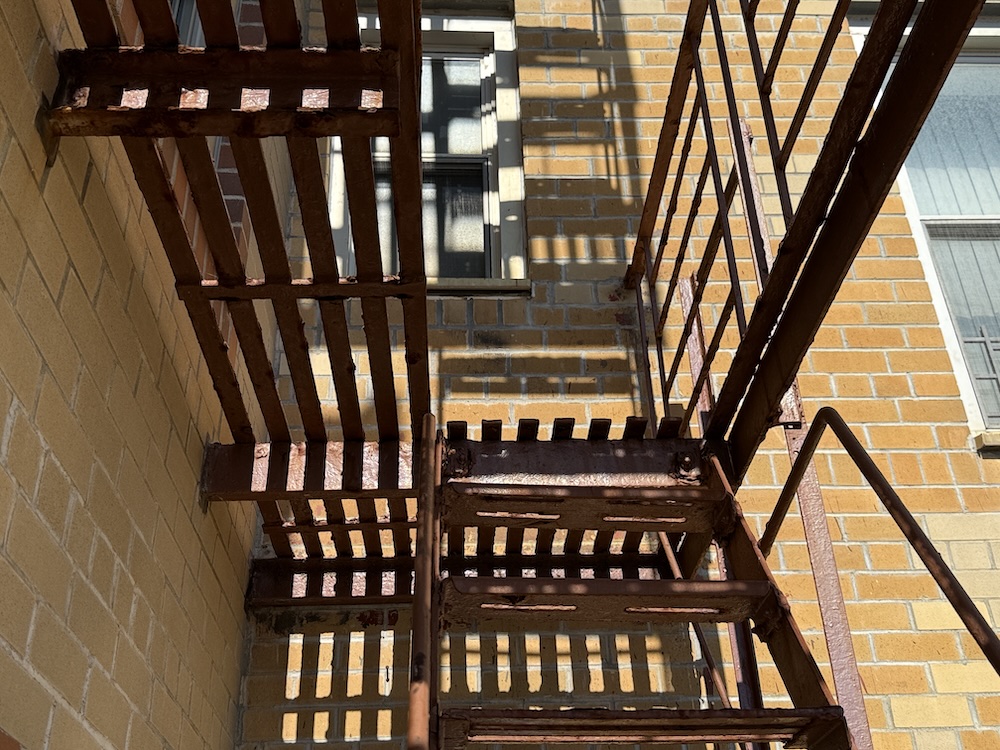
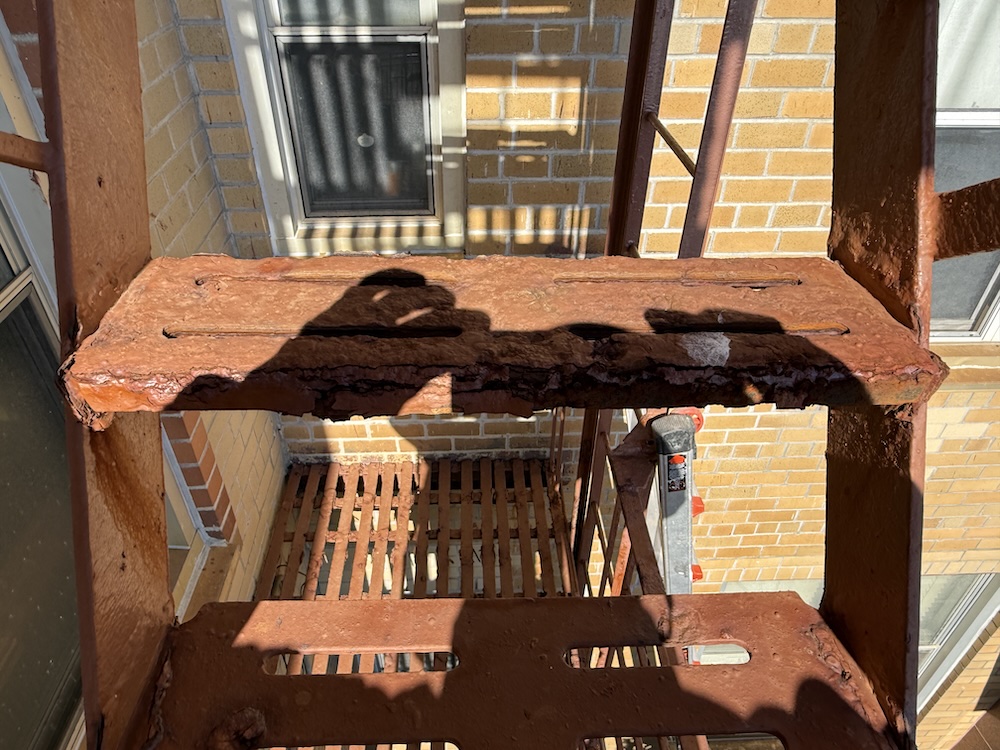
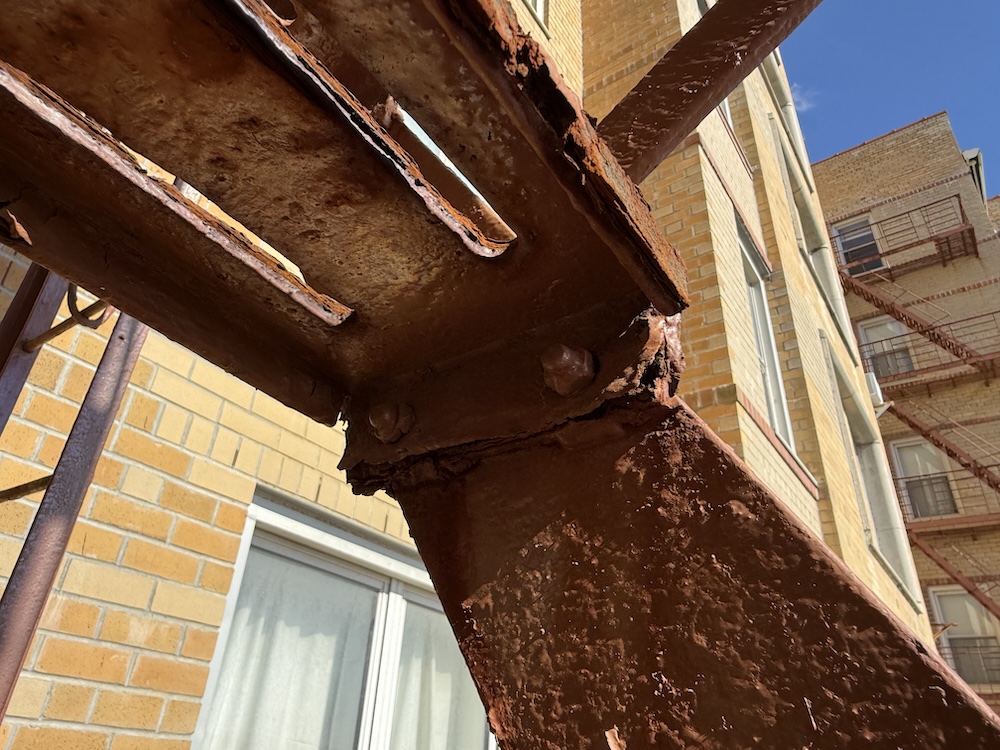
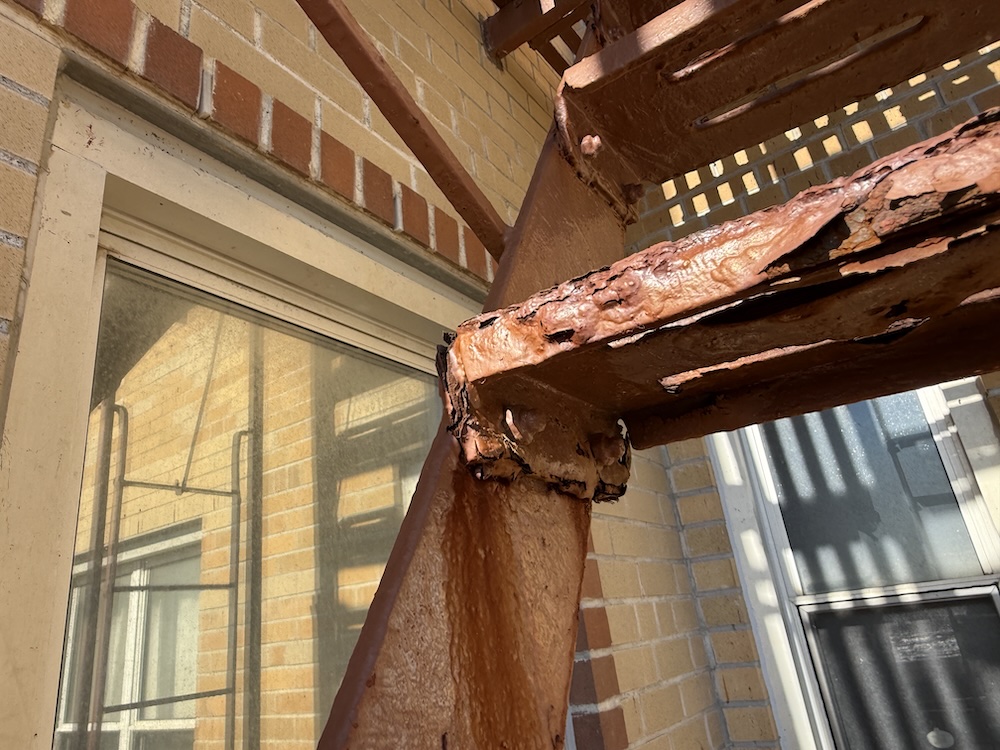
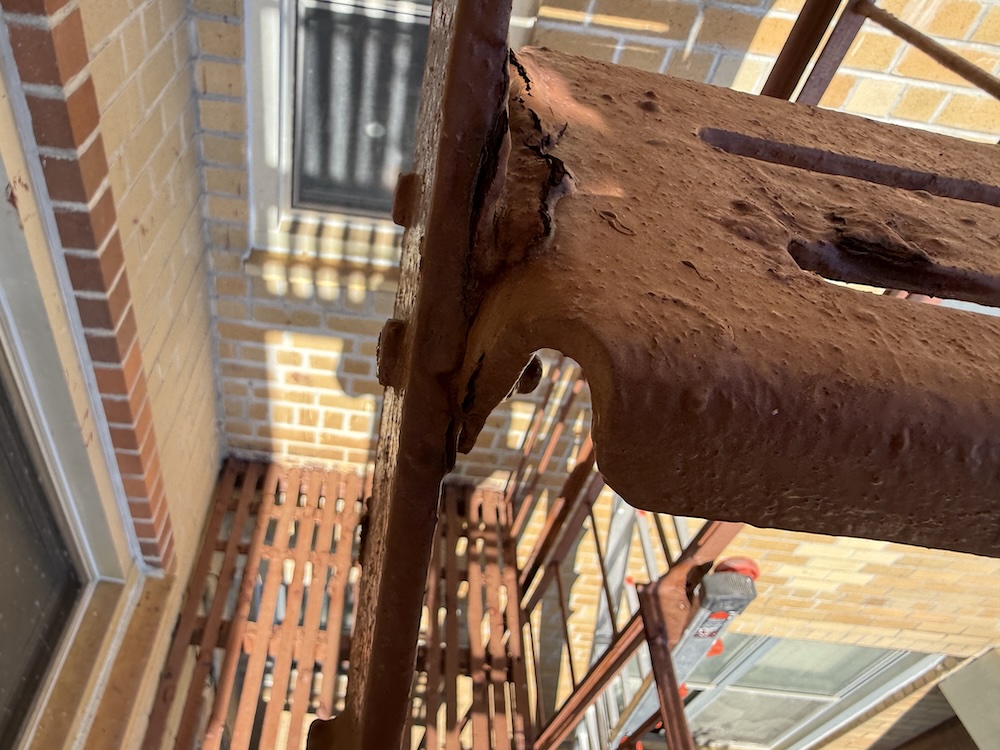
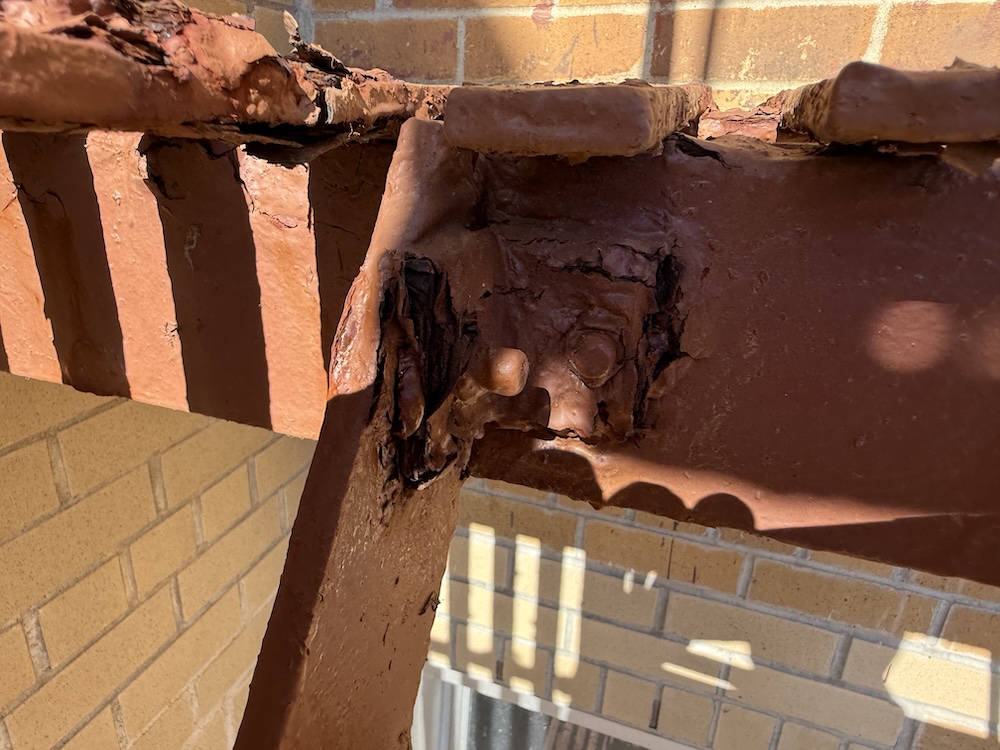
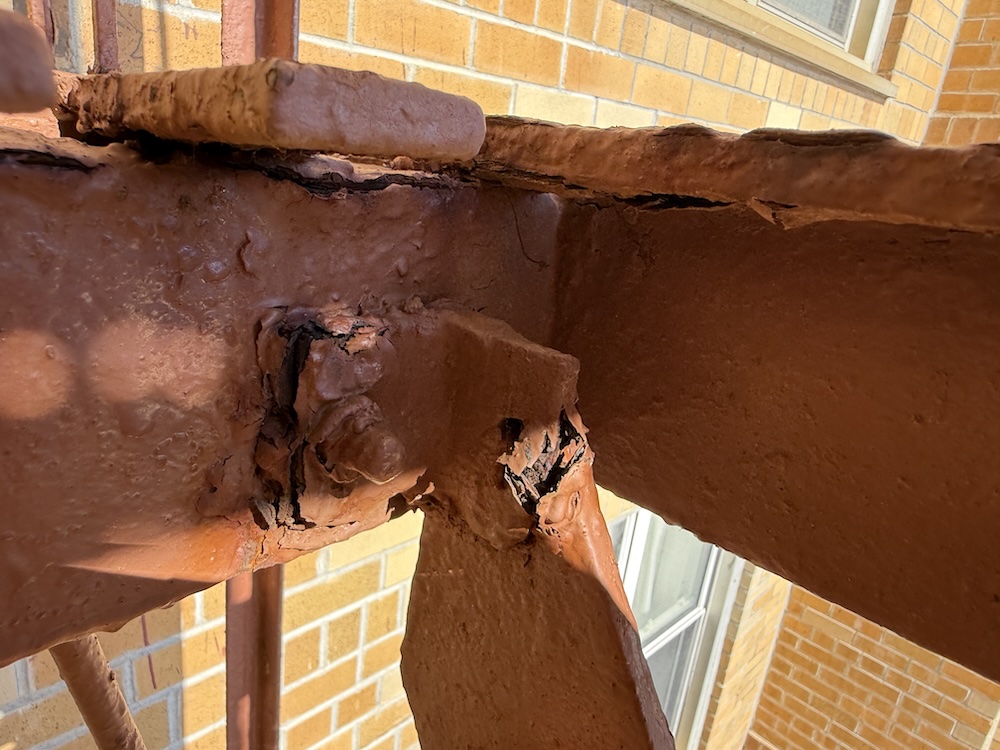
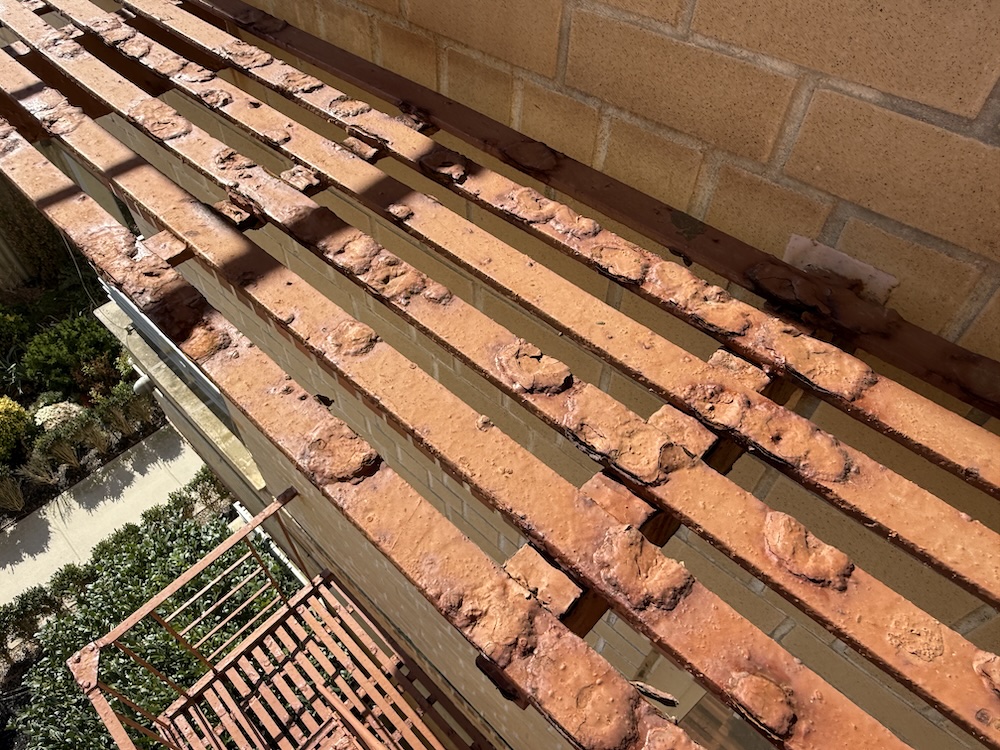
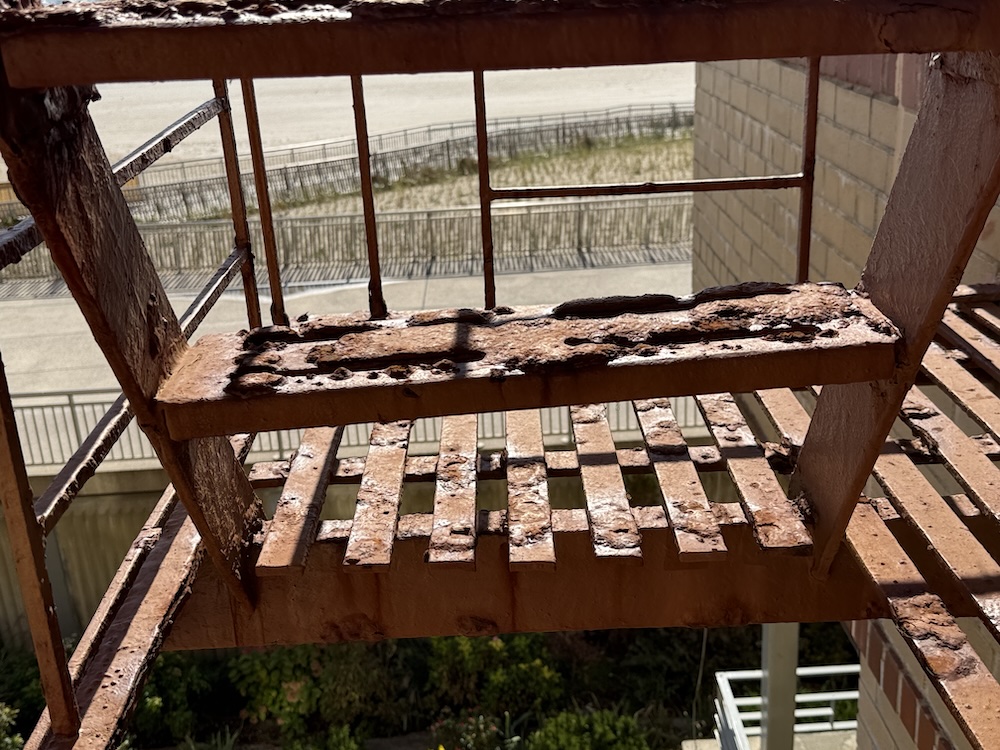
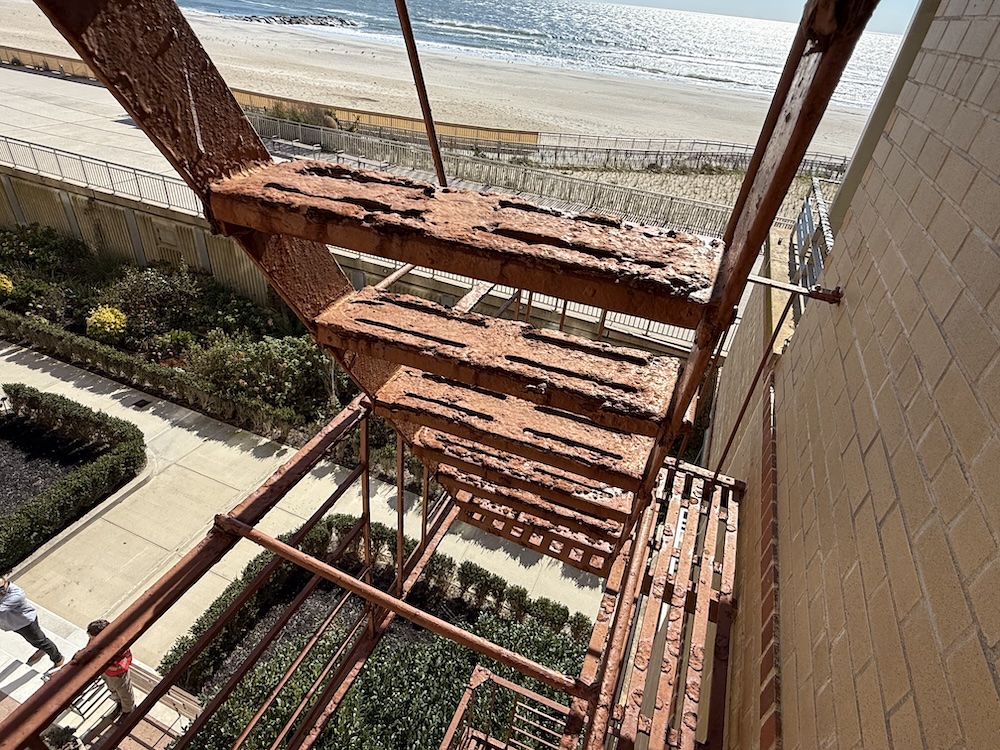
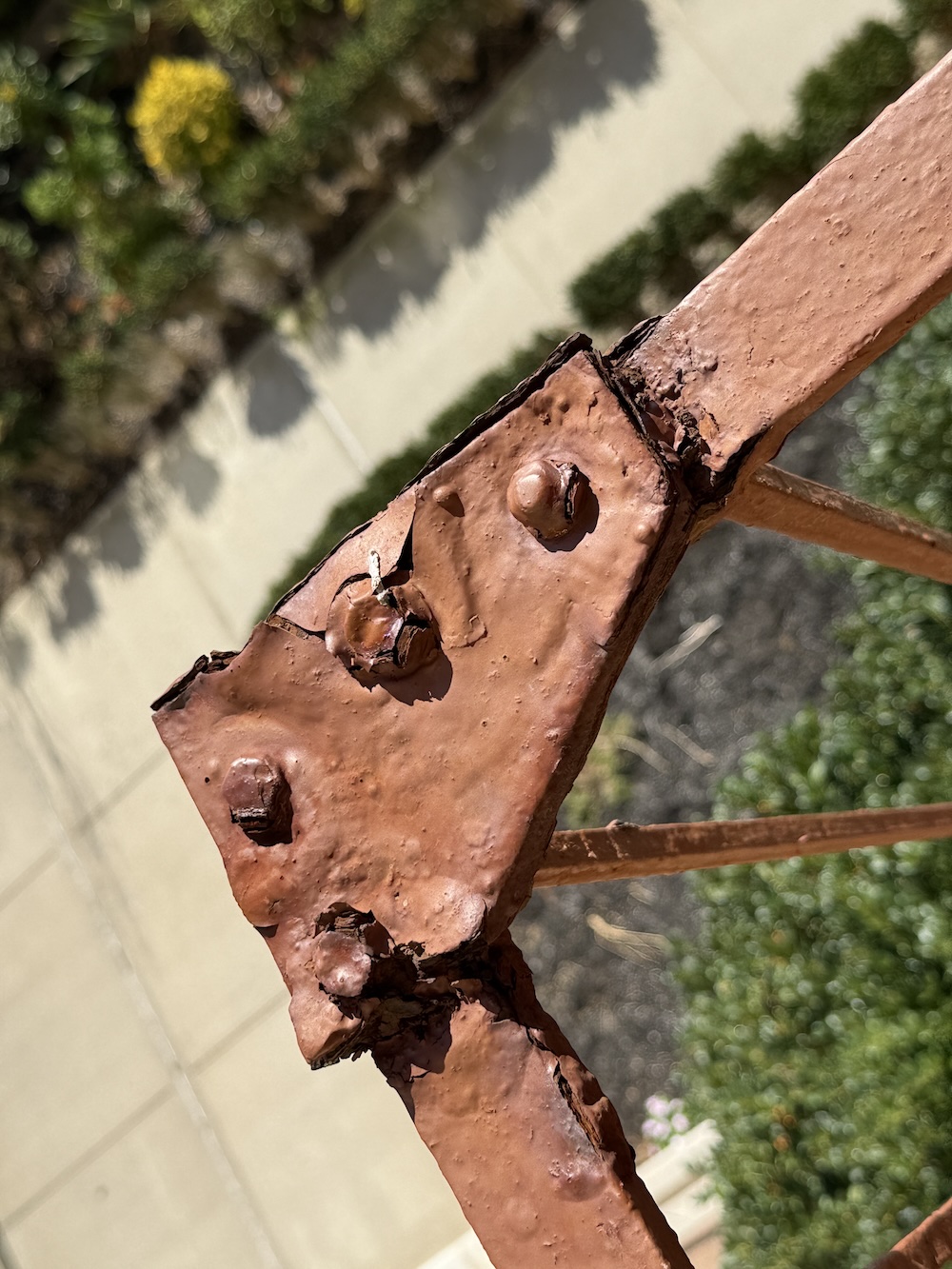
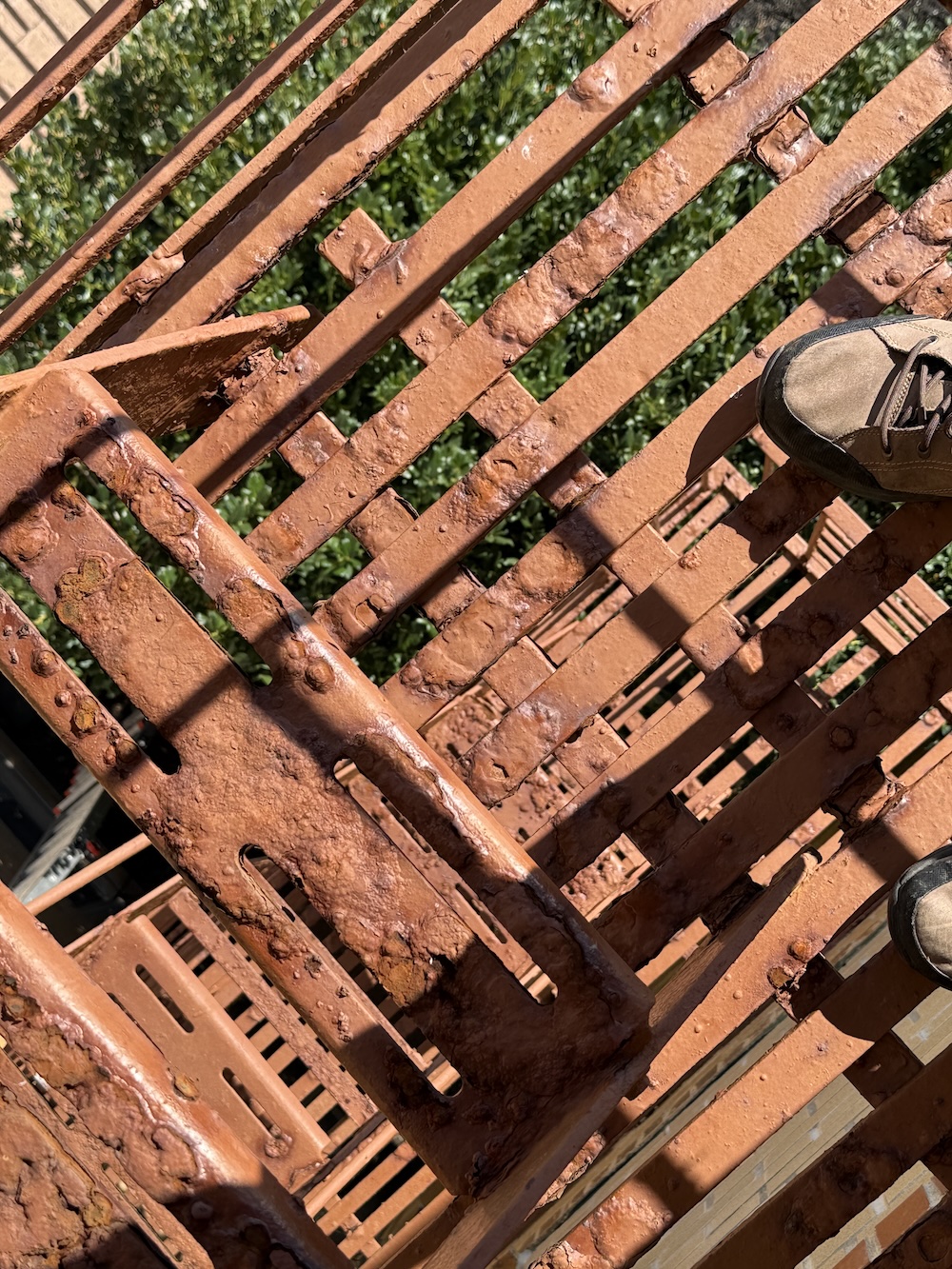
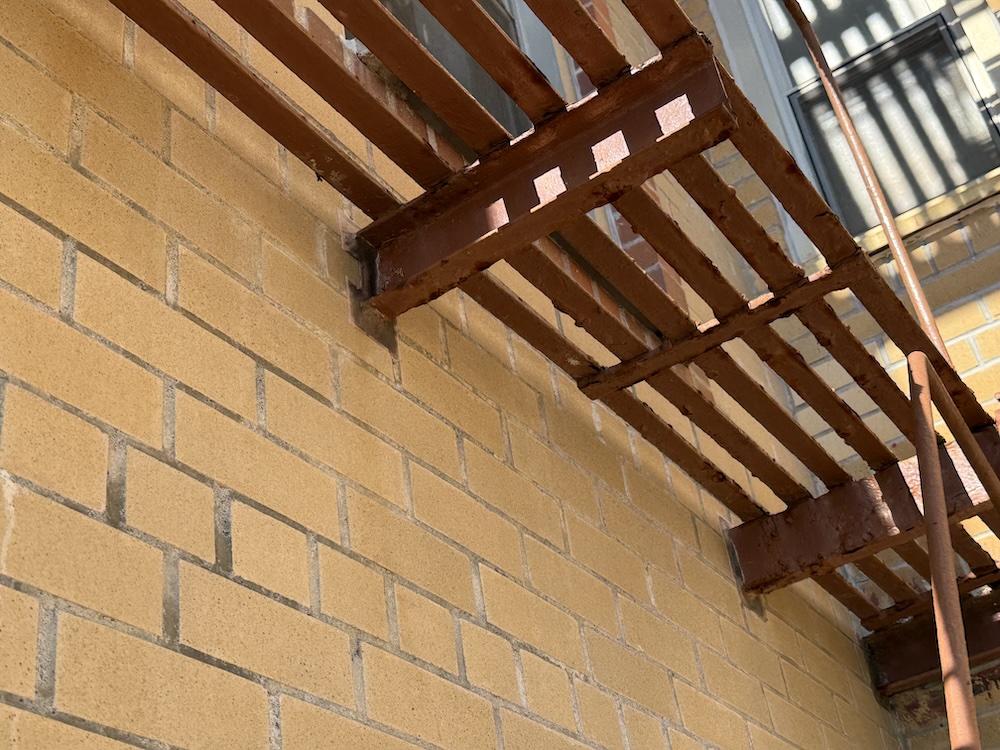
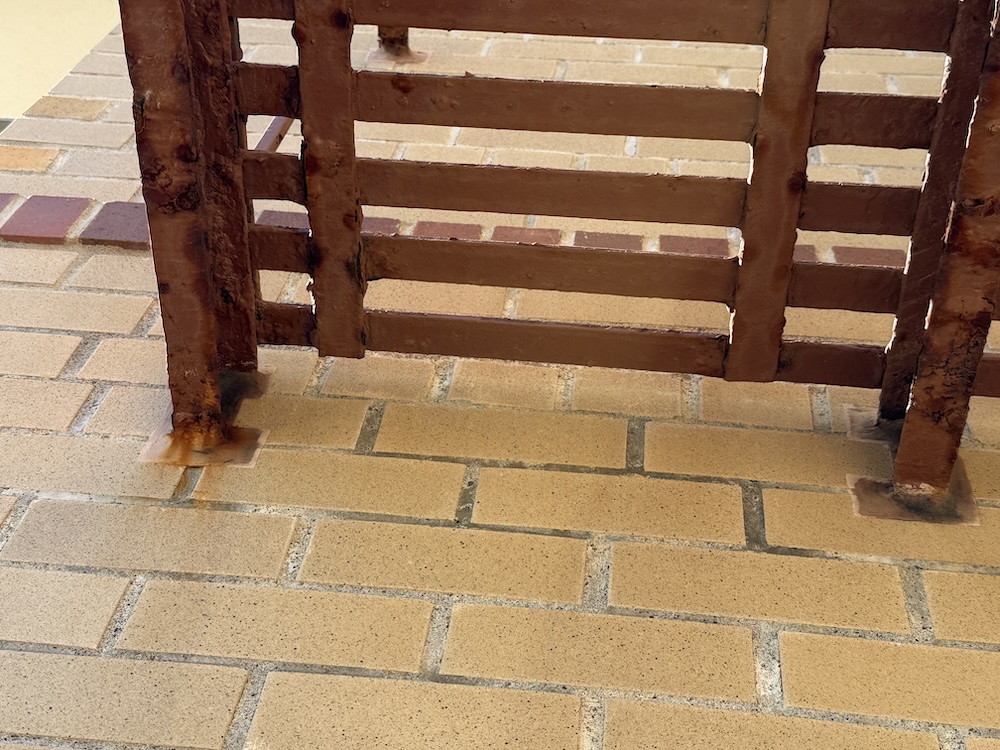
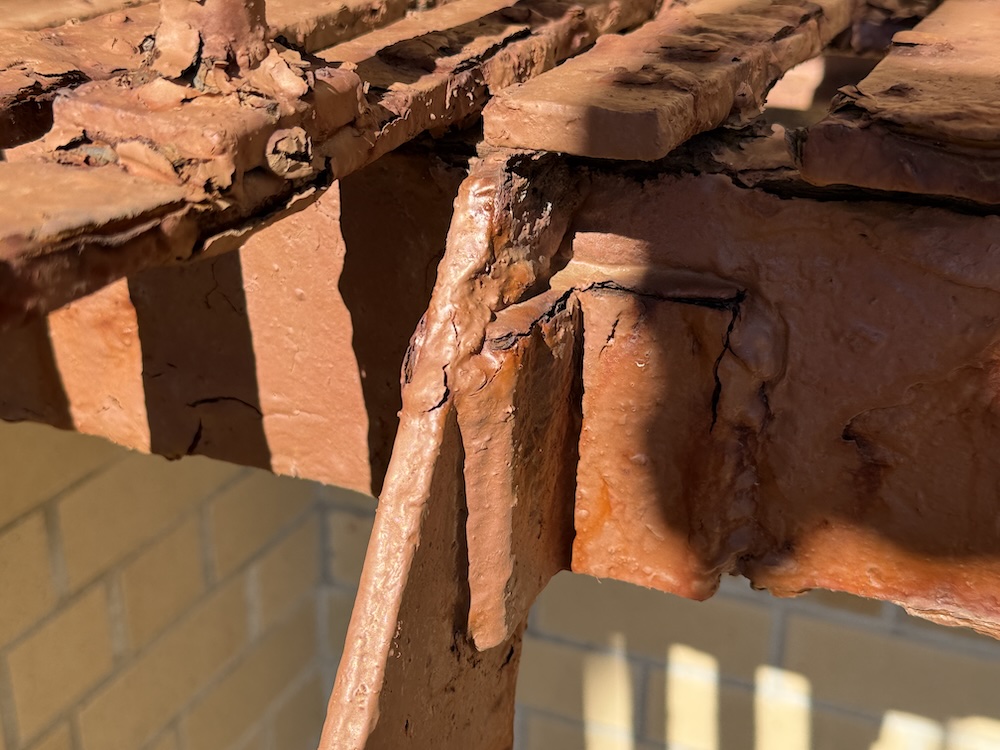
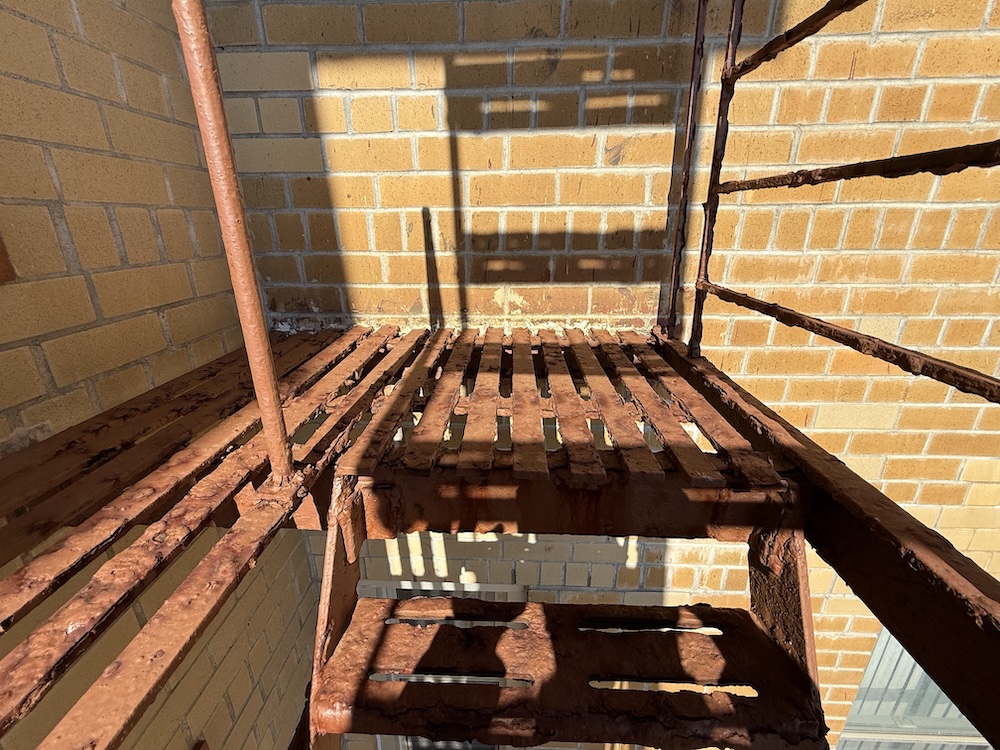

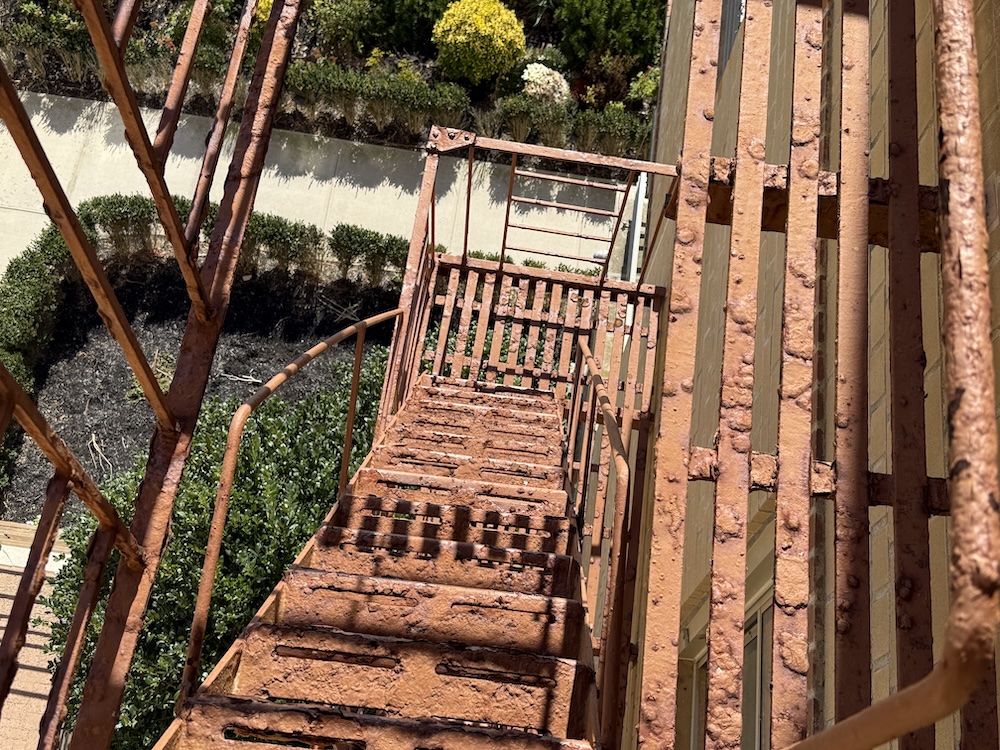
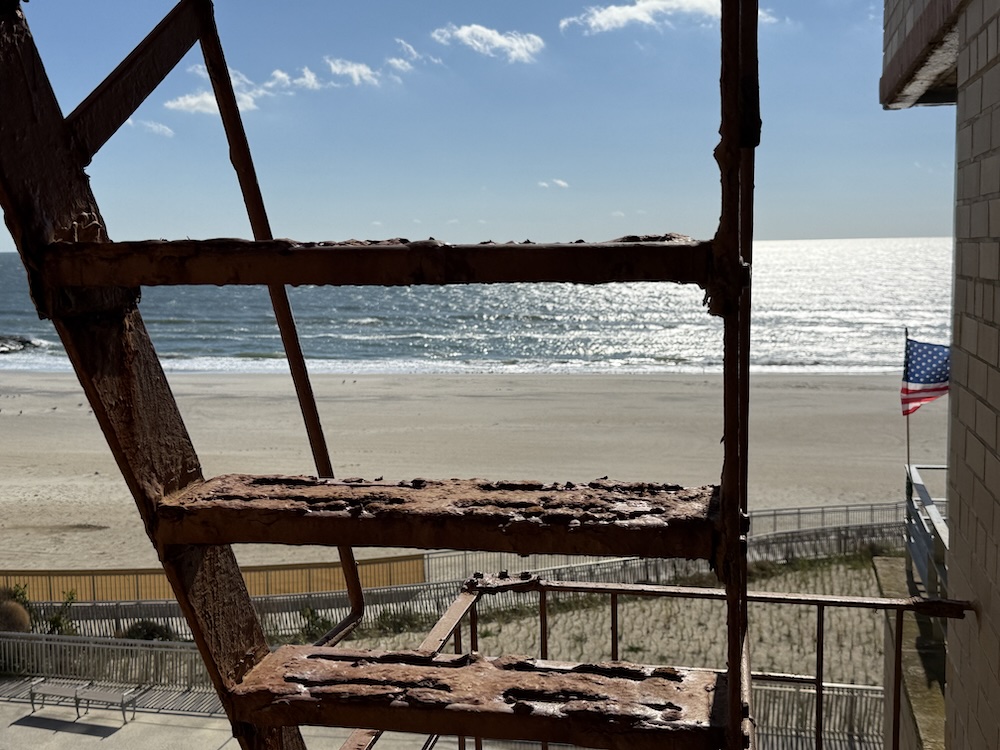


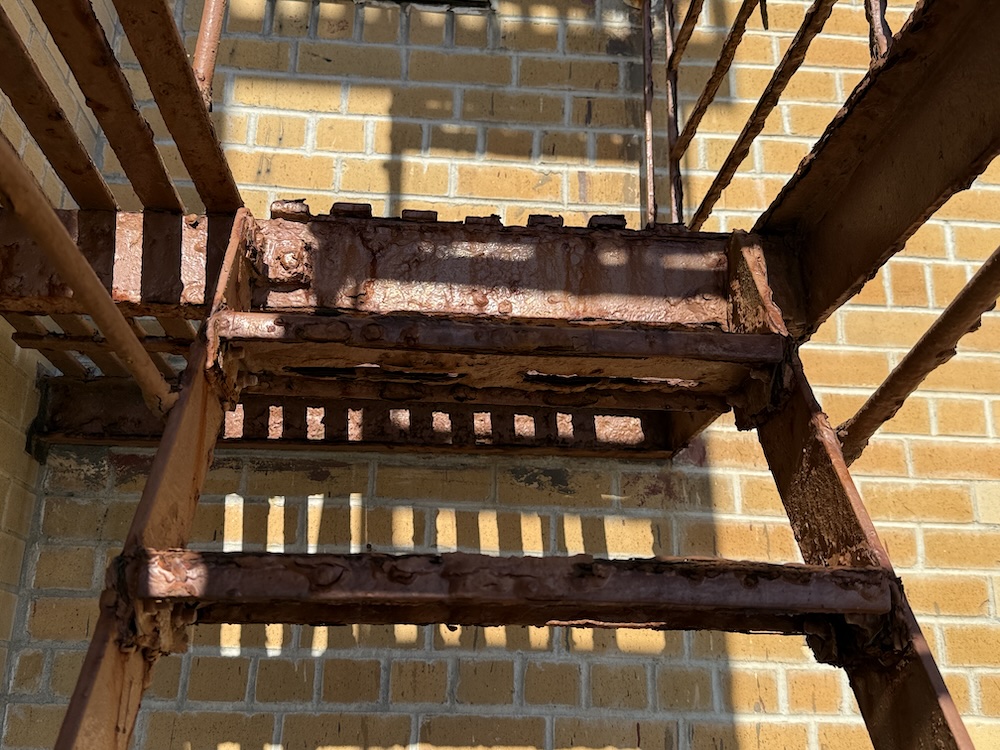
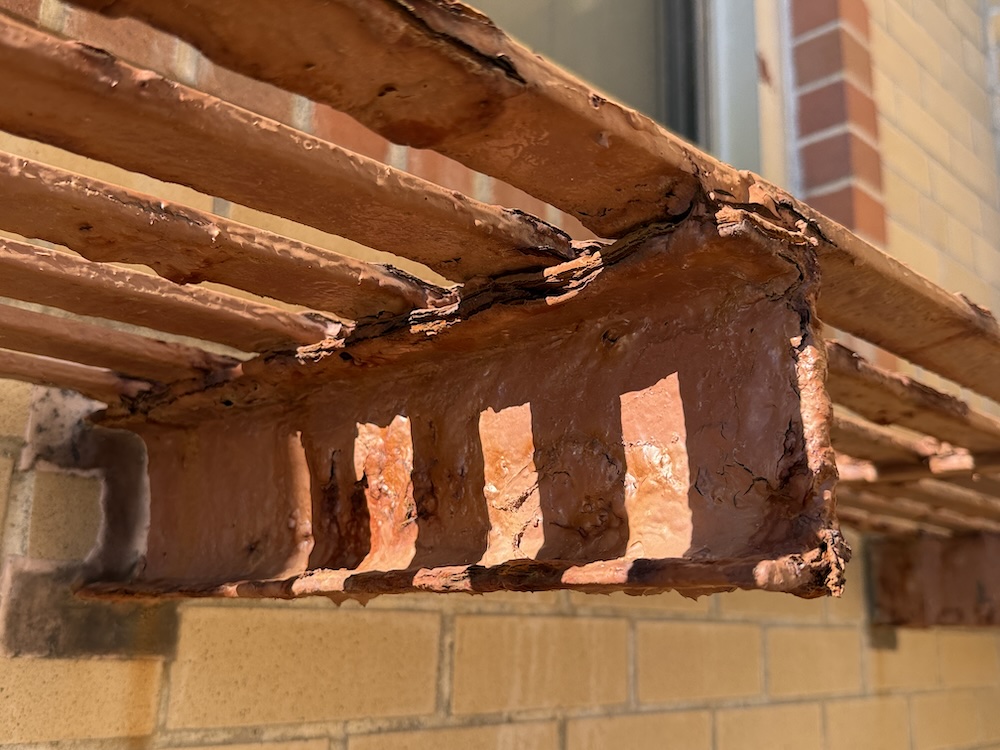
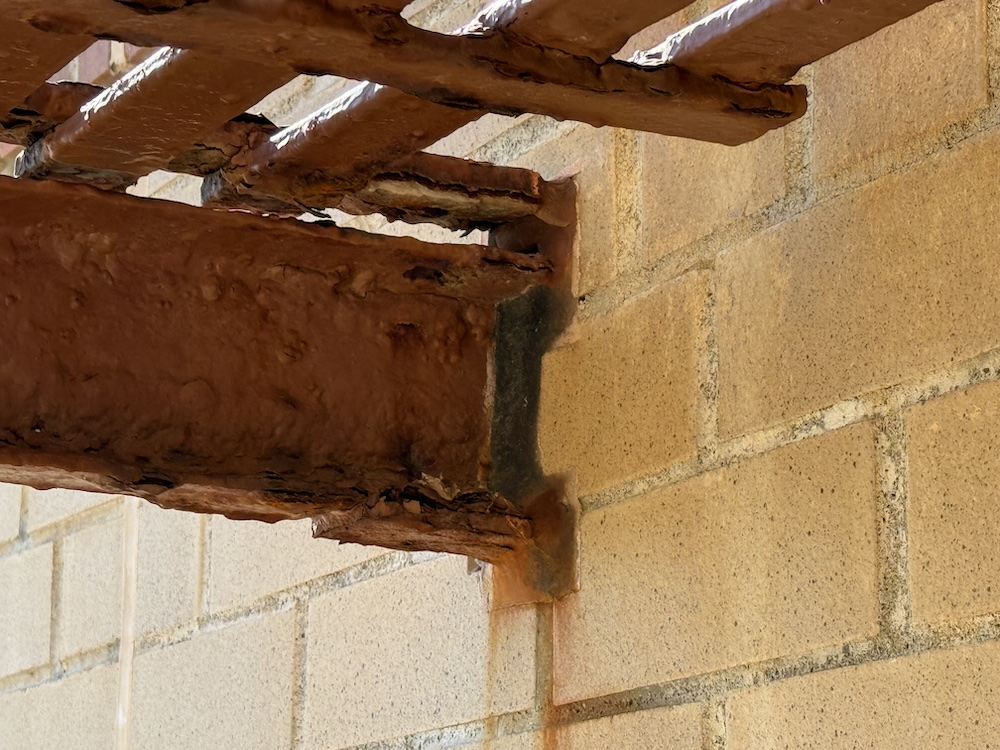
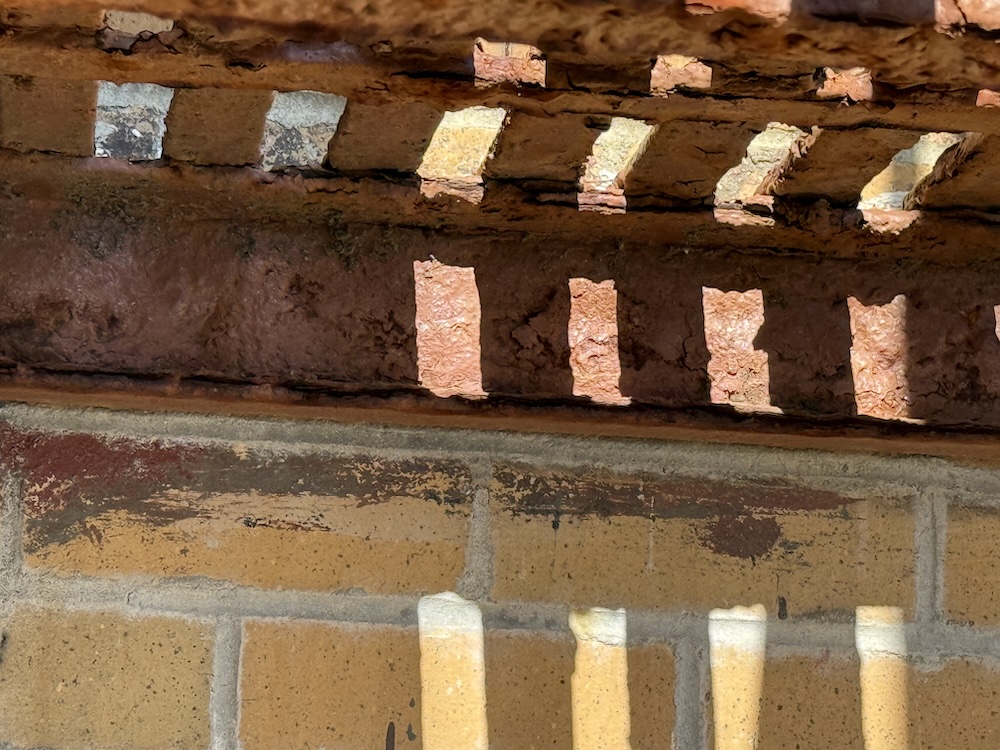
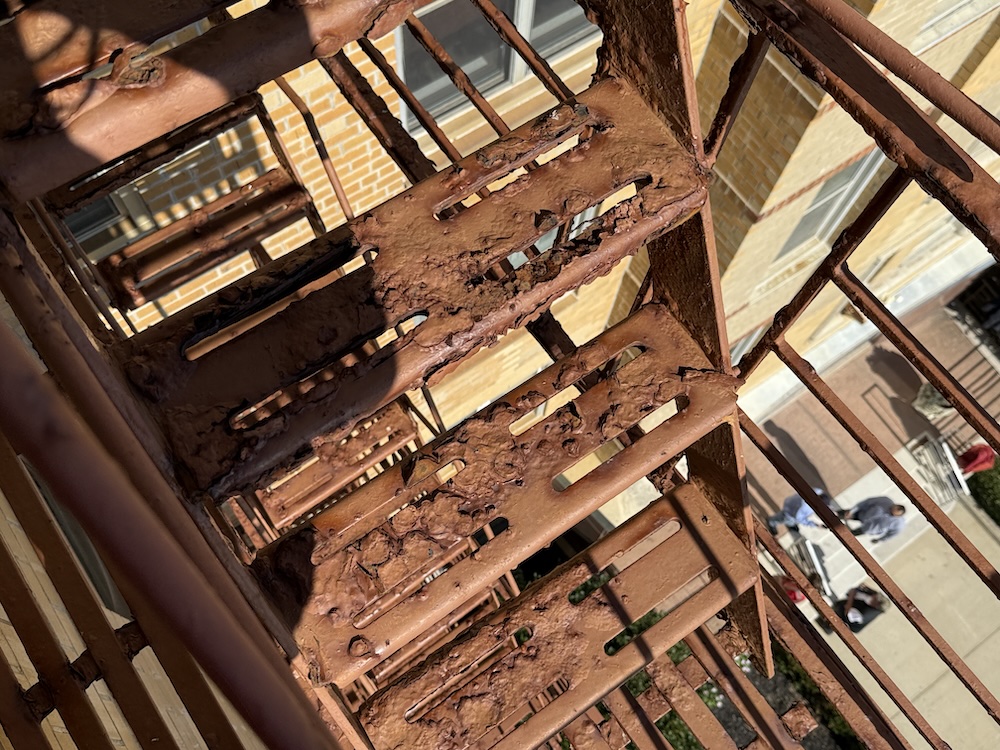
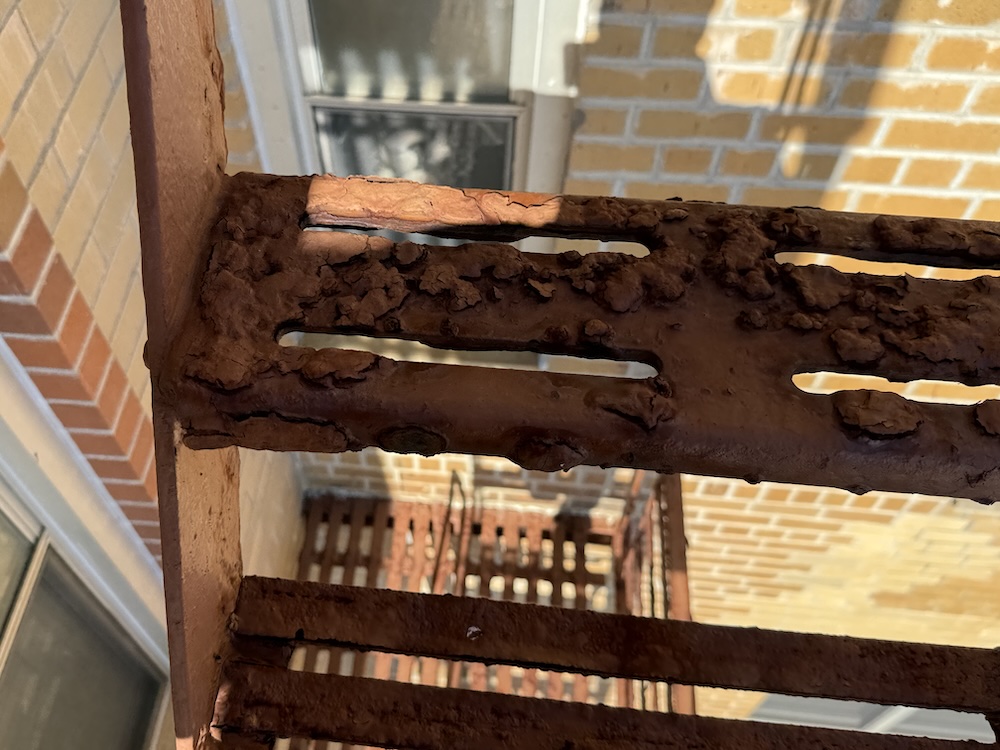
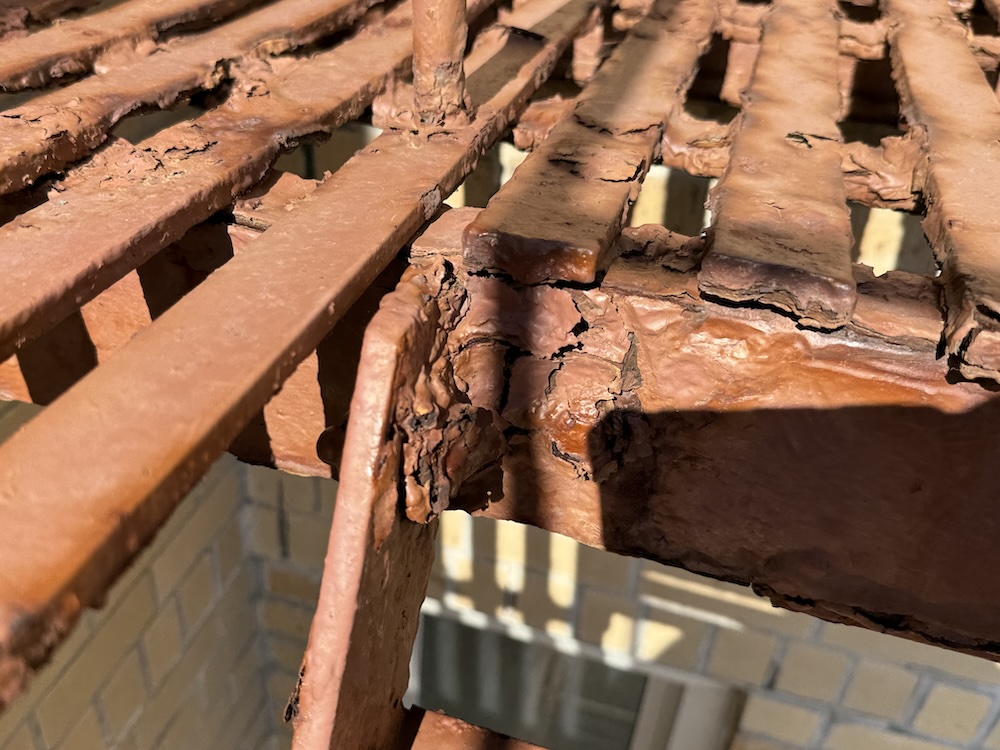
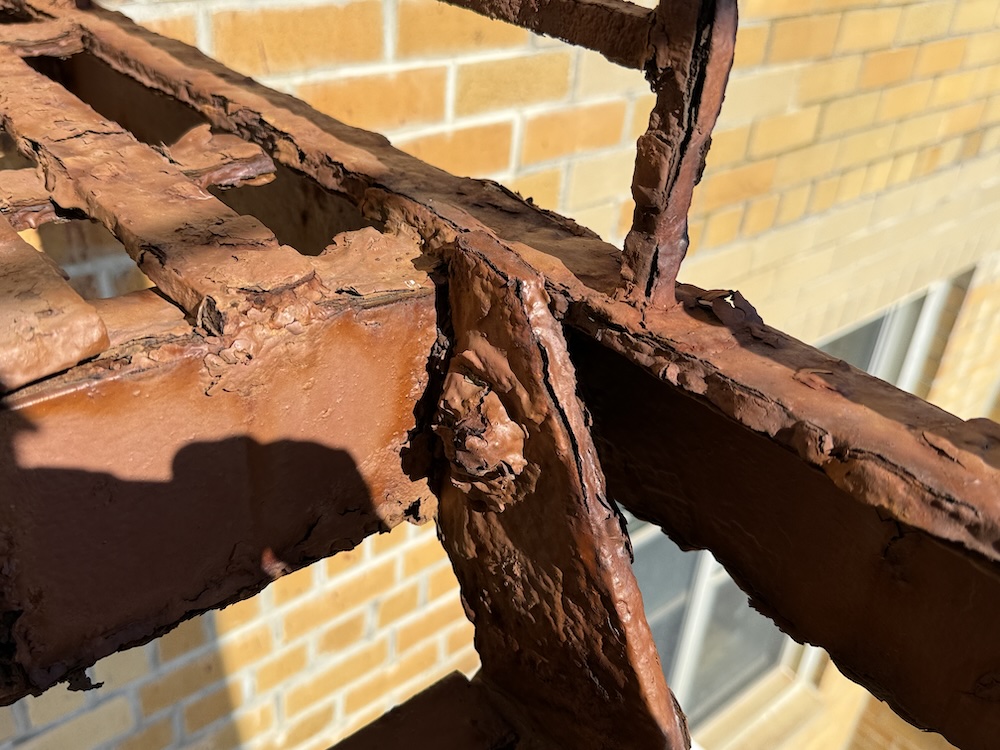

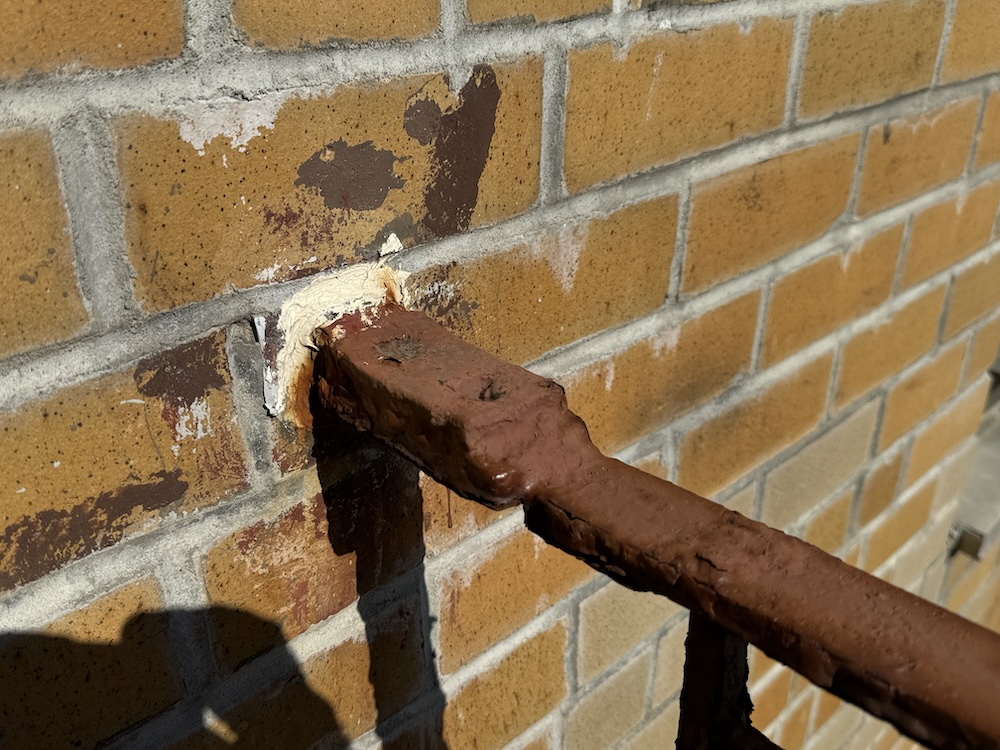
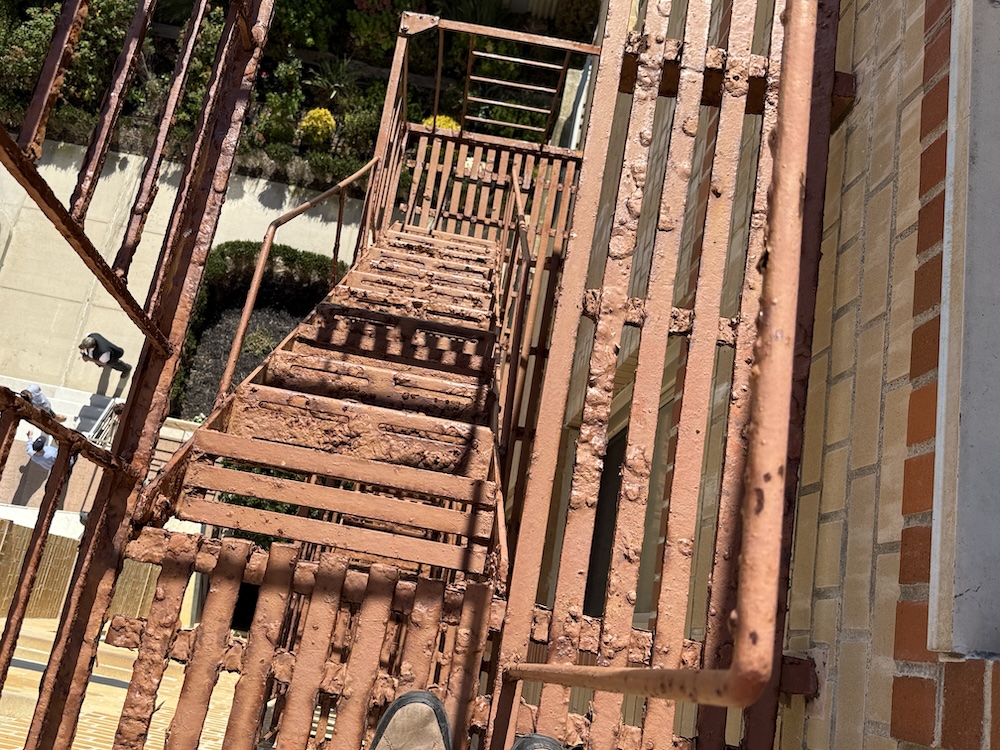
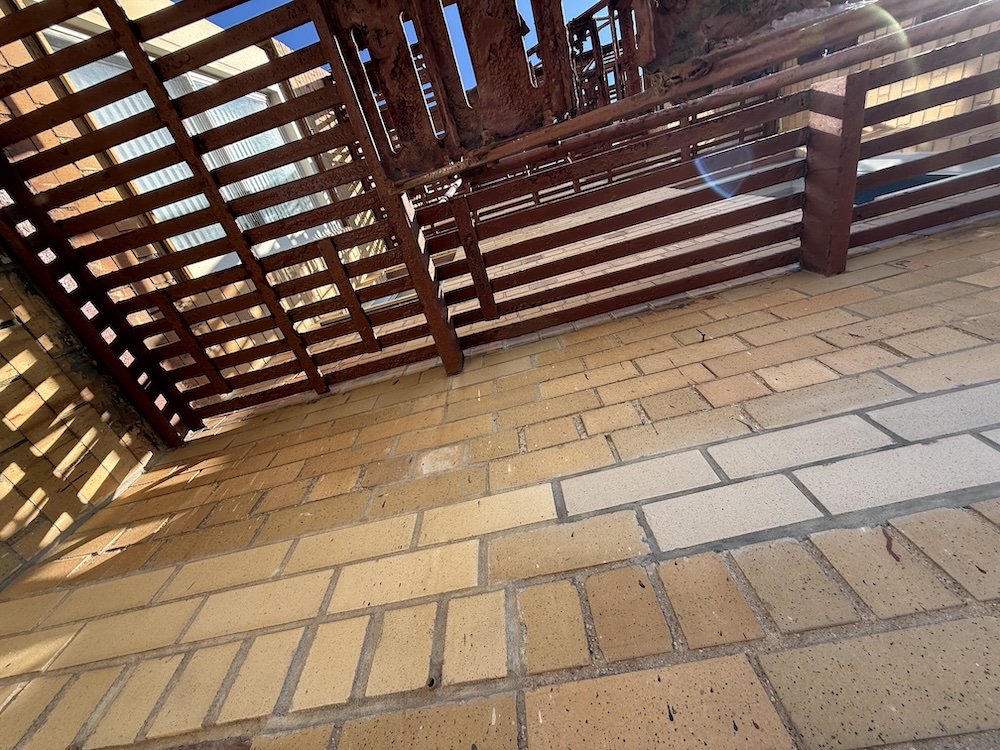

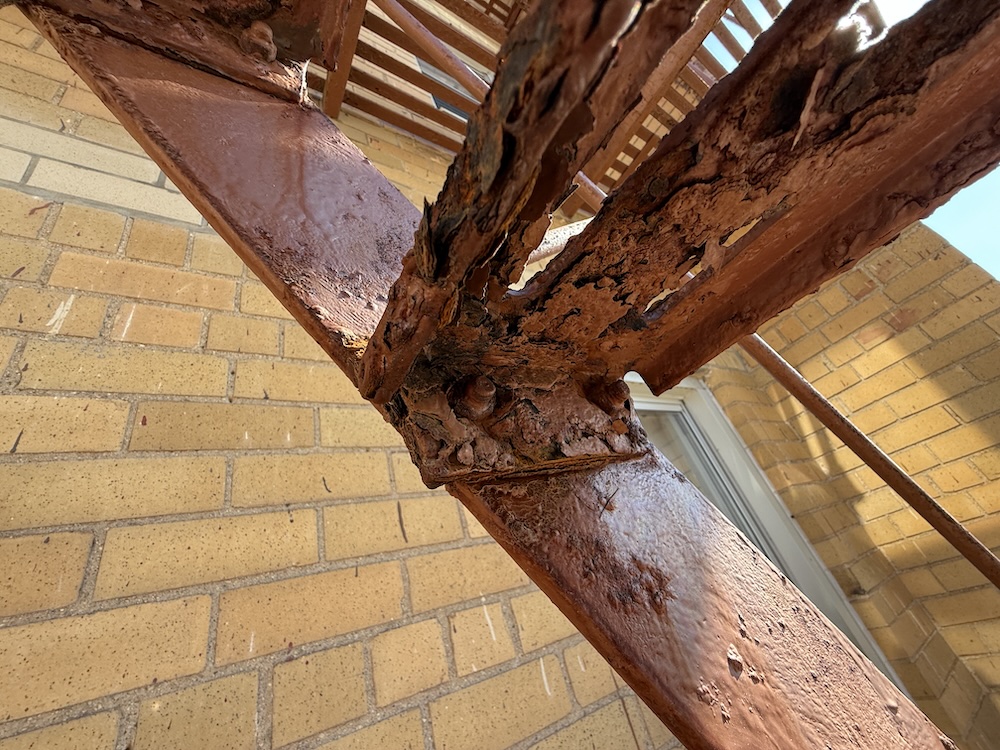
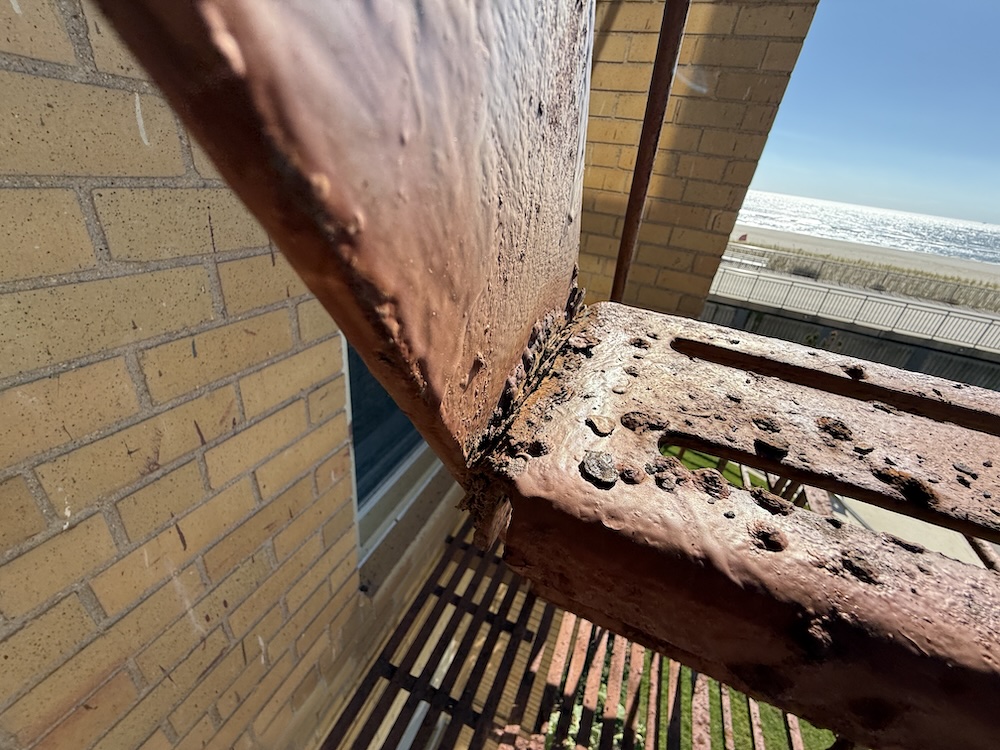
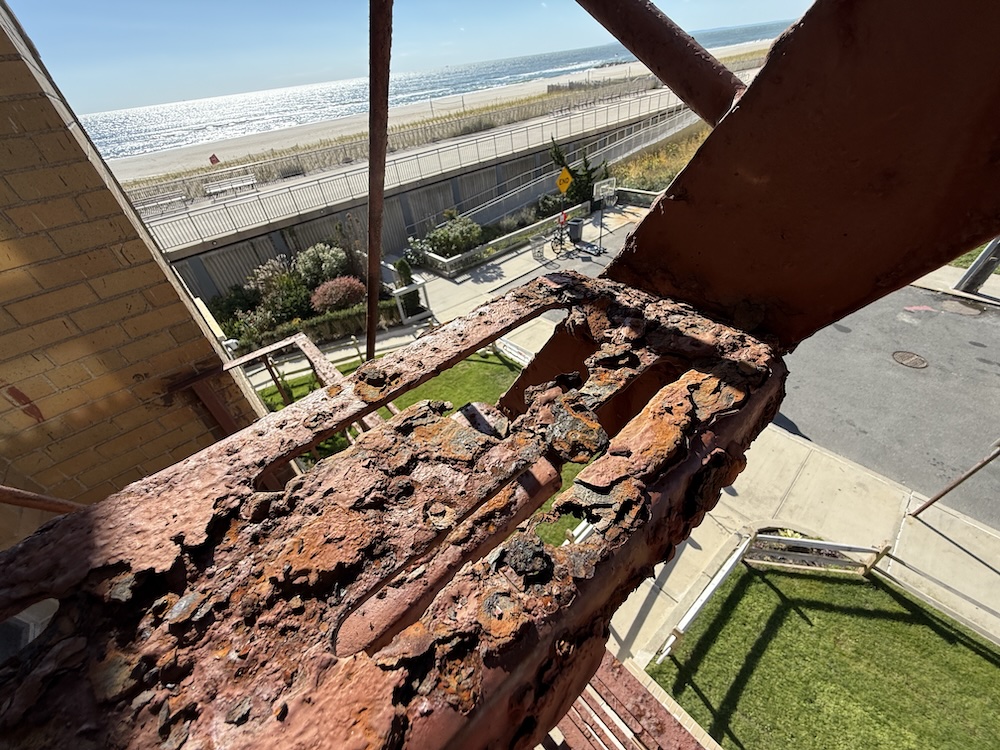
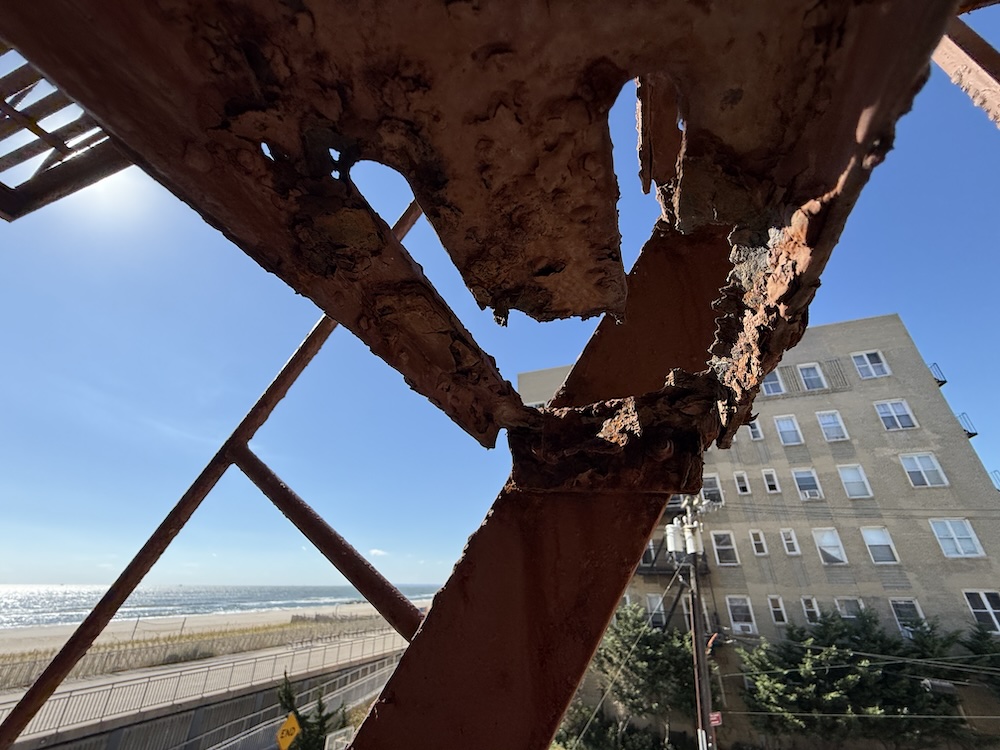
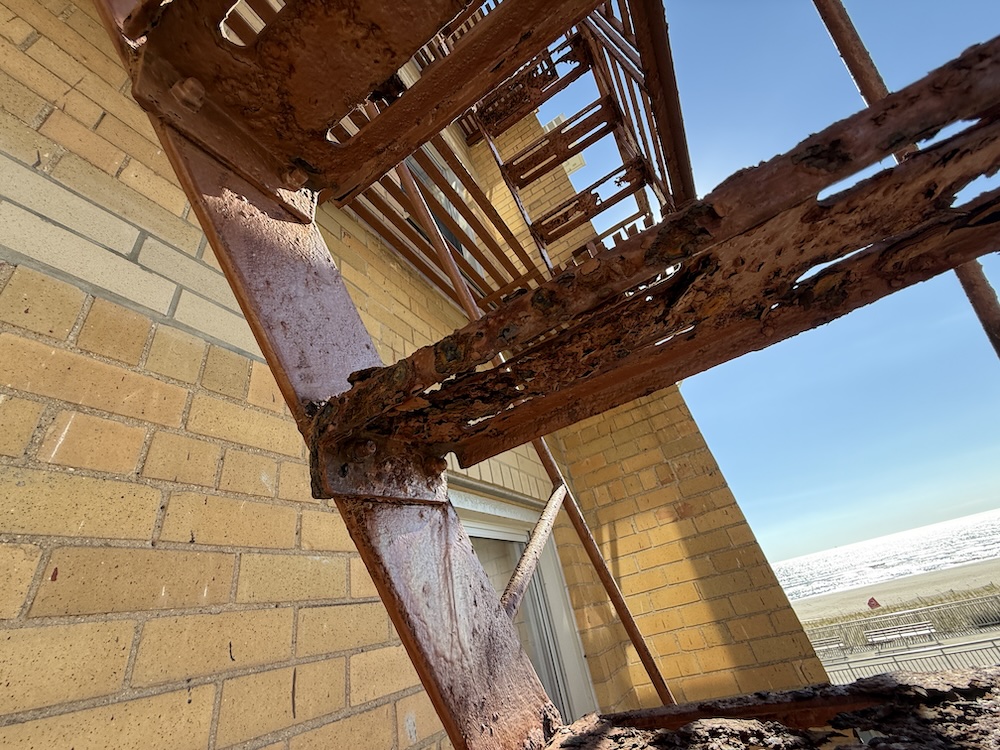
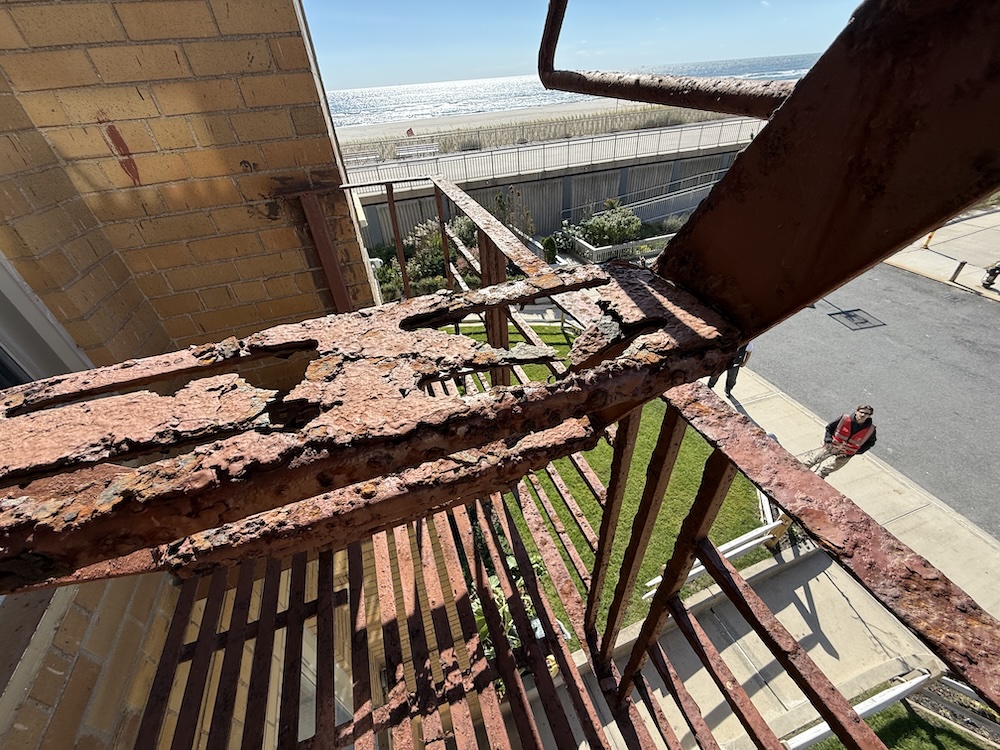
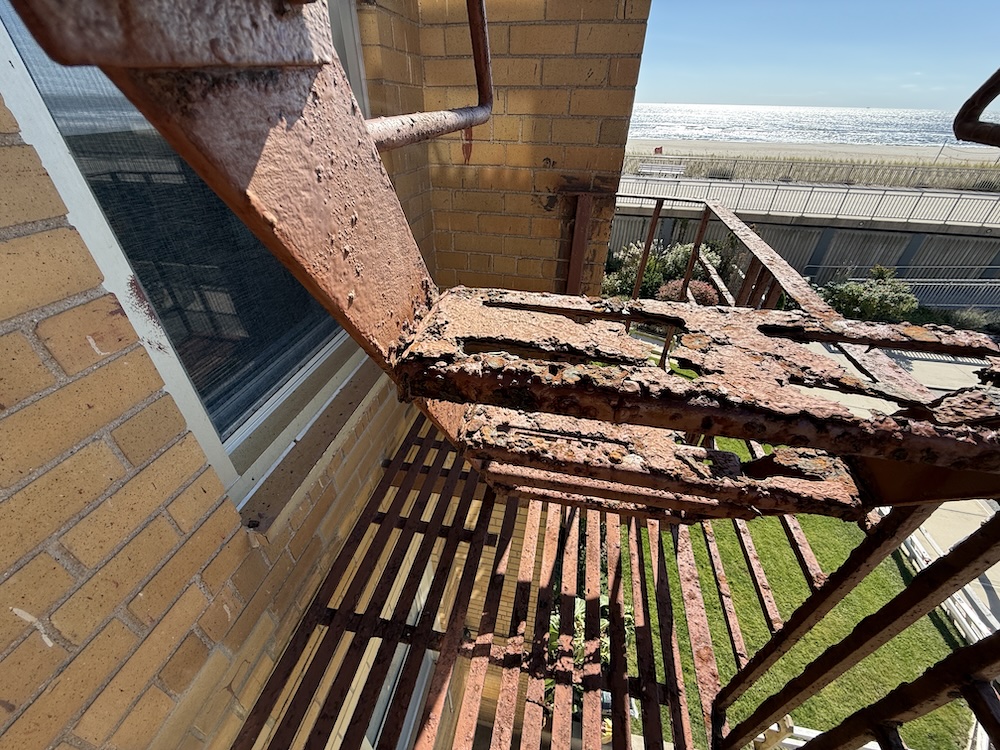

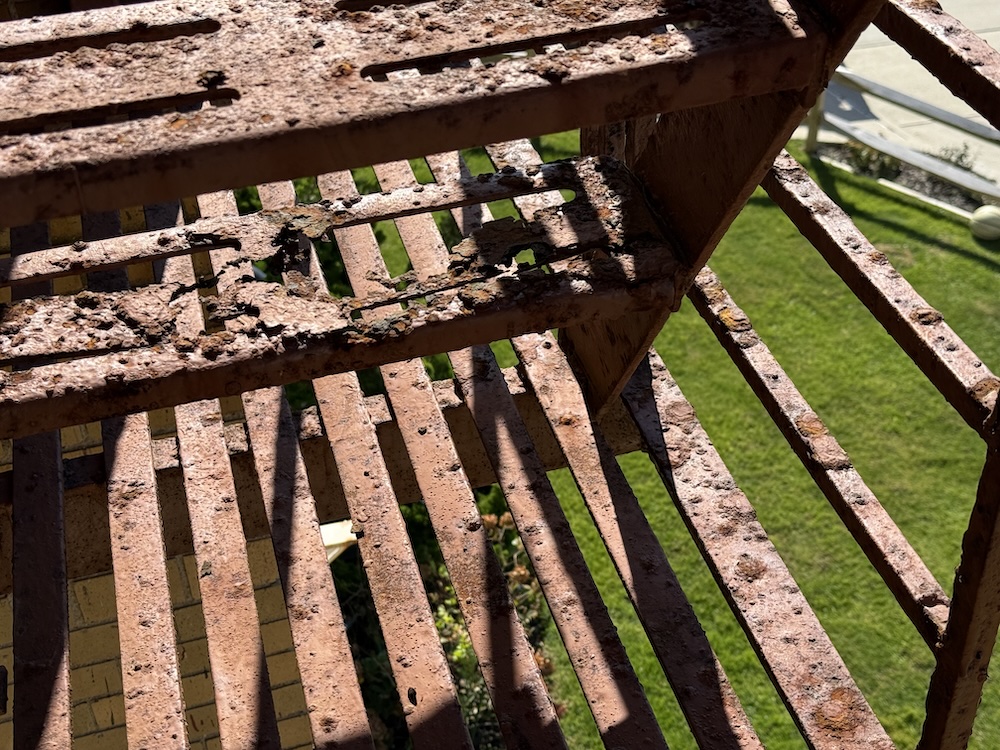
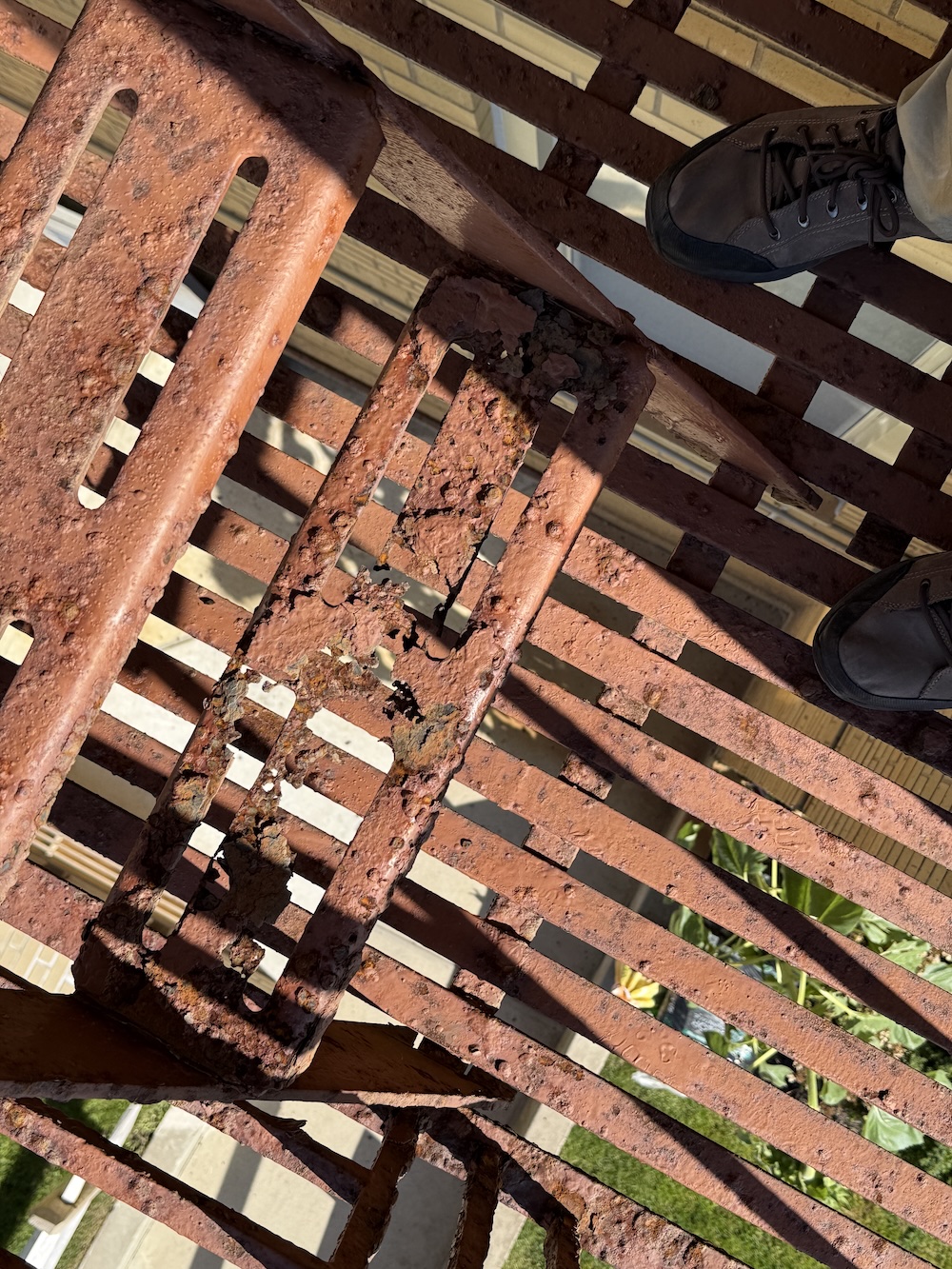
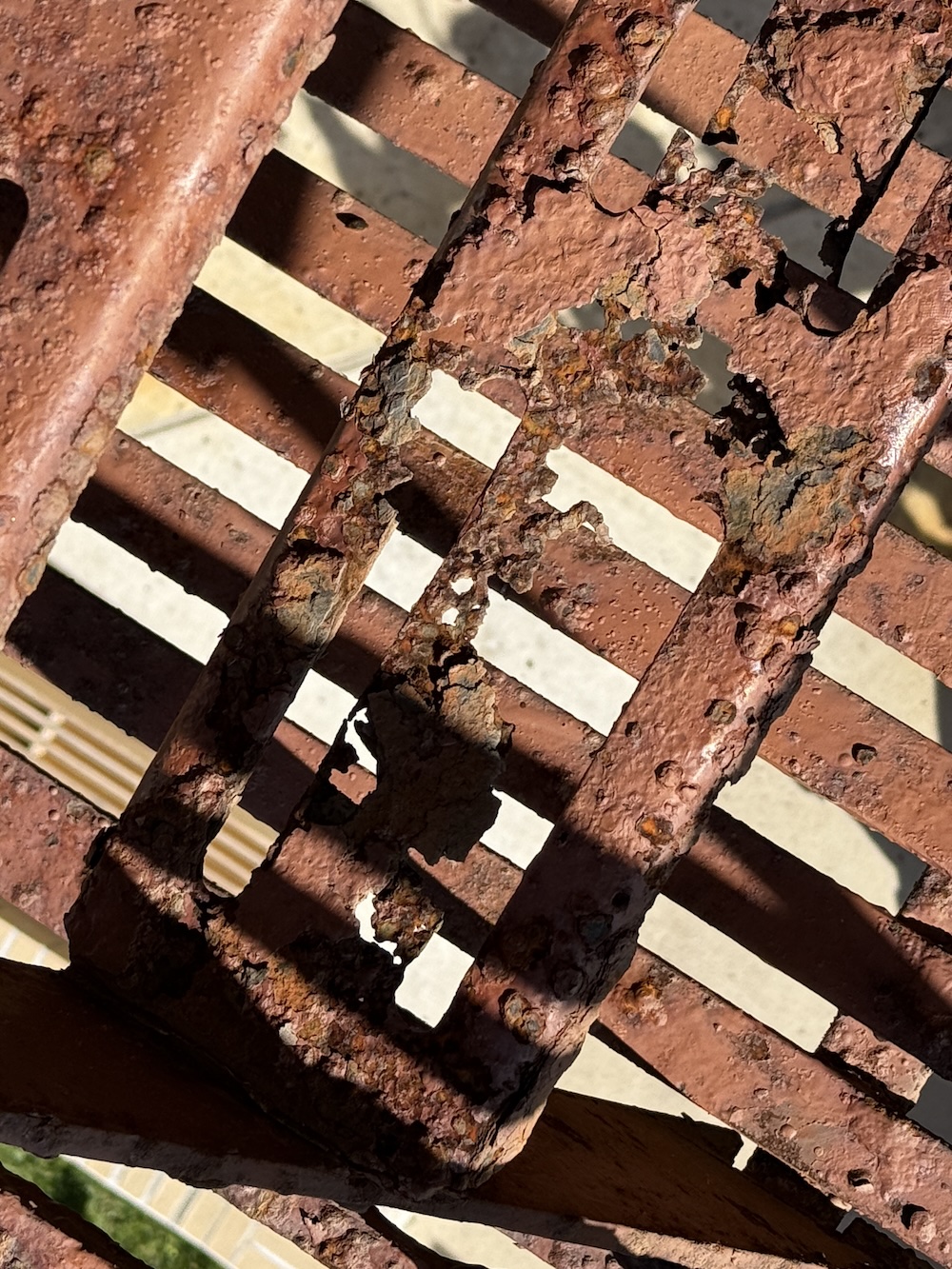
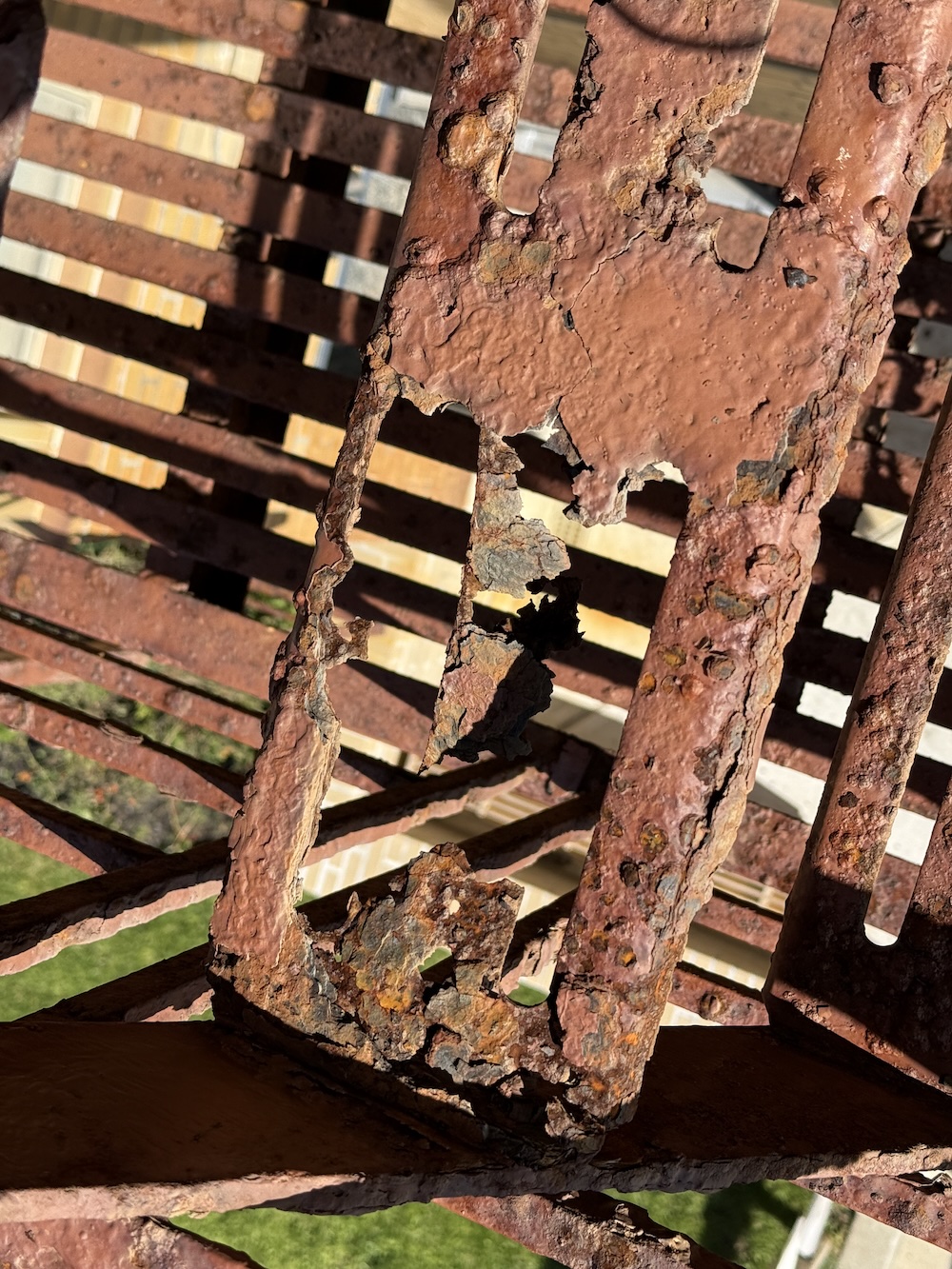
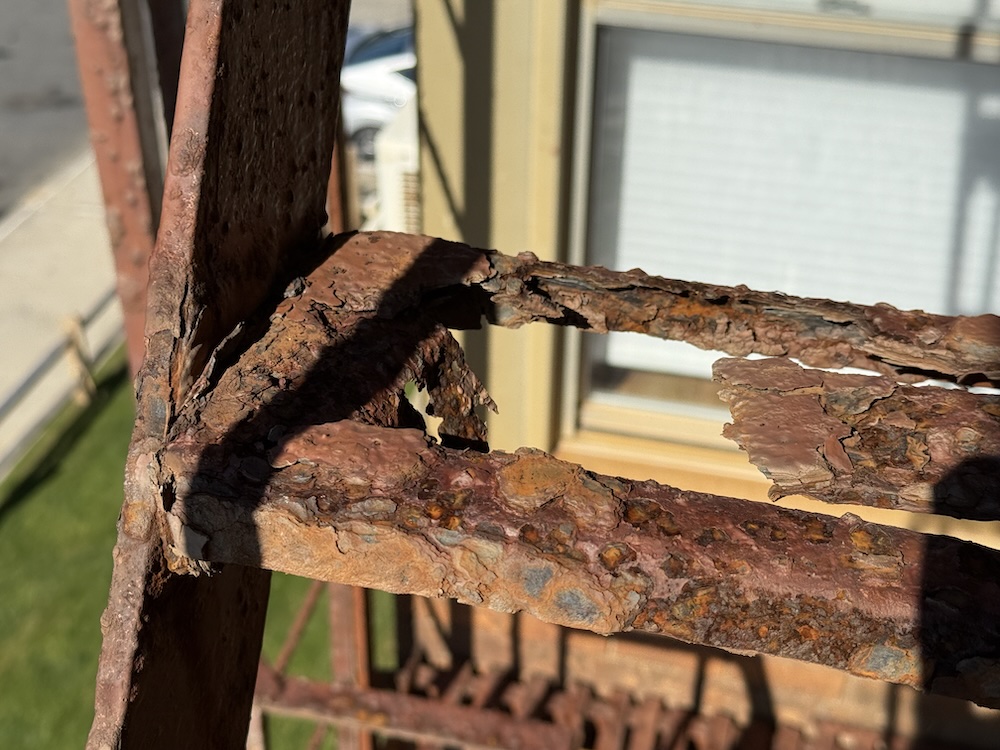
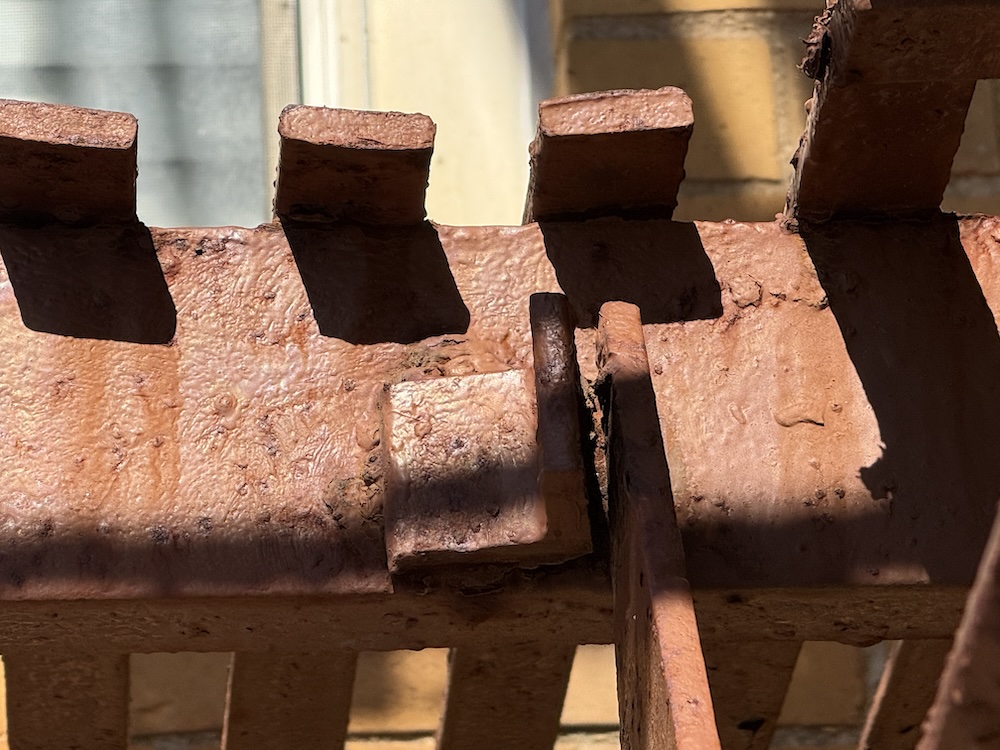
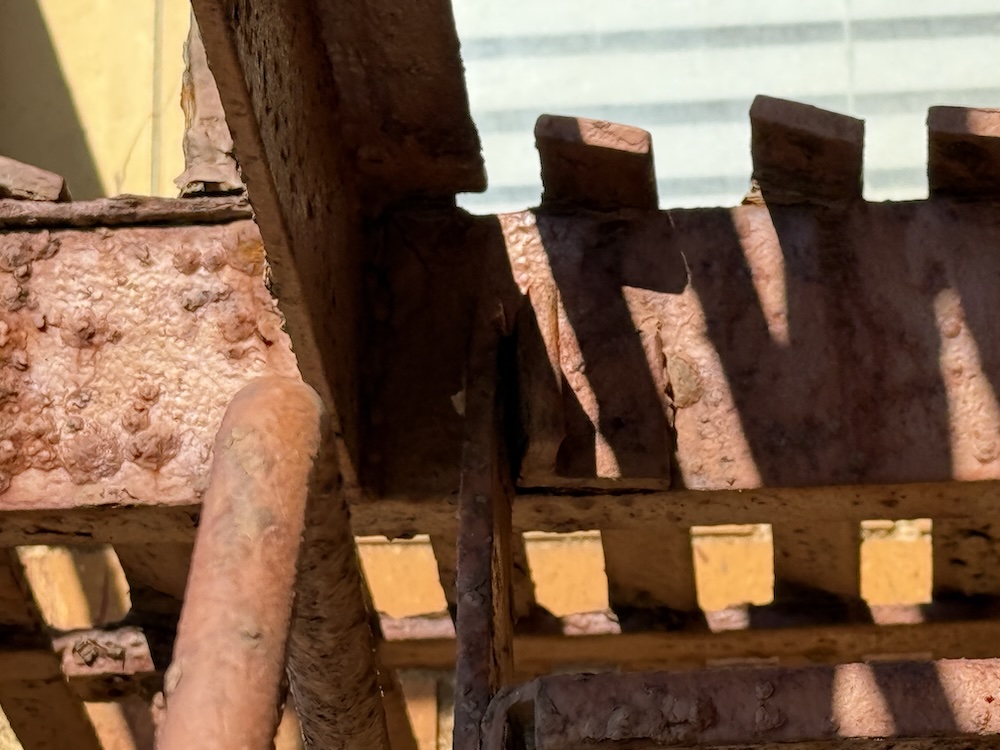
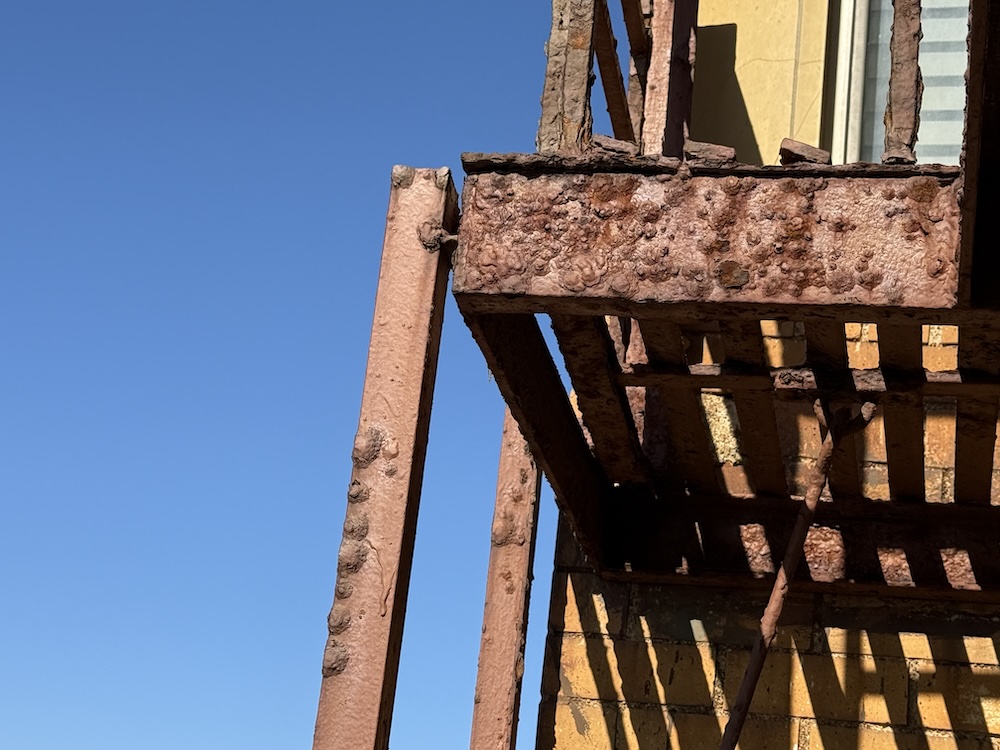
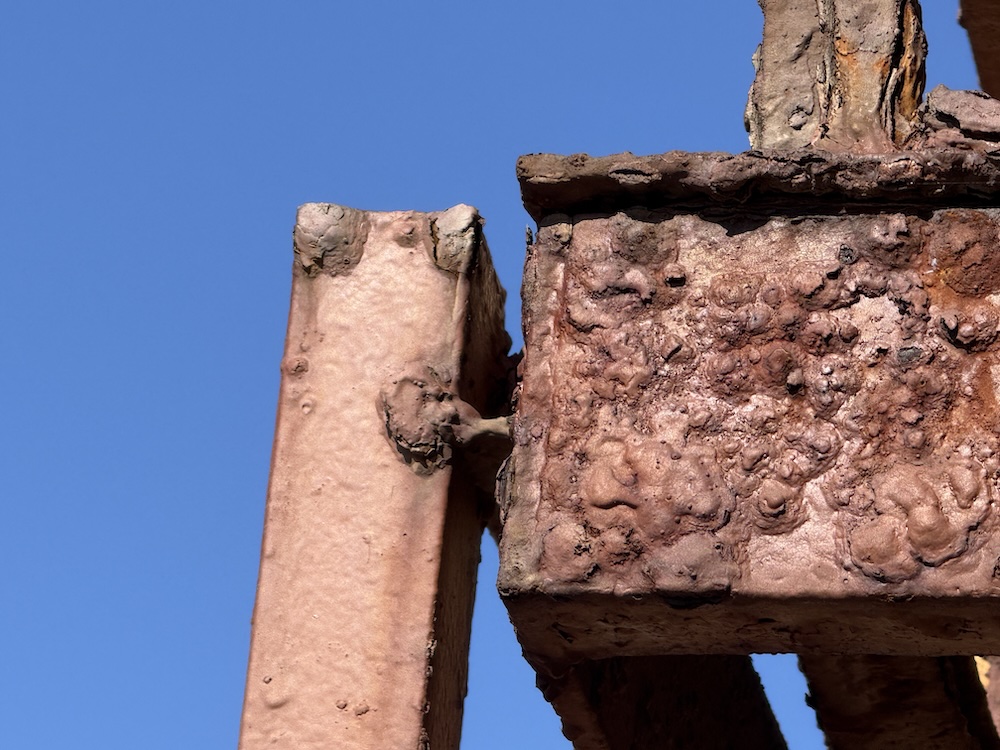
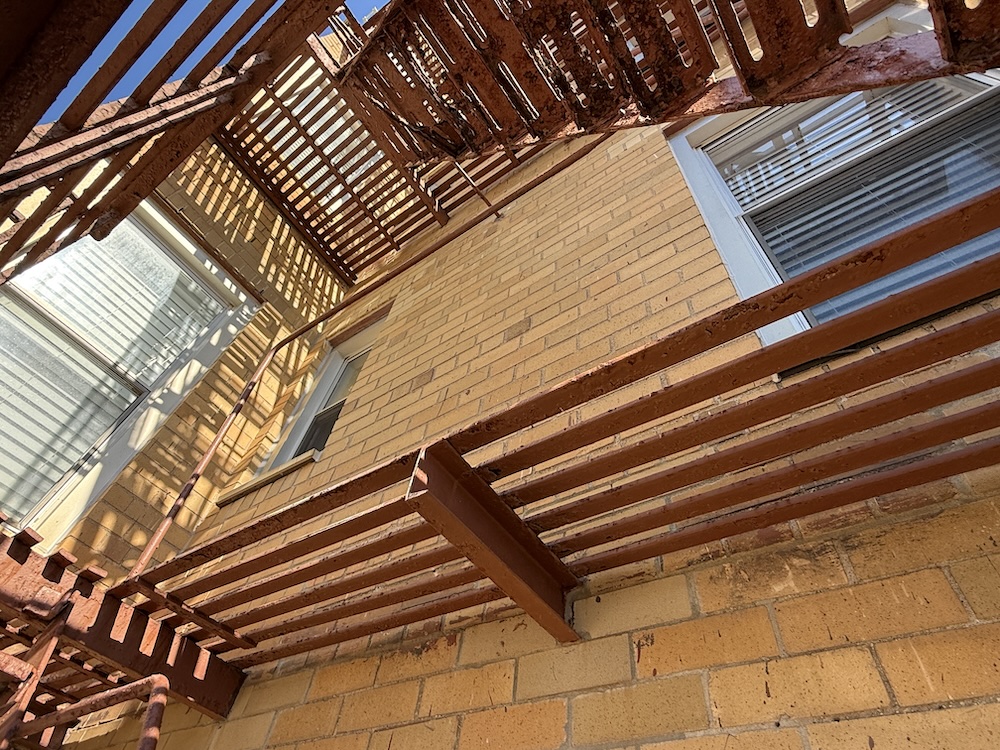
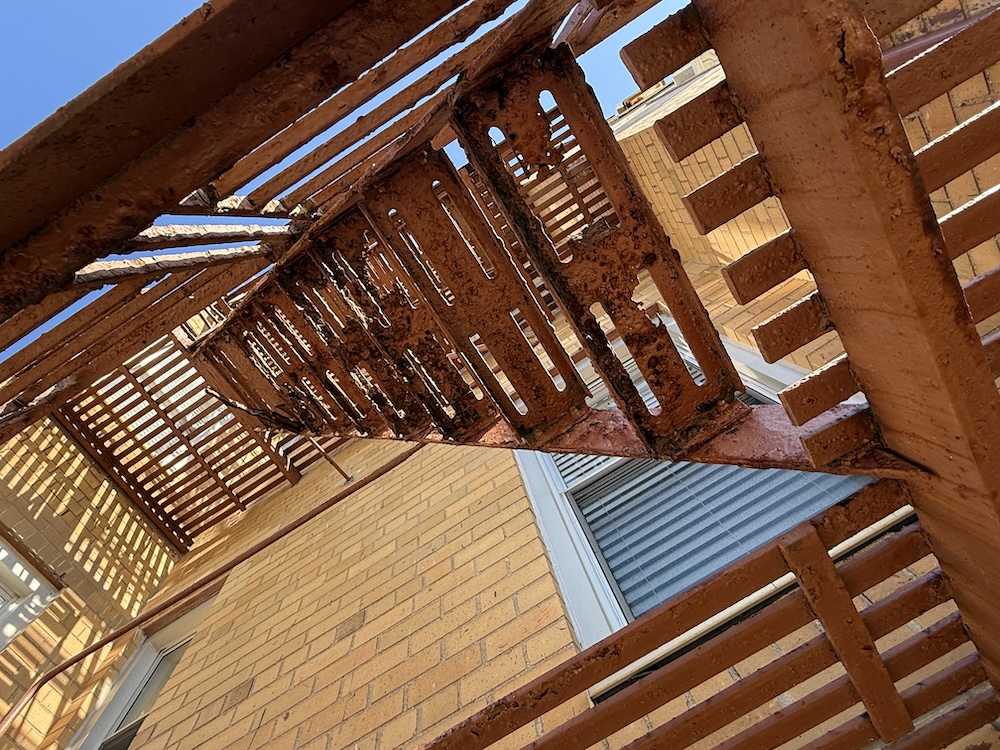
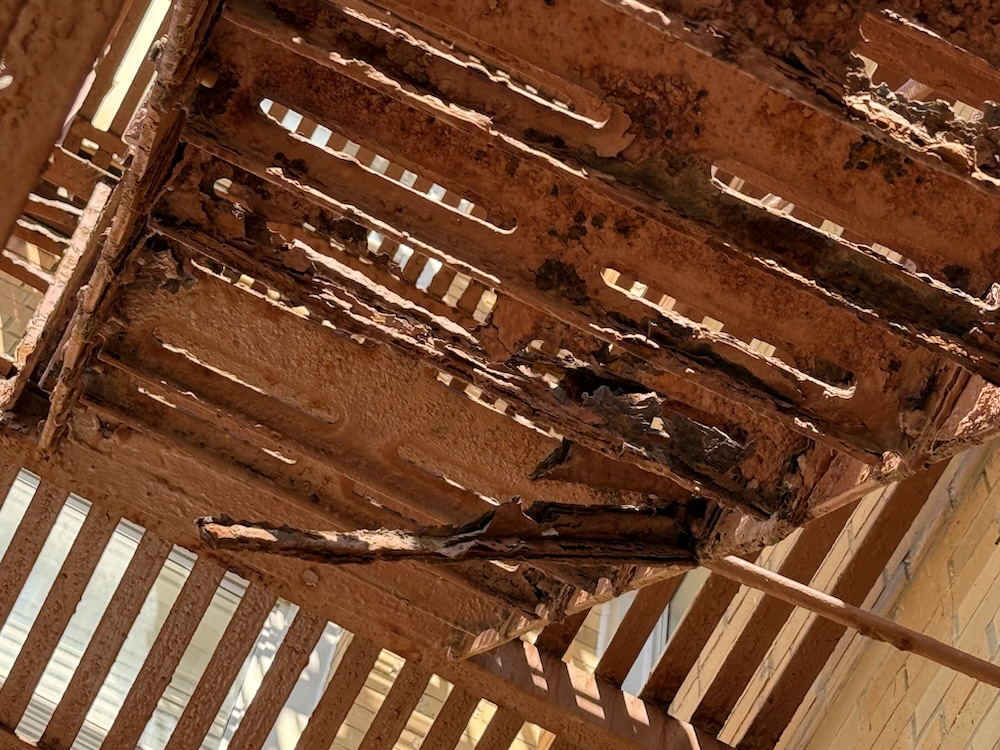
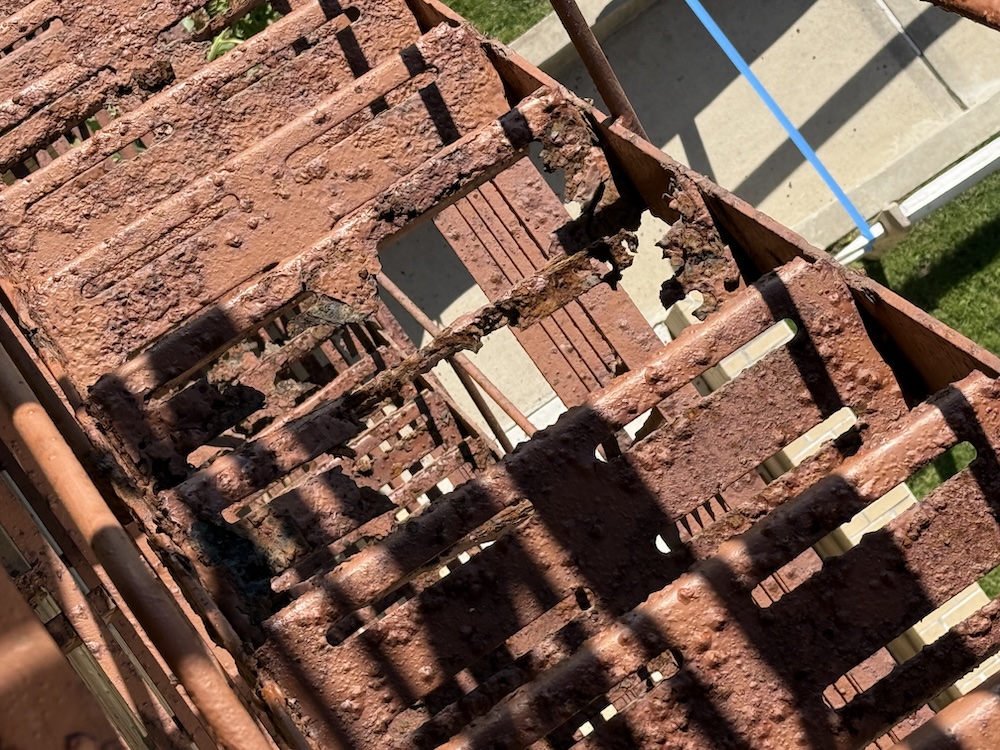
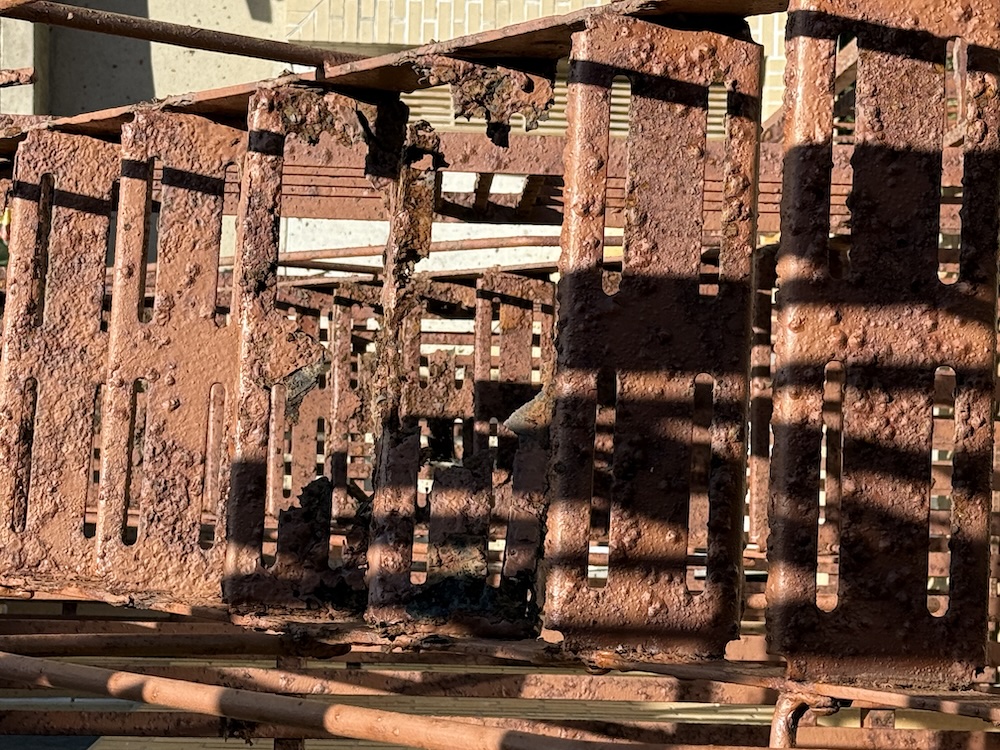
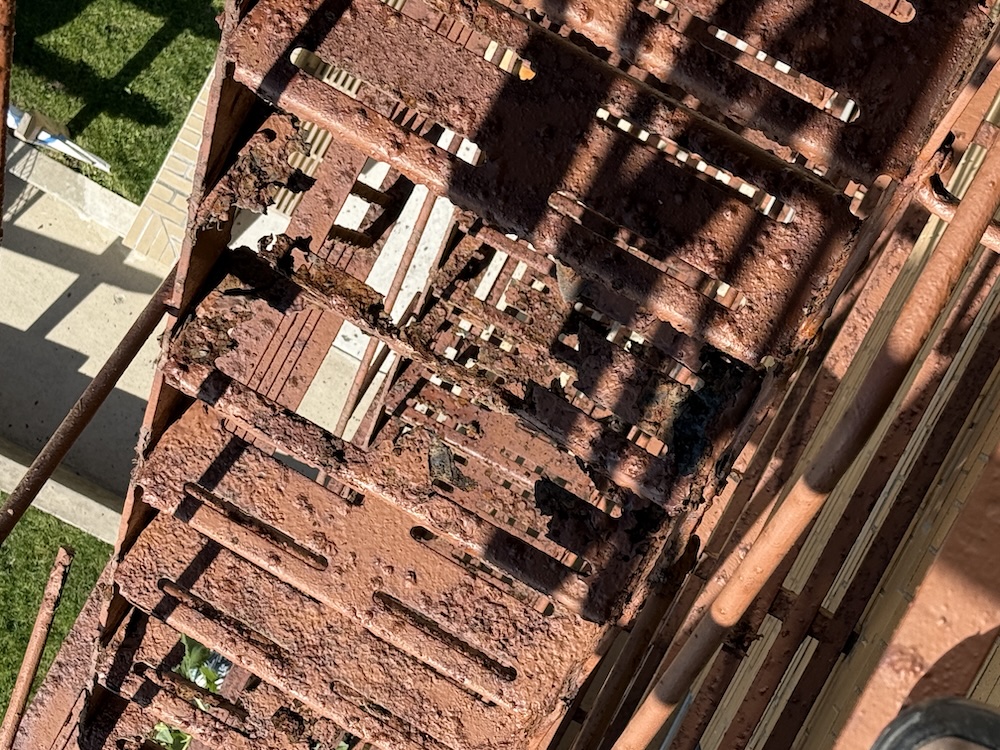
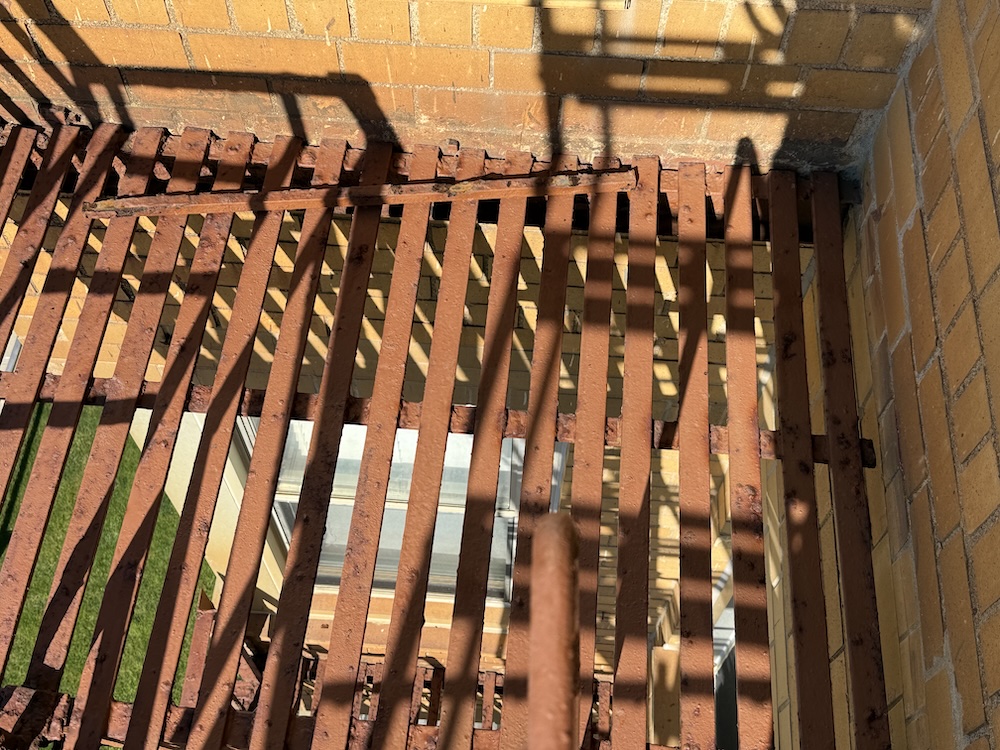
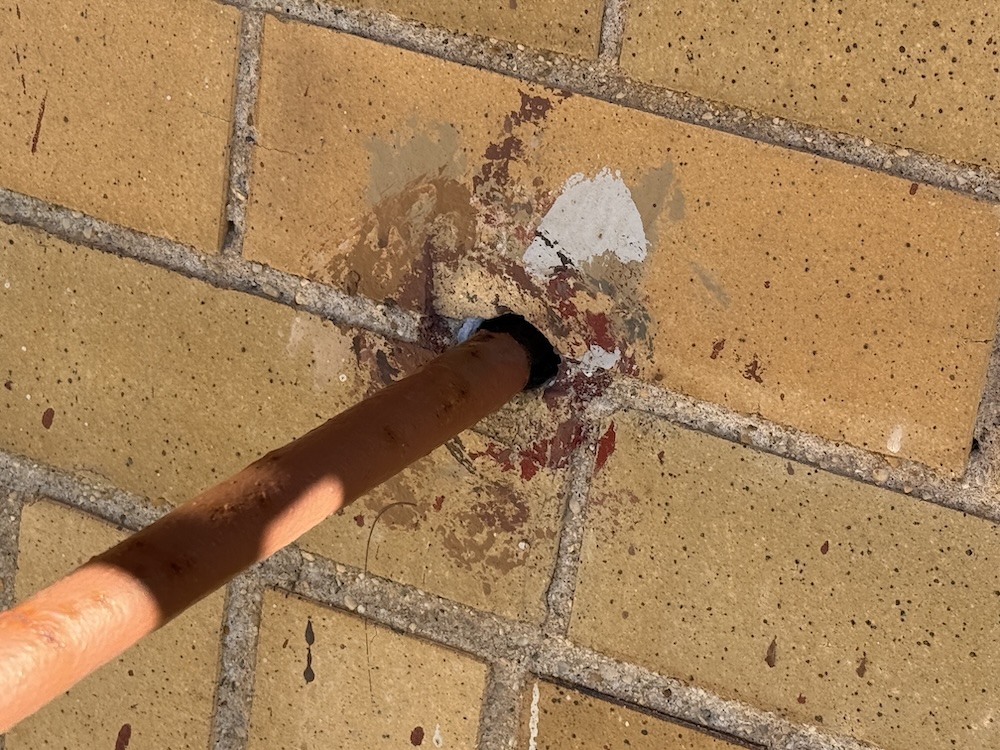

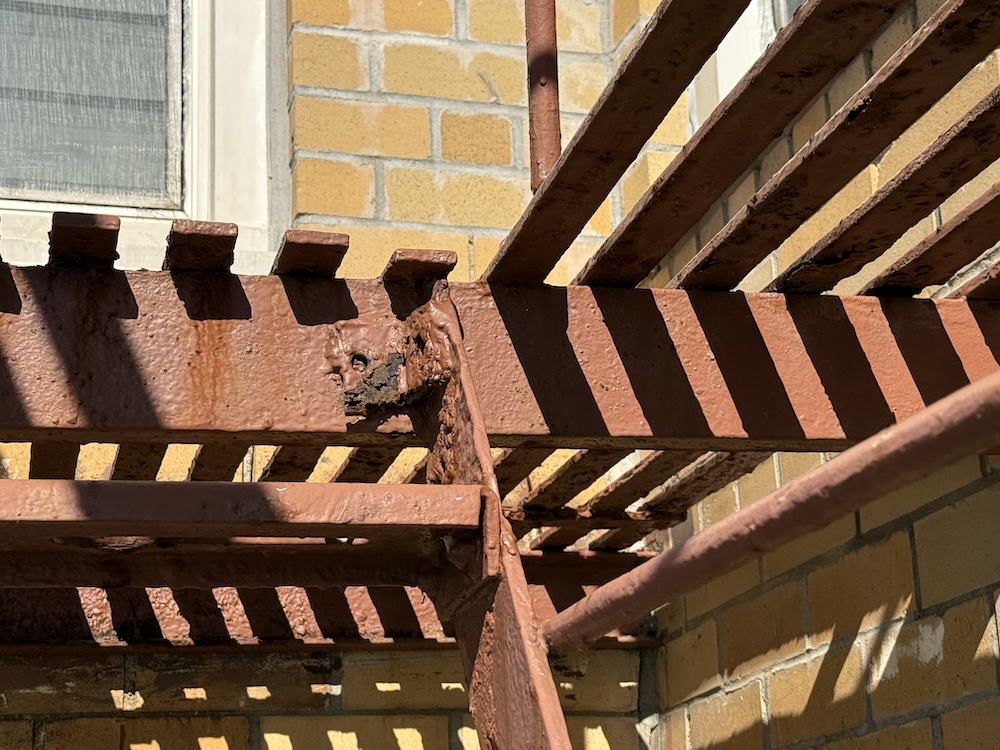
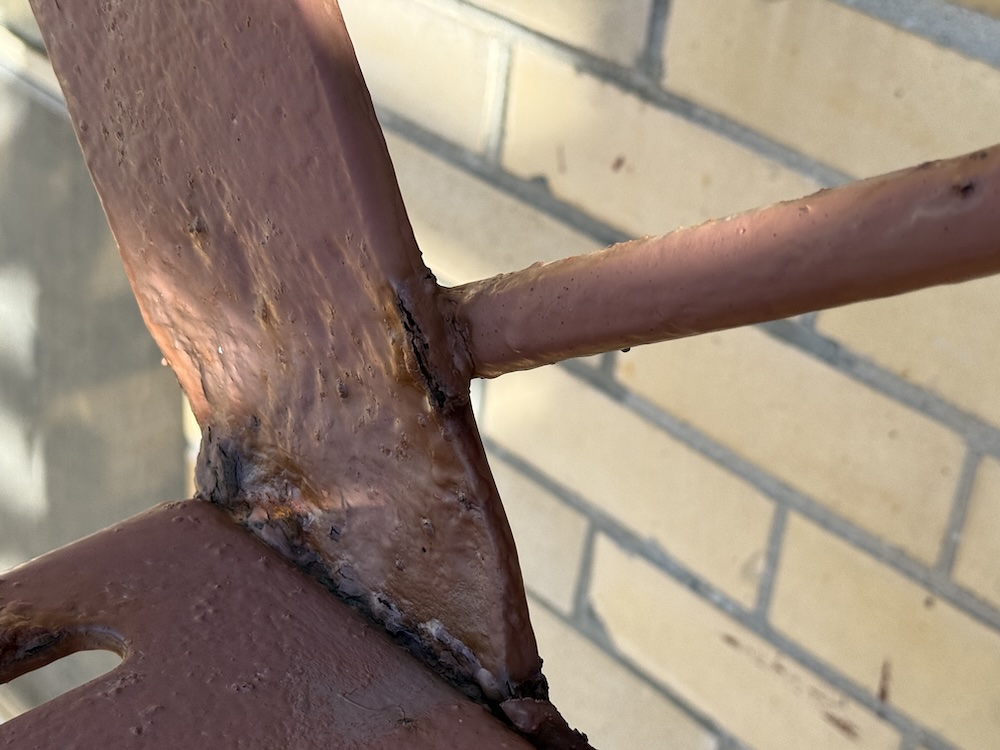
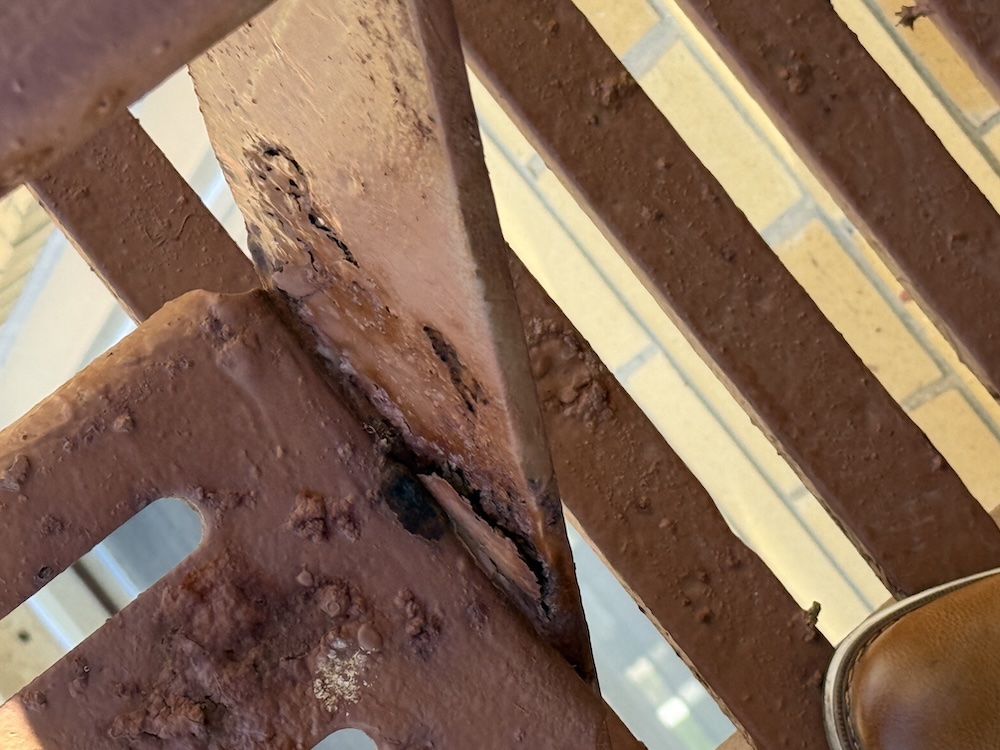
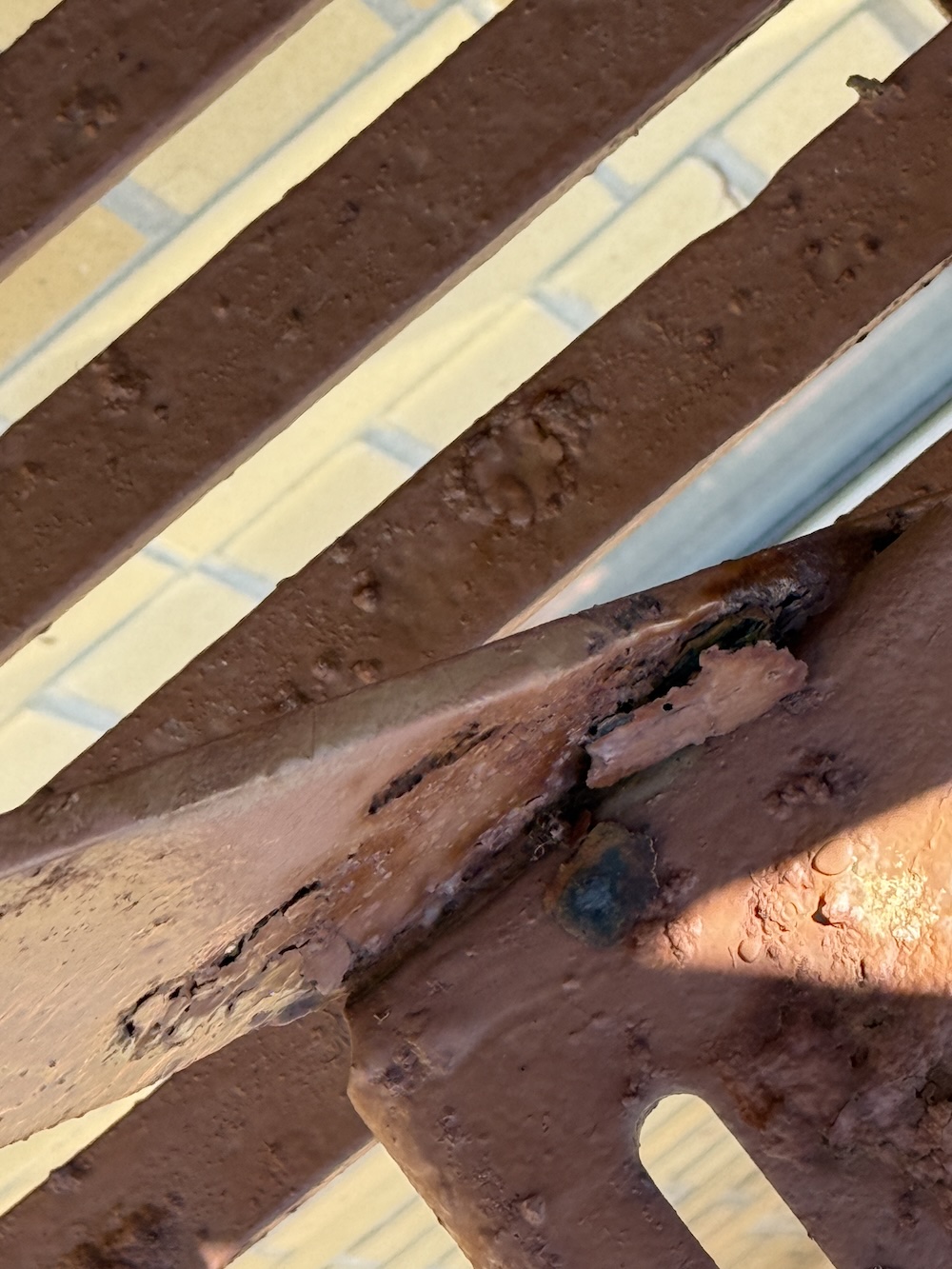
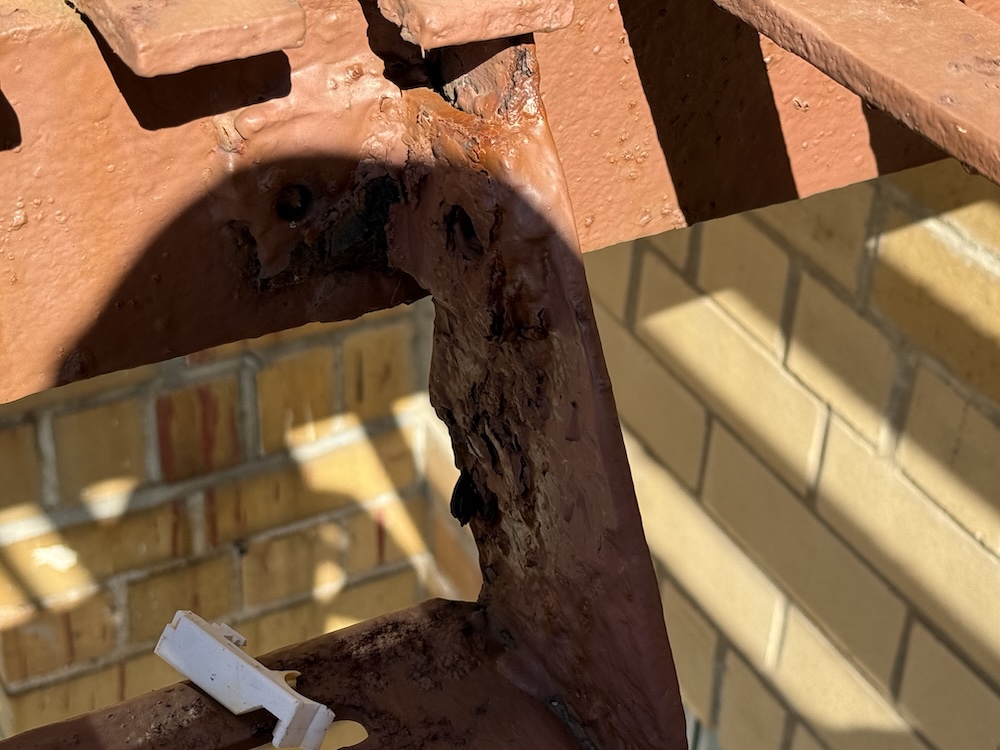
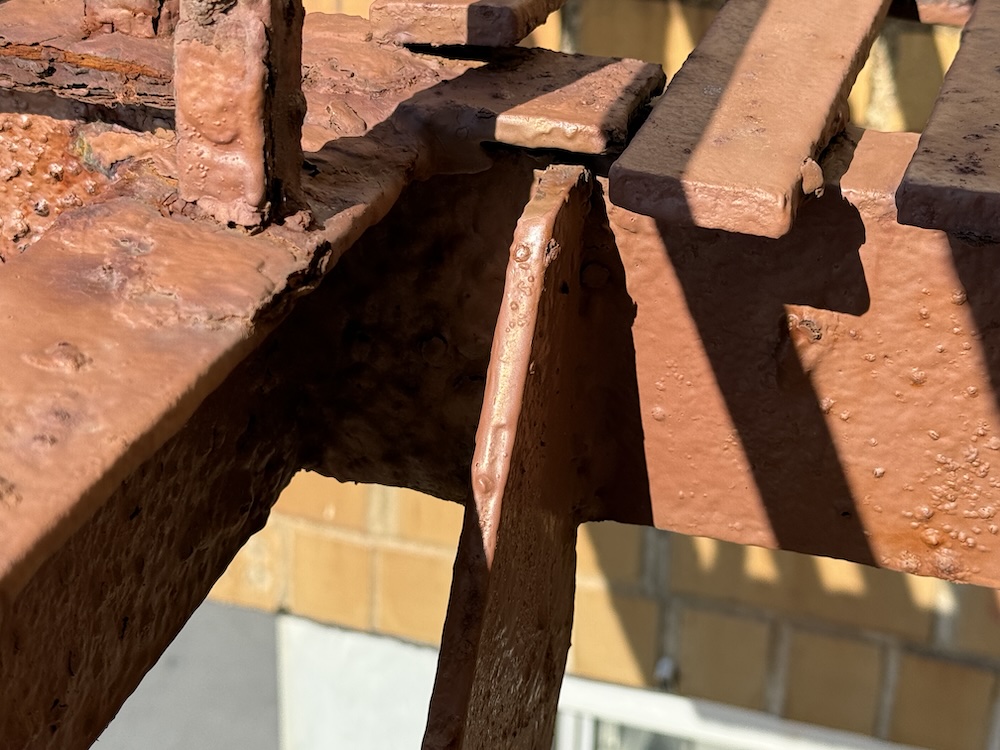
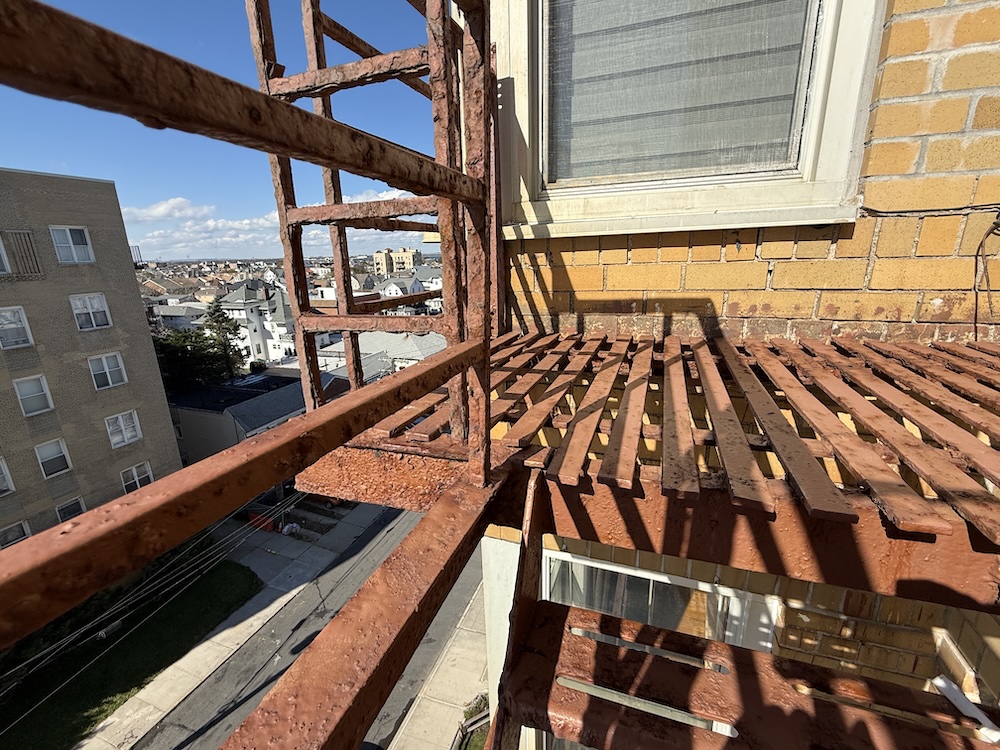
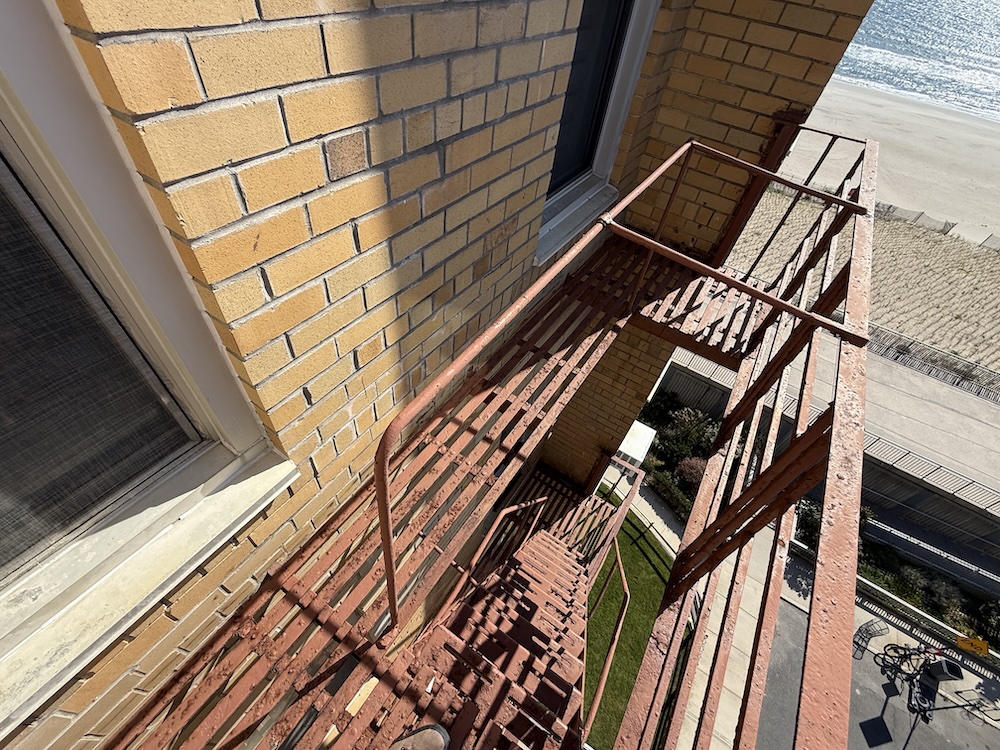
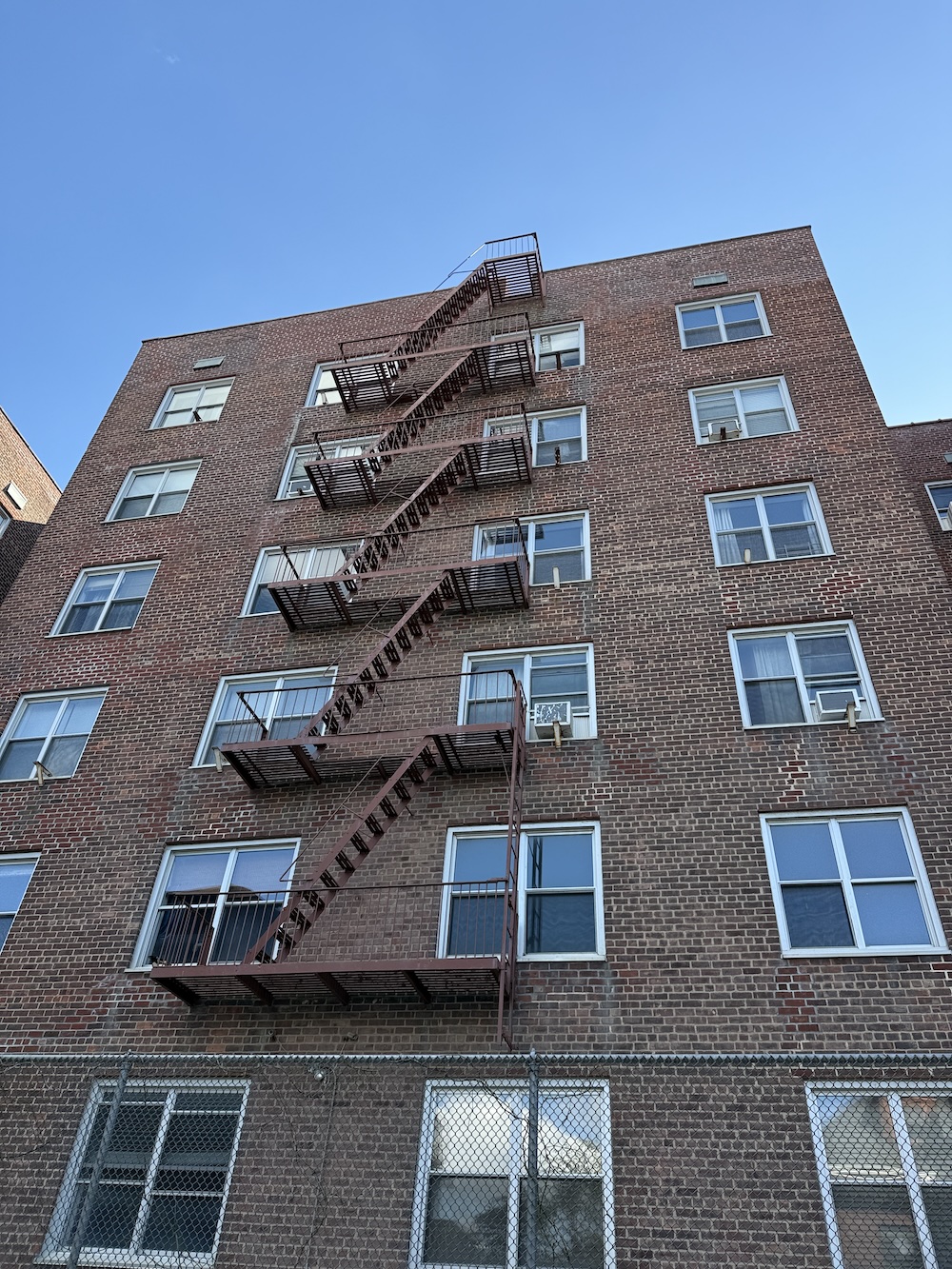
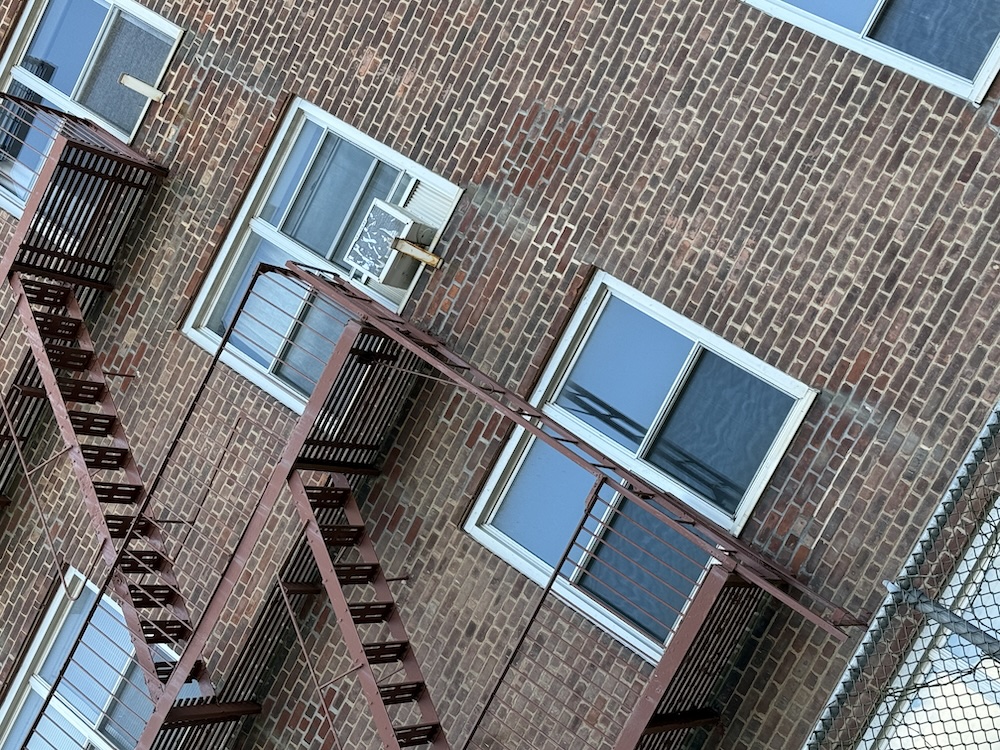
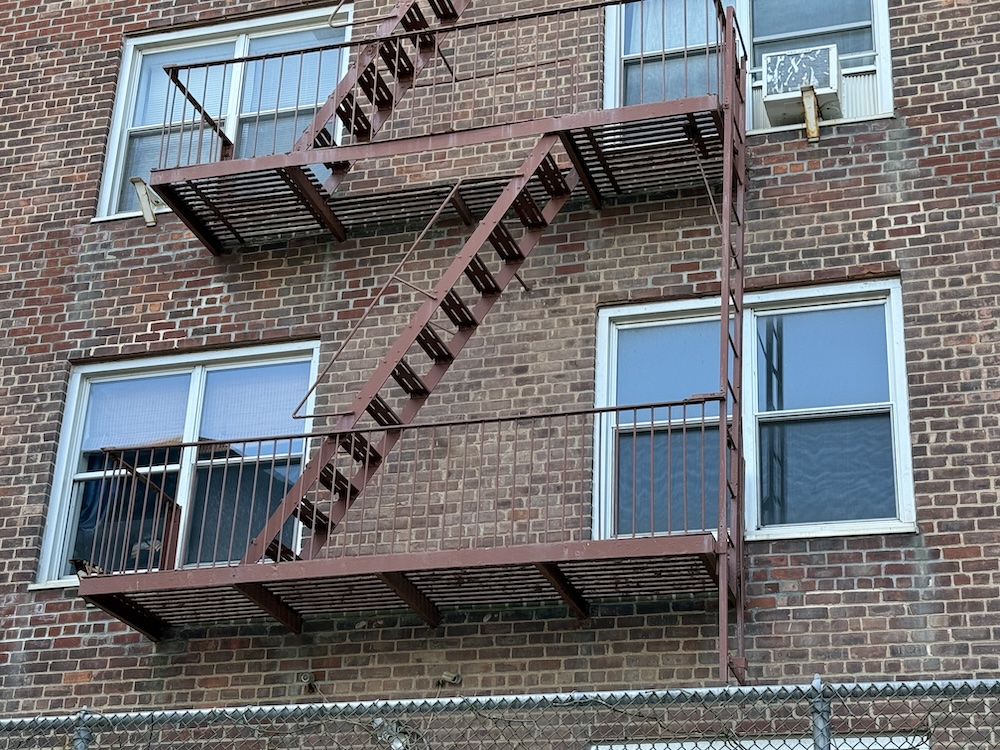
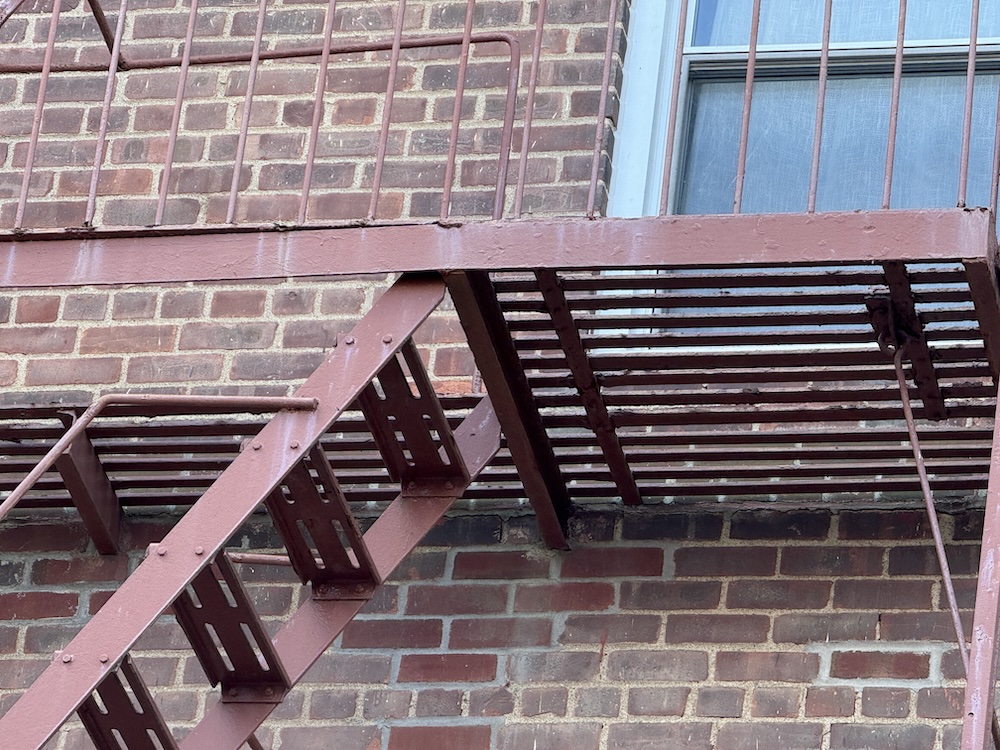
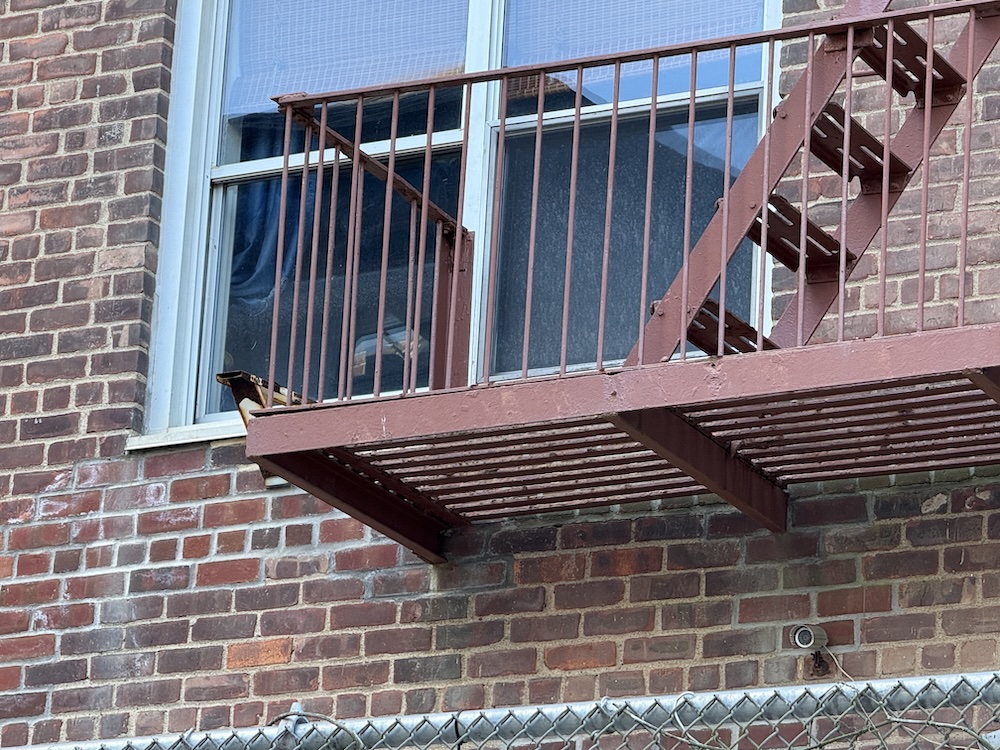
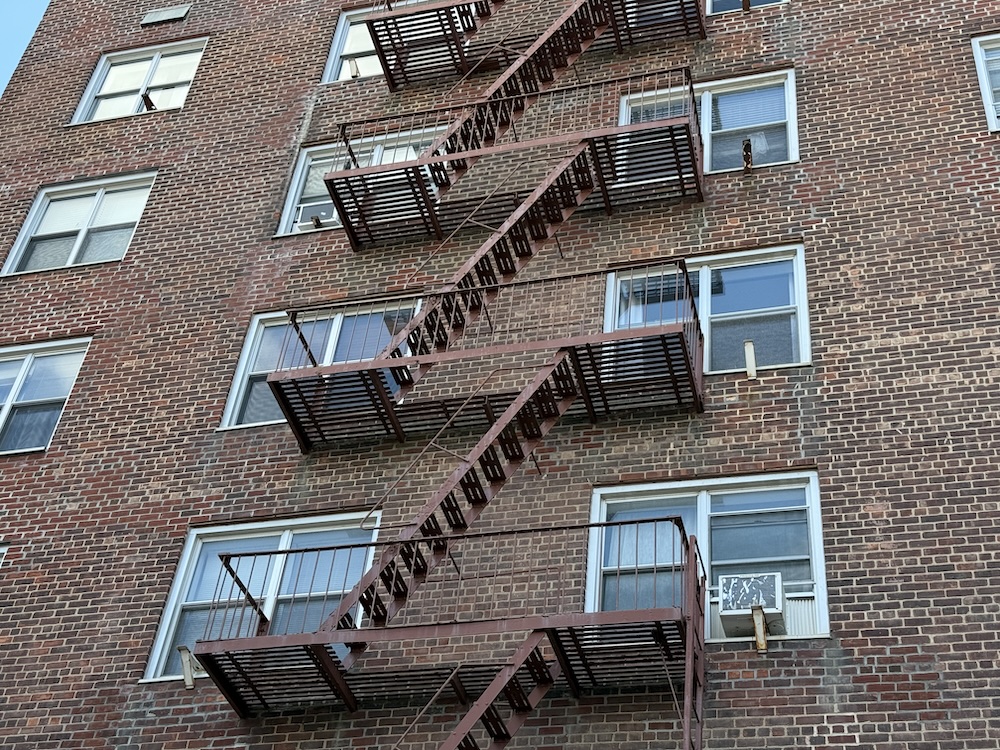


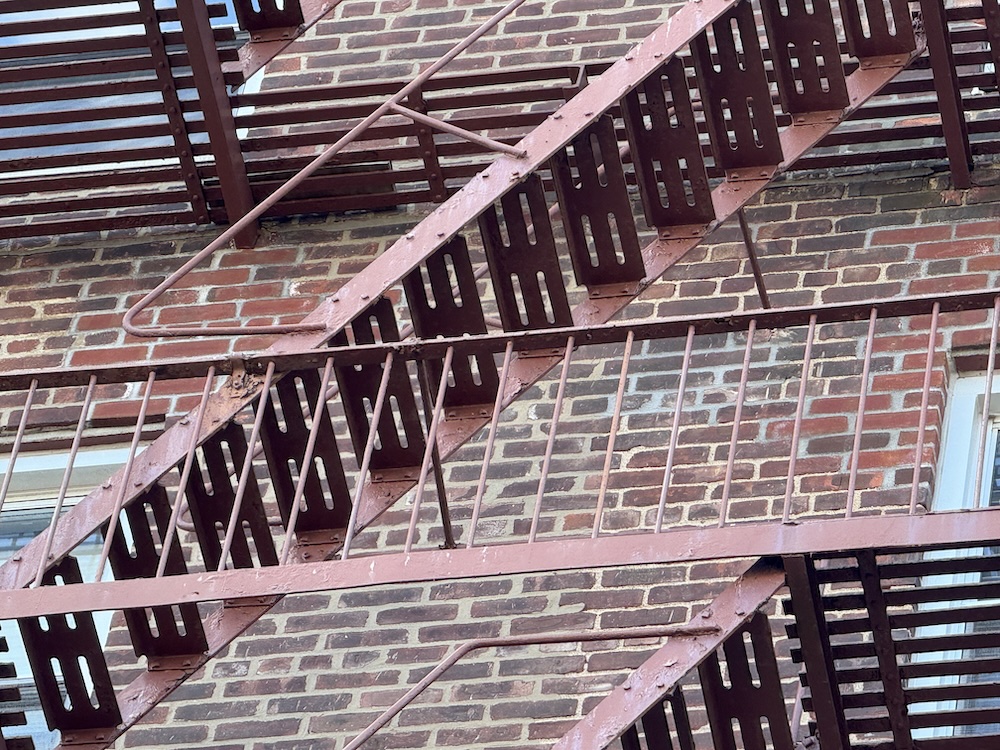

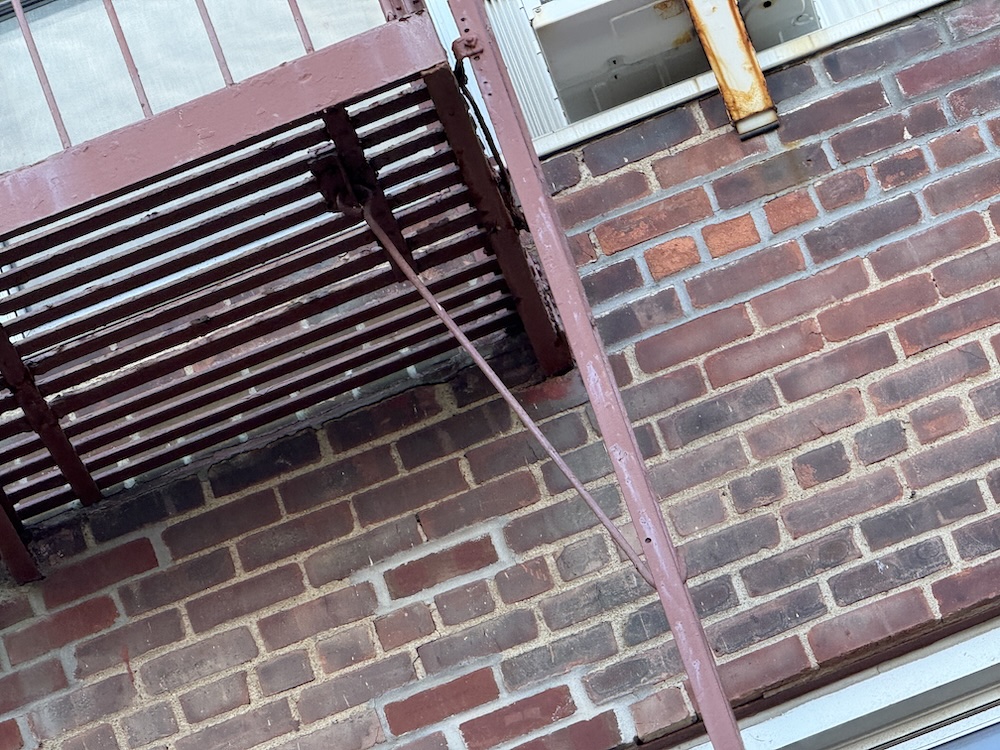
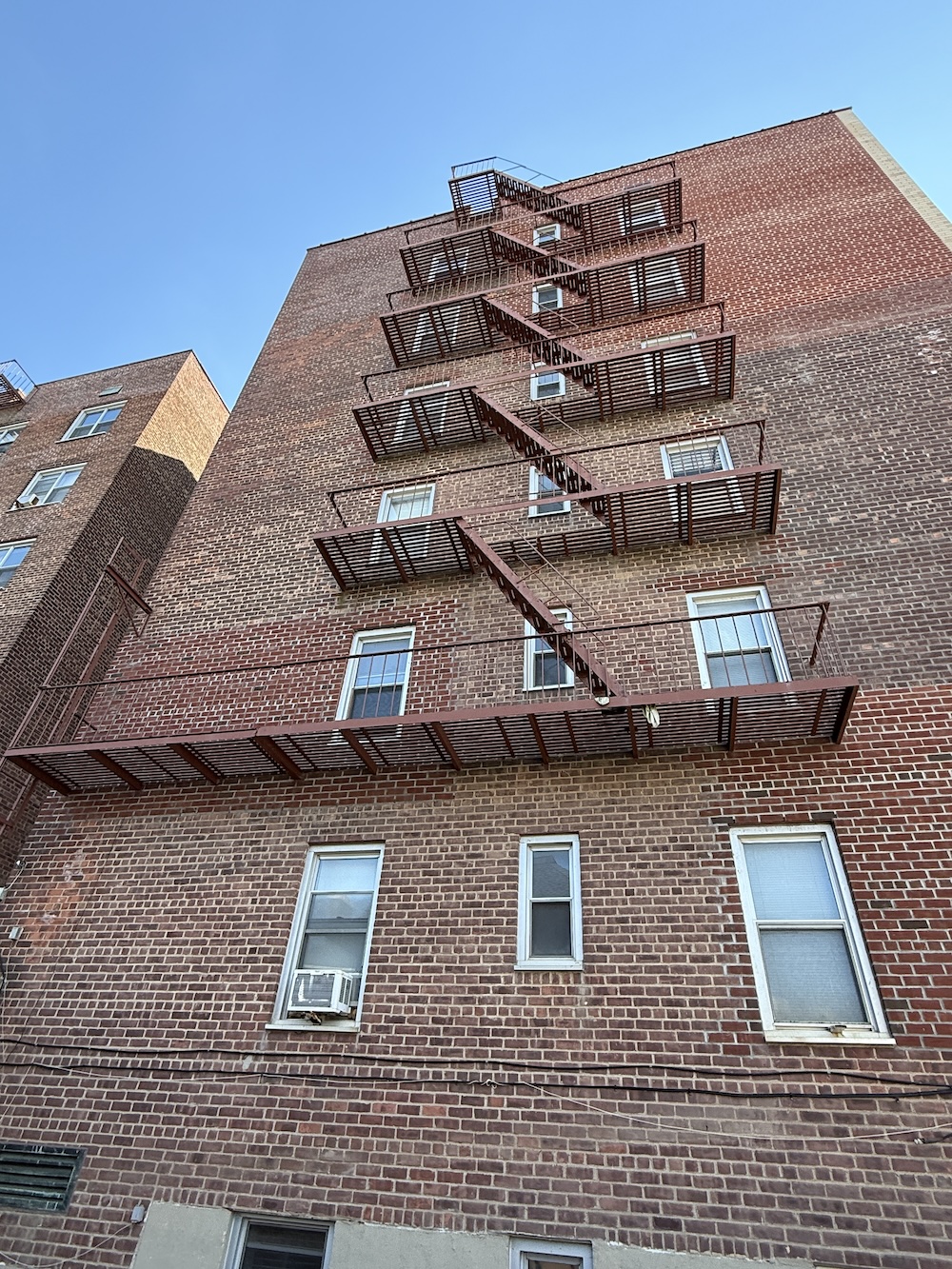

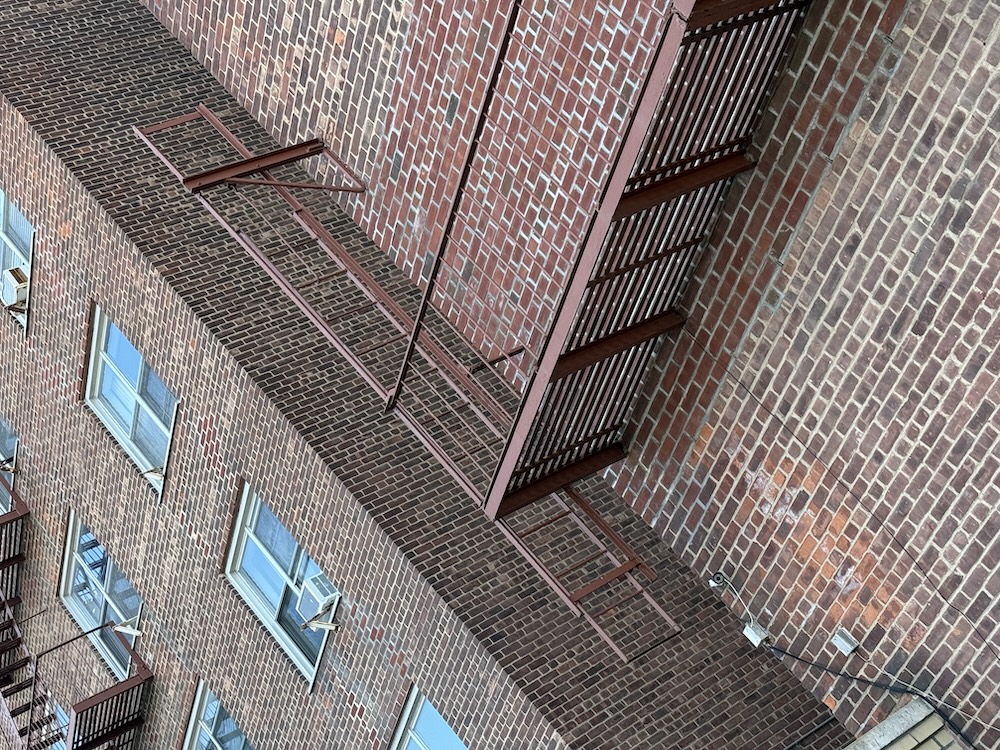
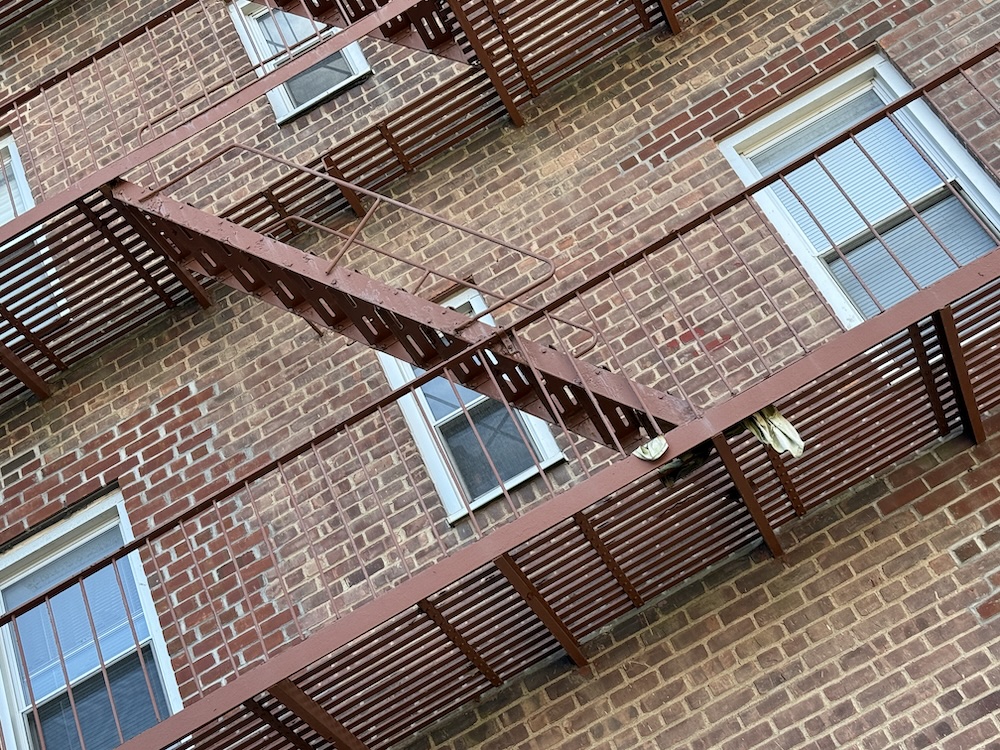

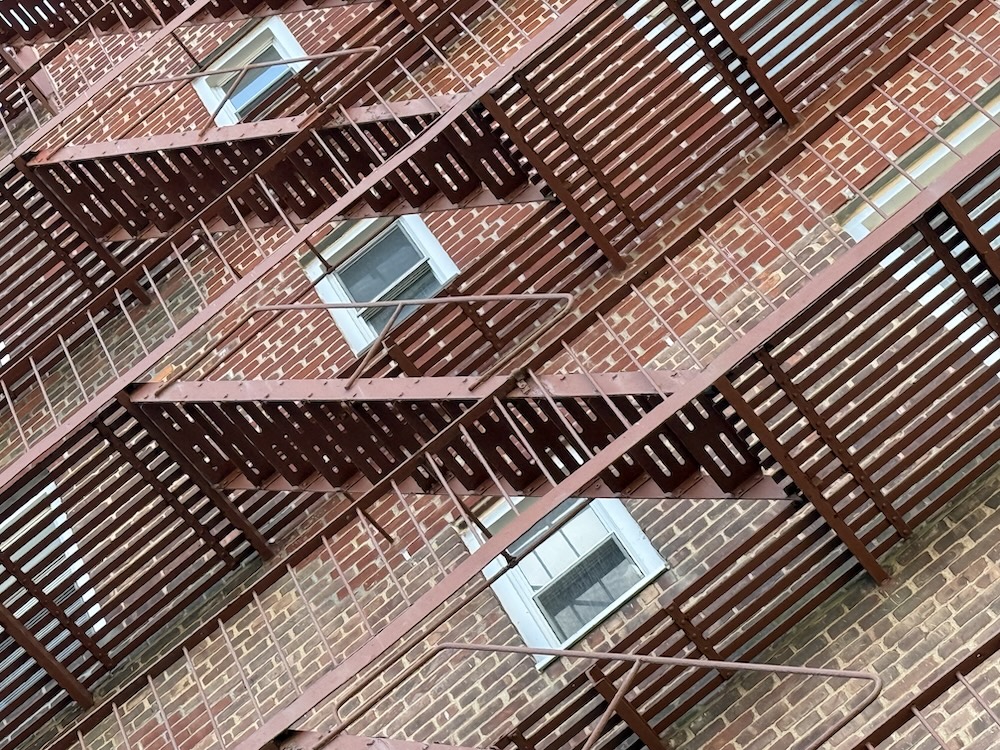
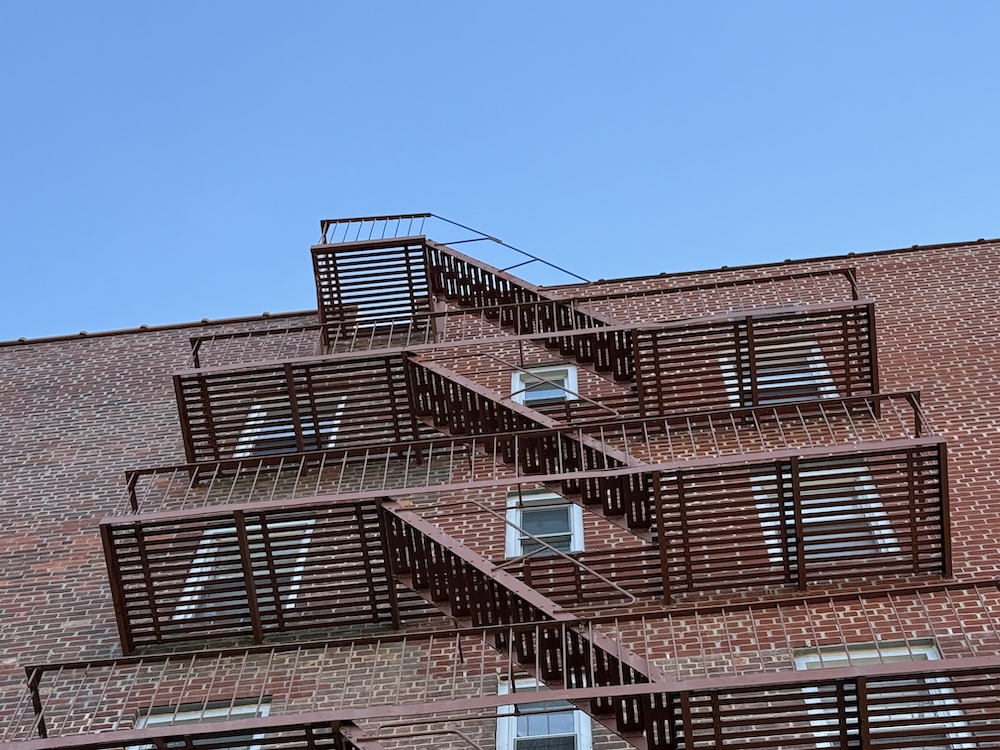
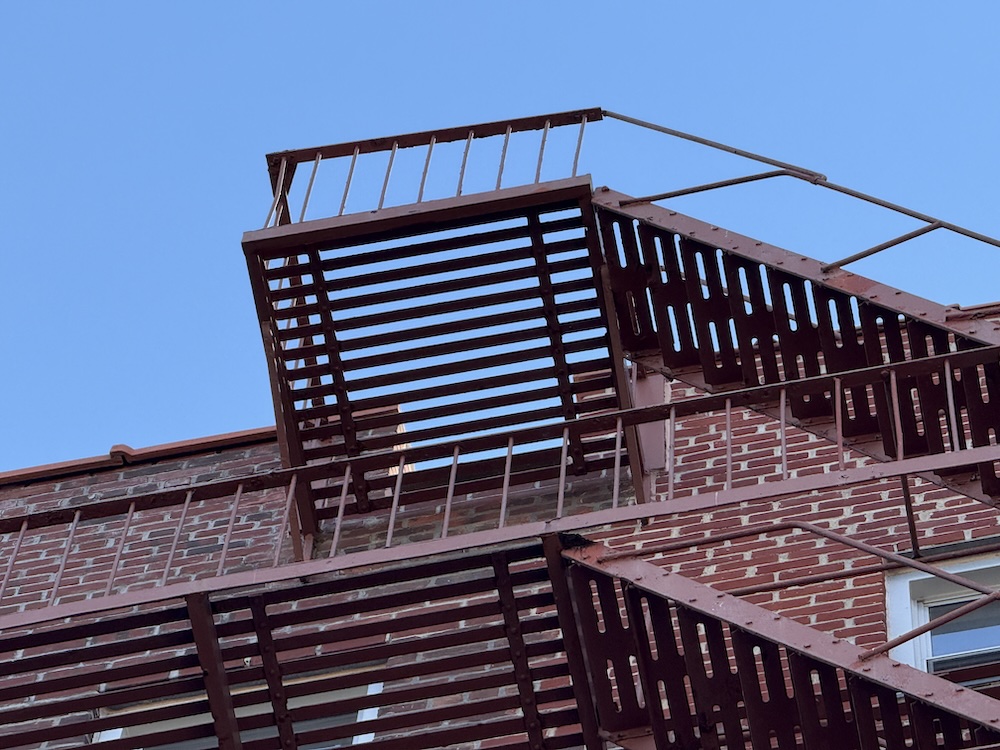


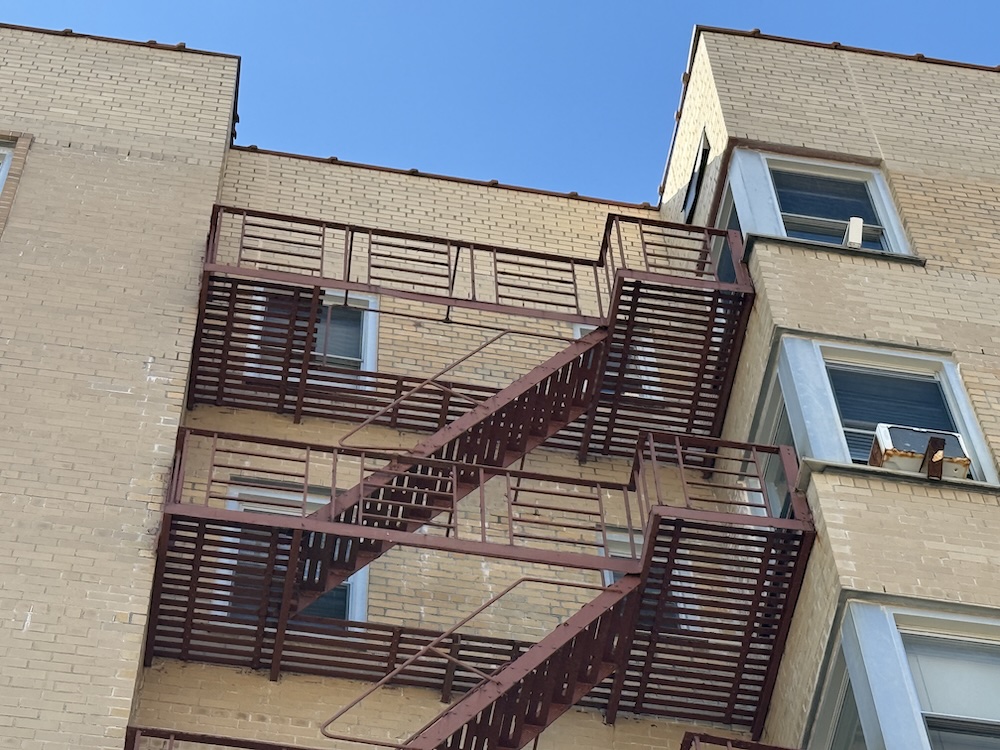
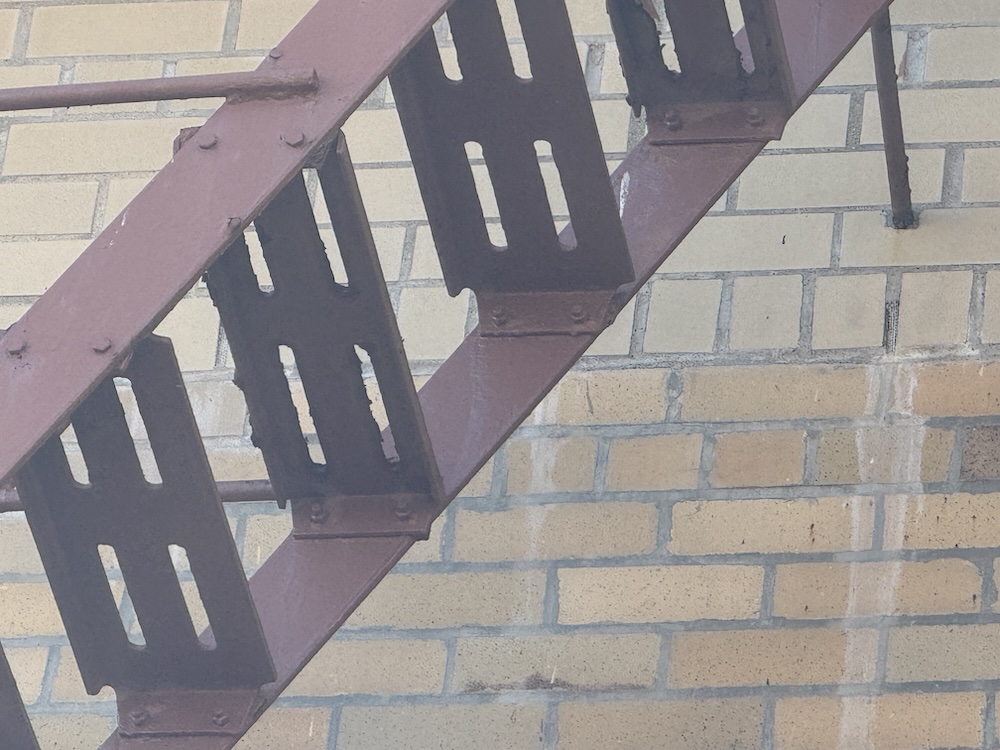
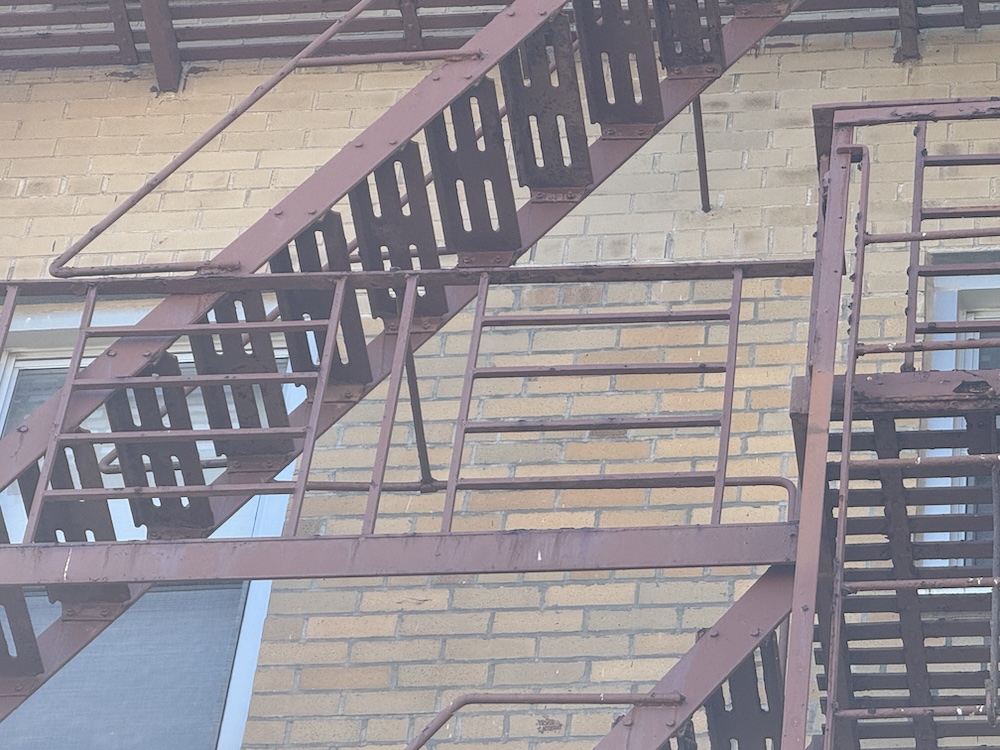
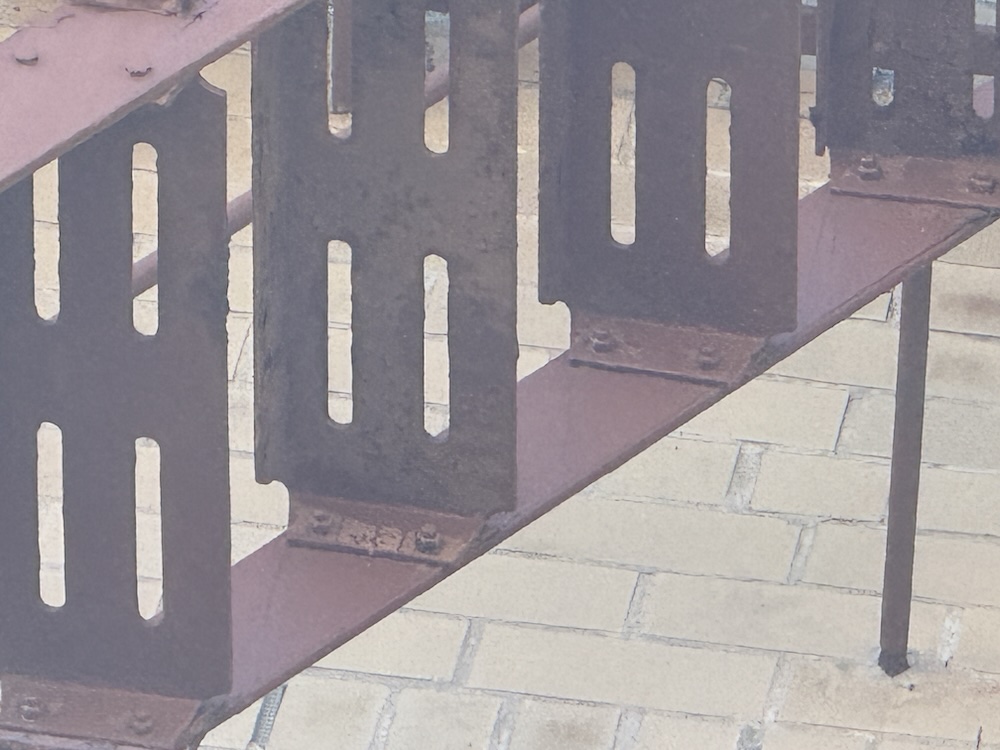
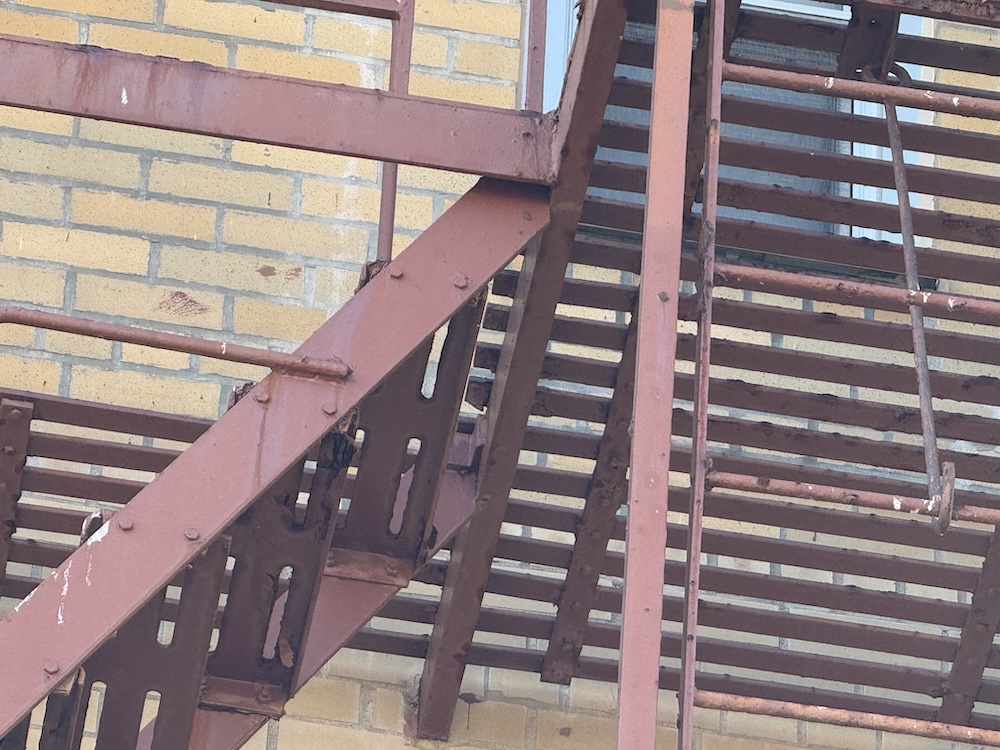
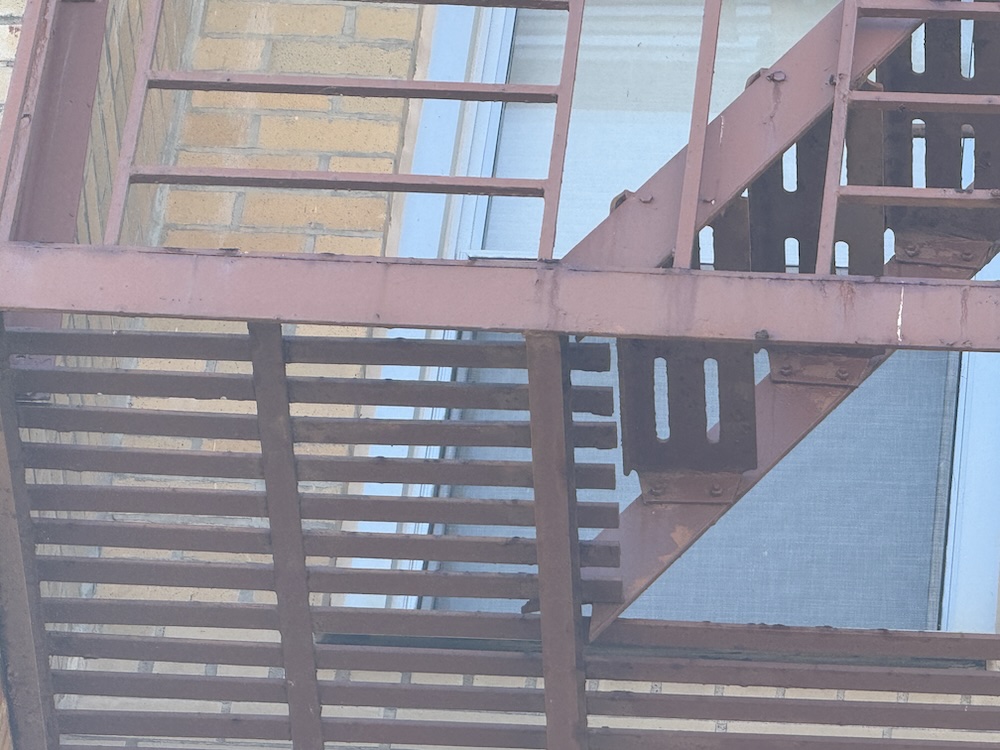
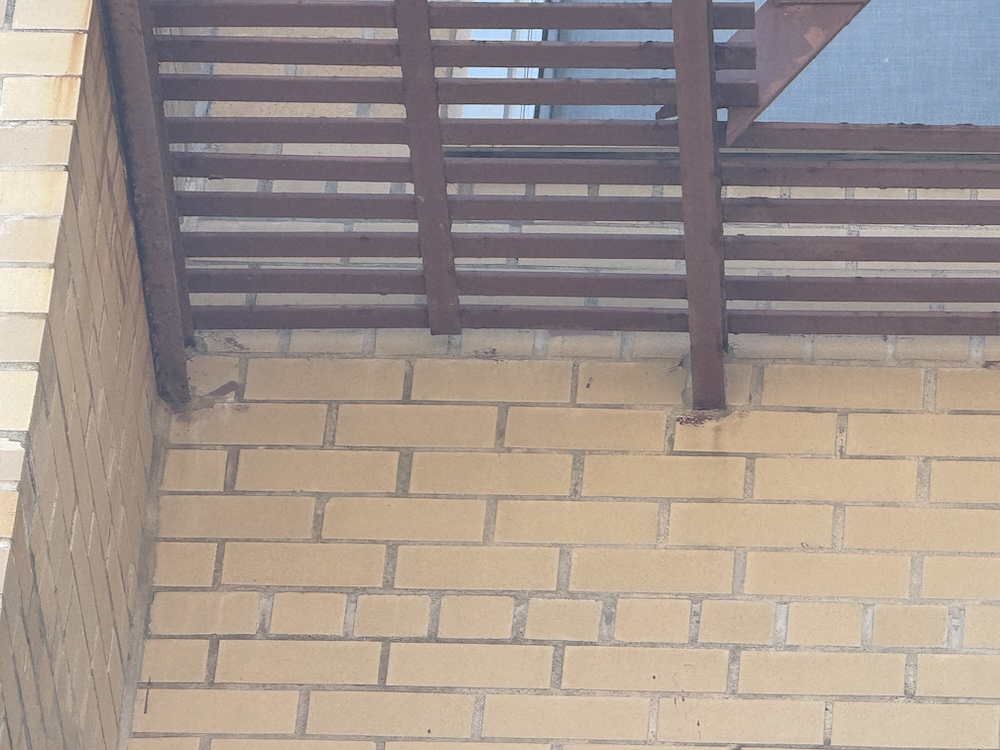
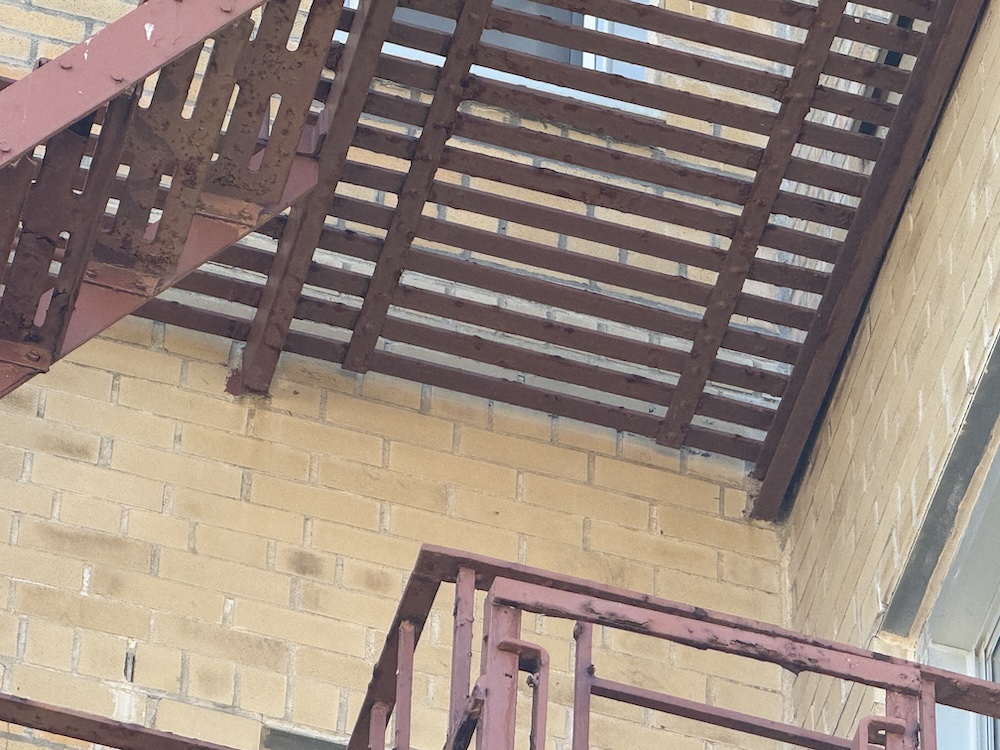
Please let us know whether you intend to proceed as a Do-It-Yourself (DIY) client or if you would like to engage our team under the Vendor Management Oversight (VMO) program. Both options require coordination with your local authority (AHJ – Authority Having Jurisdiction) and thorough documentation to ensure your fire escape system meets certification standards.
If you plan to manage your own vendors and documentation, you are responsible for complying with all applicable fire, building, and EPA regulations. The following steps must be followed:
1. Notify the City Official
Contact your local Fire Marshal or Building Department and:
Inform them you’ve engaged a design professional (engineer, architect, or other acceptable party) to inspect and evaluate the fire escape.
Request clarification on:
Whether they treat missing lights as a pre-existing, nonconforming condition, or if full egress illumination is required.
Whether permits are needed for restoration/repairs based on the findings.
Whether they wish to witness the inspection.
2. Inspection & Documentation
Hire a licensed engineer, architect, or other AHJ-approved fire escape inspector.
Vendors must conduct a full-system walkthrough, accessing every platform, tread, and connection.
All deficiencies must be documented and a repair scope submitted to the owner and AHJ.
3. Scope Review & Permitting
A design professional must review the repair scope and determine whether permits are required by the AHJ.
4. Designate a Responsible Party
Notify the city who will supervise the repair process, ensuring work is performed in accordance with the approved scope (with or without permits).
5. Repair Restrictions (Lead Paint & EPA Compliance)
Welding is strictly prohibited on fire escapes built before 1978.
No field welding is permitted under any circumstances.
Repairs must be bolted or shop welded and field-bolted.
Violations may result in EPA fines exceeding $37,500.
If you prefer a fully managed solution, our Vendor Management Oversight (VMO) program provides professional oversight, technical guidance, and final certification support.
Initial Evaluation Report & Photo-Video-Technical Repair Report
One-page summary indicating Pass, Fail, or Imminent Danger
Includes ground or physical findings, photos, and optional video
AHJ Communication & Coordination
We notify the city and clarify inspection witness needs, lighting requirements, and permit conditions
Daily Vendor Oversight
We review daily photos/videos from your vendor
Ensure repairs follow approved methods and meet IFC and IBC codes
Prevents illegal welding; ensures proper bolting and documentation
Inspection Video Summary
Narrated walkthrough highlighting deficiencies and identifying components ready for load testing
Final Report & Certification
25-point confidence checklist with repair recommendations/requirements
Photographs and final walkthrough video by our inspector
Certification issued via Load Test or Other Evidence of Strength
Password-Protected Webpage
Central hub for documentation such as: inspection report, inspection video(s), inspection photos
Easily shareable with AHJ, owner, property managers, and agents
Following this initial inspection, the property owner has the option to either proceed as a Do-It-Yourself (DIY) client—managing their own outreach to local vendors—or enroll in our Vendor Management Oversight (VMO) or Project Management Oversight (PMO) programs, where we coordinate the process on your behalf. Regardless of your selection, all projects remain eligible for RFP distribution.
For DIY clients, it's your responsibility to invite vendors to the property and provide access so they can walk through the fire escape system and prepare their own scope and quote. (We can provide additional information to your repair vendor at additional cost.)
Most vendors only provide 1 year warranty on work performed.
For clients utilizing our VMO/PMO service, we simplify this process by issuing a detailed RFP package to our pre-screened vendor network. These vendors review our inspection photos, summary findings, and any available site data—allowing them to submit accurate preliminary bids without needing to visit the site, unless shortlisted. This minimizes disruptions and ensures that only cost-aligned, code-qualified bids move forward.
We provide a 15-25 year warranty on all work performed.
25 year warranty provided with Corrosion Protection Plan.
Network partners / repair mechanics: 5-15 year warranties under VMO/PMO.
If recent structural bolting has been completed, a partial/integrated load test may apply.
Otherwise, a full load test is required unless waived by other evidence of strength (as determined by a design professional or others acceptable to the AHJ).
If the fire escape is scheduled for removal or replacement within 5 years, a temporary 5-year certification may be available, but still requires load testing
Load testing is the only way to fully remove liability from you, your insurance carrier, and the city. Here’s why:
• Opinion affidavits come with disclaimers that cities often won’t sign off on — and insurance companies won’t want you to sign either, because it puts all the legal risk on them (and you).
• Load testing is definitive: it proves your 75–125+ year-old fire escape can handle emergency use — no guesswork, no disclaimers.
• It’s 100% code-compliant, certified, and good for up to 5–25 years depending on the city and scope.
• It also protects your tenants and your building’s value — like testing a sprinkler system or elevator.
Bottom line: Load testing clears your liability, satisfies the city, and keeps your insurance coverage secure.
Need critical fire escape repairs, inspections, or certifications—but want to spread out the cost? Our Fire Escape Financing program offers flexible, interest-free payment plans that make safety upgrades more accessible than ever.
✅ What We Offer:
• 0% Interest Financing (3–6 months standard)
• 12-Month Interest-Free Extension for qualifying projects over $50,000
• No credit check required
• Available for inspections, repairs, drawings, load testing, and full project oversight
• Financing is available across all FESN brands and services
🏡 Who Qualifies:
• Property owner must sign the agreement
• Project must be directly managed by FESN or an approved vendor from our network
• In special cases, even client-selected vendors can participate—if they agree to our financing terms
💡 Extended Financing: Need longer than 12 months?
We also offer 1–15 year financing options (with interest) through an affiliated third-party loan provider for residential properties only.
⚠️ Important Notes:
• No warranties or certifications will be released until full payment is received
• All financing agreements include lien protections and binding arbitration clauses
• Legal homeowner signature is required to proceed
🔎 Ready to Get Started?
Whether you’re working with our team or a vendor you trust, we can help finance your fire escape project—with transparency, flexibility, and legal protection for everyone involved.
More information available upon request.
Just ask your project coordinator or contact us directly to activate Fire Escape Financing today.
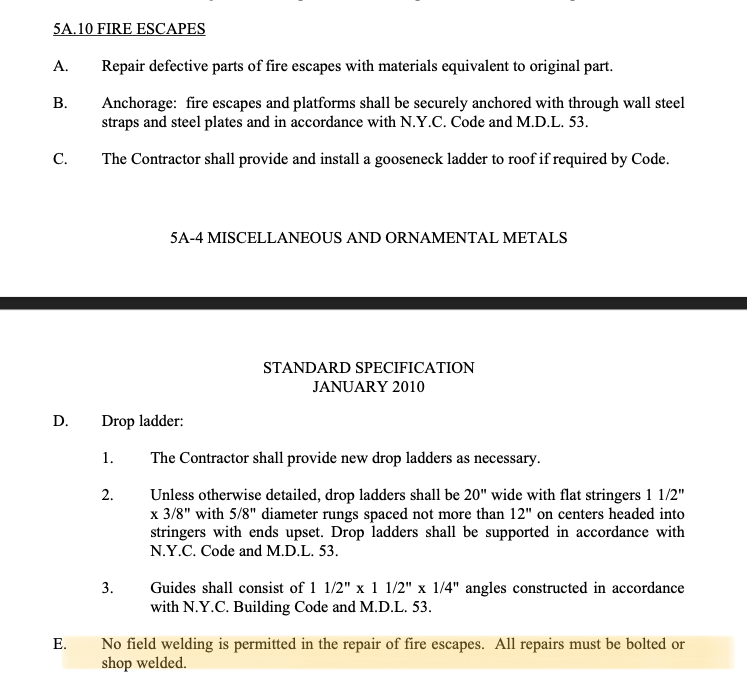
1. Structural Repair Policy: No Field Welding on Bolted or Riveted Fire Escapes
🛠️ Key Code Provision — January 2010 Standard Specification: Miscellaneous & Ornamental Metals — Fire Escapes (Section 5A.10, Paragraph E):
"NO FIELD WELDING is permitted in the repair of fire escapes. All repairs must be bolted or shop welded (then field bolted)."
• “Field welding” refers to any welding performed on-site, as opposed to factory or shop welding.
• Shop welding (completed off-site under controlled conditions) is permitted only if original design or prefabrication allows for welding.
• Bolt or rivet‑type fasteners must be replaced in kind—matching original hardware type and method.
2. EPA Lead-Based Paint Compliance (Pre‑1978 Structures)
Under the EPA Renovation, Repair and Painting (RRP) Rule, work on residential or child-occupied buildings built before 1978 often involves lead-based paint. Welding that disturbs painted surfaces is subject to strict regulation.
• Welding is effectively prohibited on such components unless:
• An EPA‑certified renovator or firm oversees the work, and
• Lead-safe work practices are fully implemented (containment, HEPA vacuums, disposable protective gear, etc.).
• Violations can result in civil penalties up to $37,500 per violation, per day for non‑compliance with EPA RRP Rule provisions regarding lead hazard disturbance.
3. Combined Table: Welding & Lead-Hazard Prohibition
Condition | Field Welding Allowed? | EPA RRP-Compliant on Pre‑1978 Structure? |
|---|---|---|
Fire escape originally fastened with bolts or rivets | No — prohibited by 2010 code | No — welding disturbs lead paint |
Shop welding precise fittings or new prefabricated parts | Yes — If performed off-site under control | Only if conducted under EPA certified RRP |
Bolt or rivet replacement / mechanical fasteners | Yes — required repair method | Yes — with lead-safe protocols |
4. Recommended Compliance Actions
1. Confirm the era of the structure—pre-1978 implies high likelihood of lead-based paint.
2. Avoid any field welding on fire escapes originally assembled with bolts or rivets.
3. Use mechanical fastening (bolts/rivets) and ensure replacement matches original methodology.
4. If welding is necessary for prefabricated components:
• Ensure welding is done in a shop setting, not on-site.
• For pre‑1978 buildings, all surface-prep and welding work must follow EPA RRP certified protocols.
5. Engage a licensed structural engineer and a certified RRP renovator or firm before undertaking repairs.
5. Legal Reference Summary
• “No field welding is permitted in the repair of fire escapes. All repairs must be bolted or shop welded (then field bolted).” — Standard Specification 5A.10 (Miscellaneous & Ornamental Metals), January 2010
• EPA RRP Rule enforcement (1978-era structures): fines up to $37,500/day per violation for unauthorized disturbance of lead-based painted surfaces.


